Sean "Diddy" Combs, the celebrated music mogul known as Puff Daddy, faced a highly publicized federal trial.
It culminated on July 2, 2025, with a split verdict. The jury acquitted him of racketeering conspiracy and sex‑trafficking charges—serious counts that had threatened to imprison him for life. However, he was convicted on two counts of transportation to engage in prostitution under the Mann Act. Sentencing is set for October 2025, and a judge has denied bail, citing evidence of violent behavior.
The legal fallout has been intense.
Although the most damaging charges were dropped, the convictions still carry harsh consequences—up to 10 years per count, potentially totaling 20 years.
Prosecutors had hoped for a minimum of about 4¼ years in prison, while the defense insisted these acts don’t reflect a criminal enterprise. Following the verdict, legal analysts commented that while the RICO-style charges fell flat, the Mann Act convictions indicated serious misconduct.
As this unfolds, a massive hysteria bursts amongst Black Americans online and victims of abuse everywhere, sparking debates across social media that reveal sharp internet bias.
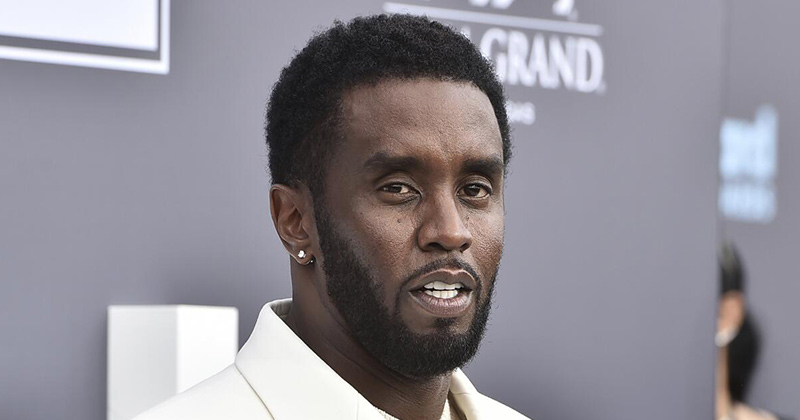
Diddy, the iconic hip-hop star and entrepreneur, became the center of one of the most sensational celebrity criminal trials of the decade.
The story began unfolding in early 2024 when federal authorities, following a lengthy investigation, raided his residences in Los Angeles, Miami, and New York. The raids uncovered a disturbing trove of materials: illegal narcotics including GHB and ketamine, unregistered firearms, surveillance equipment, and—most infamously—over a thousand bottles of baby oil and lubricants.
These were alleged to be key props in so-called “freak-off” parties, exclusive and secretive events where young women and male sex workers were allegedly drugged, coerced, and paid to perform sexual acts for Combs and his associates.
In September 2024, a federal grand jury indicted Combs on multiple charges: racketeering conspiracy, sex trafficking by force or coercion, and two counts of transporting individuals across state lines for prostitution—violations under the Mann Act.
The prosecution framed him as the orchestrator of a loosely organized but deeply exploitative criminal enterprise. Prosecutors claimed that Combs used his fame, wealth, and entourage to manipulate, isolate, and control victims, some of whom were employees, love interests, or aspiring artists under his influence.
Among the most prominent accusers was Cassie Ventura, his former partner, who described years of abuse, gaslighting, and being subjected to the infamous parties under the threat of violence.
The trial began in May 2025 in Manhattan federal court and spanned nearly two months.
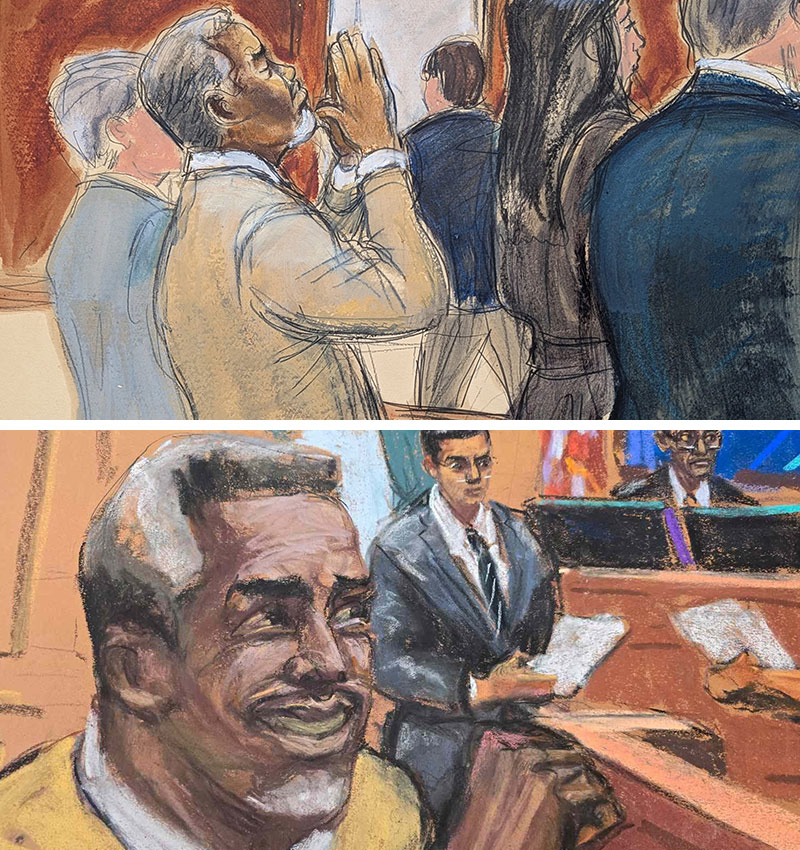
At the time, prosecutors brought forward 34 witnesses, including former employees, party attendees, hotel staff, and even celebrities like Kid Cudi and Dawn Richard.
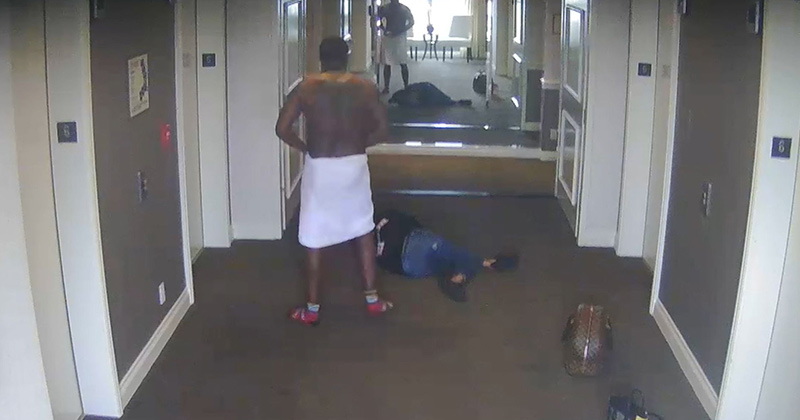
They painted a disturbing picture of power and excess, often centered around rooms stocked with sex toys, industrial supplies of baby oil, and security teams trained to silence or intimidate. The prosecution argued that Combs's private parties were not just wild celebrity get-togethers, but highly coordinated events with coercive sexual elements.
Several women, protected under alias or victim anonymity, testified about being lured in, drugged, and manipulated, unable to leave without consequences.
Combs’s defense team worked to dismantle the image of criminal conspiracy.
They did not deny the debauched nature of many events—acknowledging excessive partying and substance use—but insisted that everything was consensual. They argued that the government had overreached in trying to turn toxic personal relationships into federal crimes.
A key piece of their strategy was highlighting inconsistencies in accuser testimony and pointing out messages and statements suggesting voluntary participation.
They also argued that the state failed to prove Combs derived any business-related profit from these alleged acts, undermining the racketeering charge.
On July 2, 2025, after three days of jury deliberation, the verdict was delivered.
Combs was acquitted of the most severe charges—racketeering and sex trafficking—relieving him from the threat of a life sentence. However, the jury found him guilty on two counts of transporting individuals across state lines for the purpose of prostitution. This split verdict meant that while he escaped the harshest penalties.
His legal team requested bail pending sentencing, but the judge denied it, citing the severity of the allegations and his history of violence.
Public reaction exploded within minutes of the verdict.
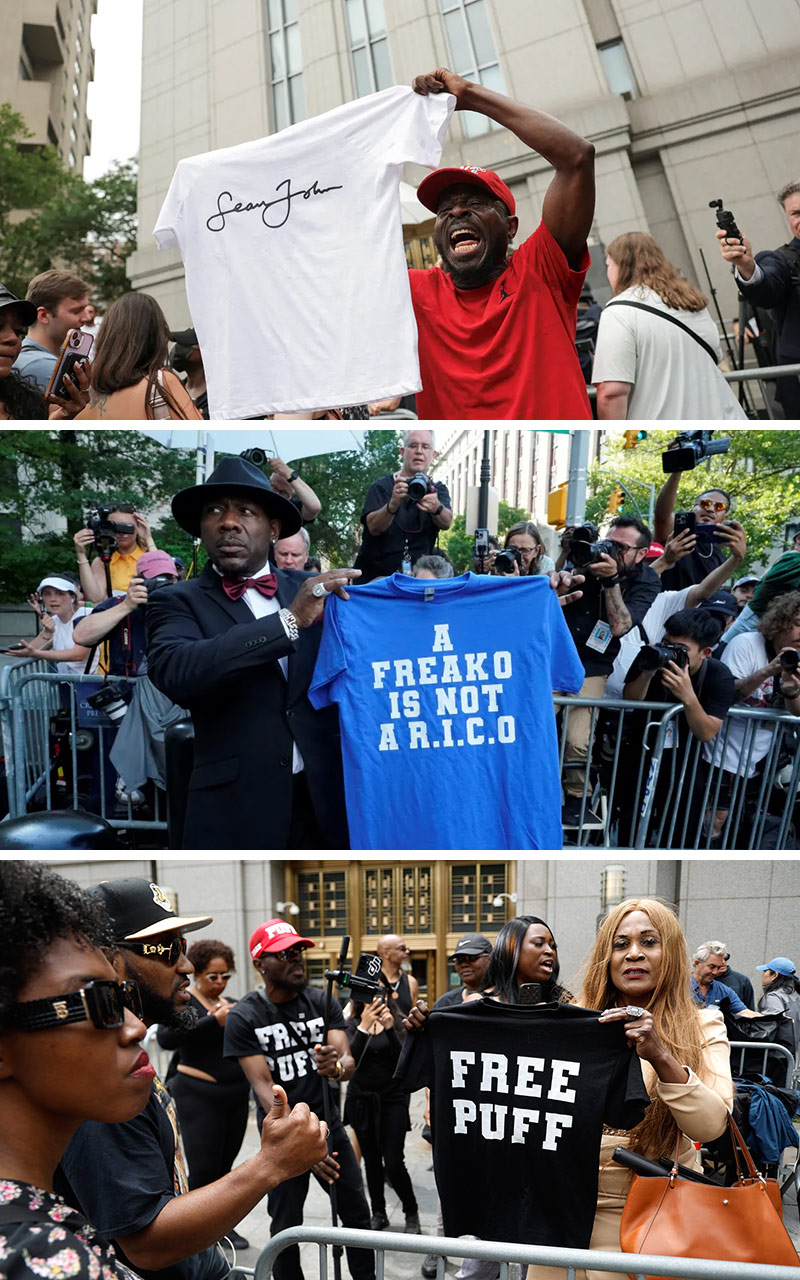
Outside the courthouse, crowds of fans, supporters, and protesters gathered.
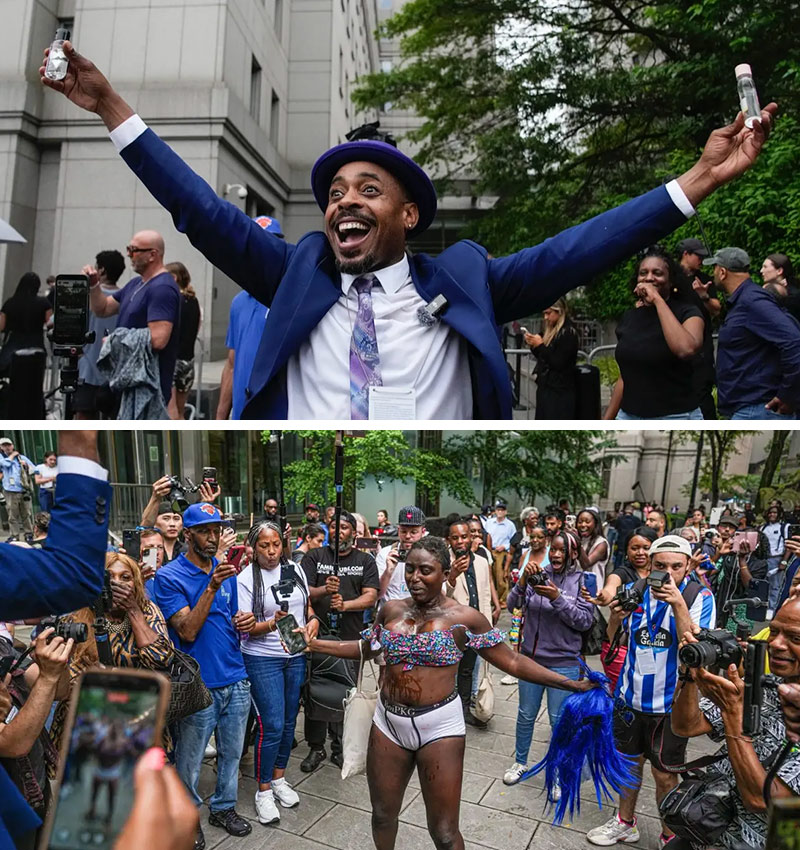
Some celebrated his acquittal, blasting his music and chanting “Free Puff,” playing his music, and dutifully repeating, “The jury did the right thing.” In one surreal twist, supporters staged a spectacle by dousing themselves in baby oil, squirting the slippery liquid to each other, echoing the now-infamous details of the trial.
Others condemned the outcome, calling it another example of celebrity privilege shielding the powerful from full accountability.
With videos of these celebrations quickly went viral, sparking debates across social media about the line between satire and enabling abuse culture, critics and advocacy groups countered the outcome with outrage, including denouncing the baby‑oil rituals as demeaning, symptomatic of survivor exploitation in high-profile cases.
Legal experts and survivor advocates also weighed in.
Many expressed frustration that the sex trafficking charges did not stick, though they acknowledged the significance of the Mann Act convictions. Others questioned the jury’s reasoning, accusing the defense of manipulating survivor credibility through classic tactics: discrediting, shaming, and reframing abuse as consensual indulgence.
On the other hand, defenders of the verdict insisted that justice was served through the evidence, and that moral outrage shouldn't cloud due process.
The internet has predictably polarized.
Some celebrities and influencers have blasted the verdict as a triumph of privilege and lax justice, while others have rallied around Diddy, claiming survivors had no real voice. A lot of other influencers have raked in a lot of new followers, and also money, by covering the case.
Observers note how the sensational visuals—baby‑oil drenched bodies, cheering crowds—fed into viral memes and hashtags, amplifying both support and disgust in equal measure.
This case exposes the uncanny intersection of celebrity, justice, and internet culture.
When a multimillion‑dollar star is involved, even courtroom outcomes are transformed into pop‑culture theatre.
The baby‑oil phenomenon—at once comedic, erotic, grotesque—illuminates people's collective fascination with spectacle. It also reflects a deeper bias: a willingness to celebrate redemption with abandon or condemn survivors with silence.
Although the collapse of the RICO charges preserved much of Combs’s wealth, the toll on his reputation is undeniable.
His empire—stretching across music, fashion, and television—continues to function, but the brand built on his larger-than-life persona has been deeply tarnished.
Regardless of whether he walks away with a shorter sentence or faces the full weight of the court's judgment, the Combs case has cemented itself as a symbol of how celebrity, power, and justice clash in an era dominated by viral outrage and public spectacle.






















































































































































































































































































