A joint investigation by The Guardian (link), +972 Magazine (link), and a Hebrew-language online magazine Local Call (link) revealed a significant collaboration between Microsoft and Israel's military intelligence unit, called the Unit 8200.
Unit 8200, the elite signals intelligence (SIGINT) and cyber unit of the Israeli Defense Forces (IDF), is often compared to the U.S. National Security Agency (NSA). It specializes in intercepting electronic communications, conducting cyber operations, analyzing vast amounts of data, and developing advanced surveillance and cybersecurity tools.
While credited with sophisticated intelligence capabilities, Unit 8200 has also been controversial, particularly for its surveillance of Palestinians and alleged involvement in offensive cyber operations abroad.
And here, Unit 8200 is found utilizing Microsoft's Azure cloud platform to store and analyze vast amounts of intercepted Palestinian phone calls. This operation reportedly involves the collection of millions of calls daily from Gaza and the West Bank, raising serious concerns about privacy and human rights.
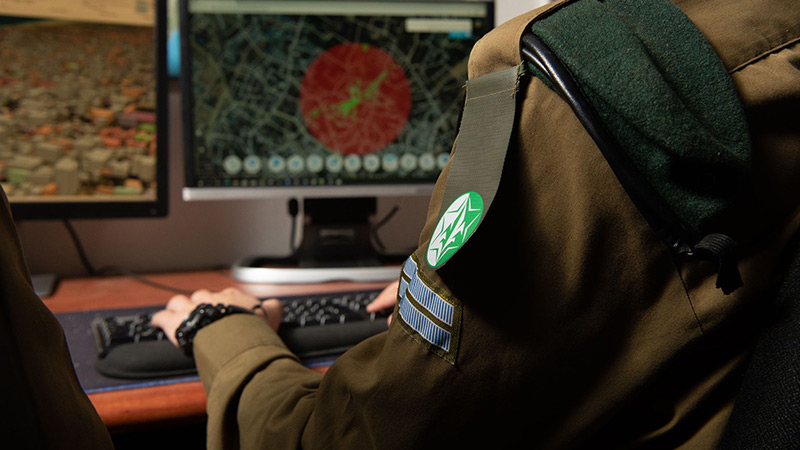
The investigation revealed that Unit 8200 had created a dedicated, segregated section within Microsoft’s Azure cloud to handle the enormous influx of data.
This setup reportedly allowed for highly organized monitoring and analysis of civilian communications on a scale never seen before.
Journalists involved in the joint investigation verified these claims using leaked internal documents, whistleblower testimonies, and technical checks of the data storage locations, which were primarily in Microsoft’s European data centers in Ireland and the Netherlands.
The most striking part of report concerns a meeting between Microsoft CEO Satya Nadella and the head of Unit 8200, Brigadier General Yossi Sariel.
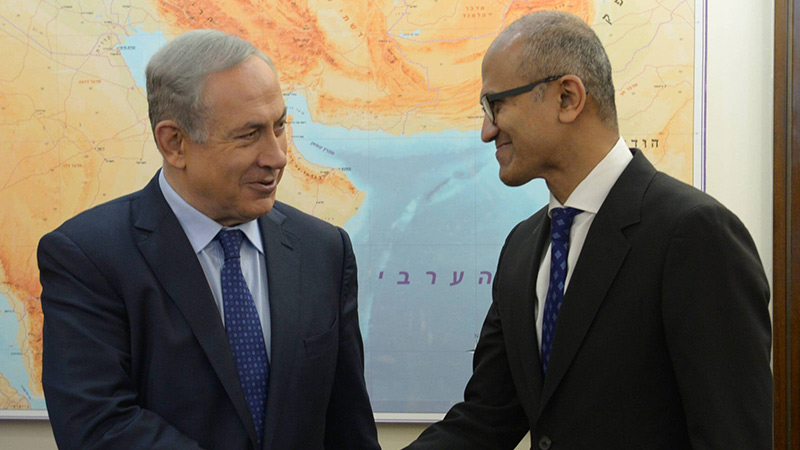
According to the report, the meeting was intended to secure Nadella’s support so Israel could utilize Azure’s storage and computing capabilities to build a powerful mass surveillance system. This system reportedly became operational in 2022.
In response to the allegations, Microsoft launched an urgent external inquiry to determine whether the use of its cloud technology for such mass surveillance violated its terms of service.
The company also stated that Nadella was unaware of the specific nature of the data Unit 8200 intended to store on Azure.

"At no time during this engagement has Microsoft been aware of the surveillance of civilians or collection of their cellphone conversations using Microsoft’s services, including through the external review it commissioned," a spokesperson for the company said.
The company emphasized that storing data obtained through indiscriminate or broad surveillance of civilians is strictly prohibited under its policies. Microsoft has retained the law firm Covington & Burling LLP, along with an independent technical consulting firm, to conduct the review, and it has pledged to make the findings public once the investigation concludes.
It's worth noting that Sariel has resigned from his position as head of Unit 8200 near the end of 2024 due to his failure to prevent Hamas's October 7 attack.
The complaints don't come from the outside only, because workers at Microsoft-owned Arkane Lyon, the studio behind Deathloop and the upcoming Marvel’s Blade, have published an open letter urging management to end all “ongoing or future contracts with Israeli Occupation Forces” to “ensure the future of the Palestinian society.”
In the letter, Arkane workers wrote:
"We think it’s our responsibility, as tech workers, to raise the alarm, and to ensure that our technologies are used to make the voices of the oppressed heard, and not facilitate their demise."
This appears to be the first instance of Microsoft’s gaming division employees publicly calling on the company to take action over its ties to the Israeli military.
The move follows prior employee protests from other divisions and a critical press report earlier this year, which claimed that Microsoft’s cloud and AI technologies had been used to facilitate attacks on Palestinians.
Earlier this year, Microsoft stated that its investigation “found no evidence to date that Microsoft’s Azure and AI technologies have been used to target or harm people in the conflict in Gaza.”
But Microsoft is again caught itself in the crossfire because shareholders have also began pushing for a new report on the wartime use of Microsoft’s technology by Israeli forces.

The roots of the conflict trace back to October 7, 2023, when the Palestinian Hamas launched a surprise attack on Israel, marking the deadliest day in Israeli history.
The assault, which included over 4,000 rockets and incursions by Hamas fighters, resulted in the deaths of approximately 1,200 Israelis and the capture of around 250 hostages. In retaliation, Israel declared war and initiated a full-scale invasion of Gaza.
Since then, the conflict has escalated, leading to significant casualties on both sides. As of August 2025, over 61,000 Palestinians have been killed, with many civilians among the dead. The humanitarian crisis continues to worsen, with widespread displacement and limited access to essential services.
As the war approaches its second year, domestic frustration has erupted into one of the largest nationwide protests in Israel's history.
But despite increasing call, even from former military officials, for a ceasefire, Prime Minister Netanyahu remains firm against any deal that leaves Hamas in power, citing national security concerns.

The revelations have stirred global concern, highlighting the troubling possibility that a major technology platform could be used to facilitate mass surveillance of civilians, potentially breaching both corporate policies and international human rights standards. They also raise serious ethical and legal questions about the role of technology in modern conflict.
As the war in Gaza continues and as the cycle of violence tragically repeats itself, it remains critical that all parties (including Microsoft), which are indirectly involved in the conflict, should prioritize the protection of civilian lives and work toward a peaceful resolution.
The international community must hold accountable those responsible for violations of human rights and ensure that technology is not misused as a tool of oppression.






















































































































































































































































































