
There are stories that people tell to frighten each other. Then, there are stories people tell because they secretly want to see what frightens them.
And Monster: The Ed Gein Story is both.
Netflix's third entry into its "Monster" anthology doesn’t just revisit the man who inspired iconic films that defined pop culture, like Psycho, The Texas Chainsaw Massacre, and The Silence of the Lambs. Instead, it also dissects him. And in doing so, it dissects its viewers.
It’s a cold, methodical exploration of evil, not as a a spectacle, but as something domestic, familiar, and devastatingly human.
However, unlike the previous two ,em>Monster entries, Ed Gein ranks far below them. It's also far below Netflix’s True Crime serial killer series, Conversations with a Killer.
And there are reasons for that, as the internet concluded.
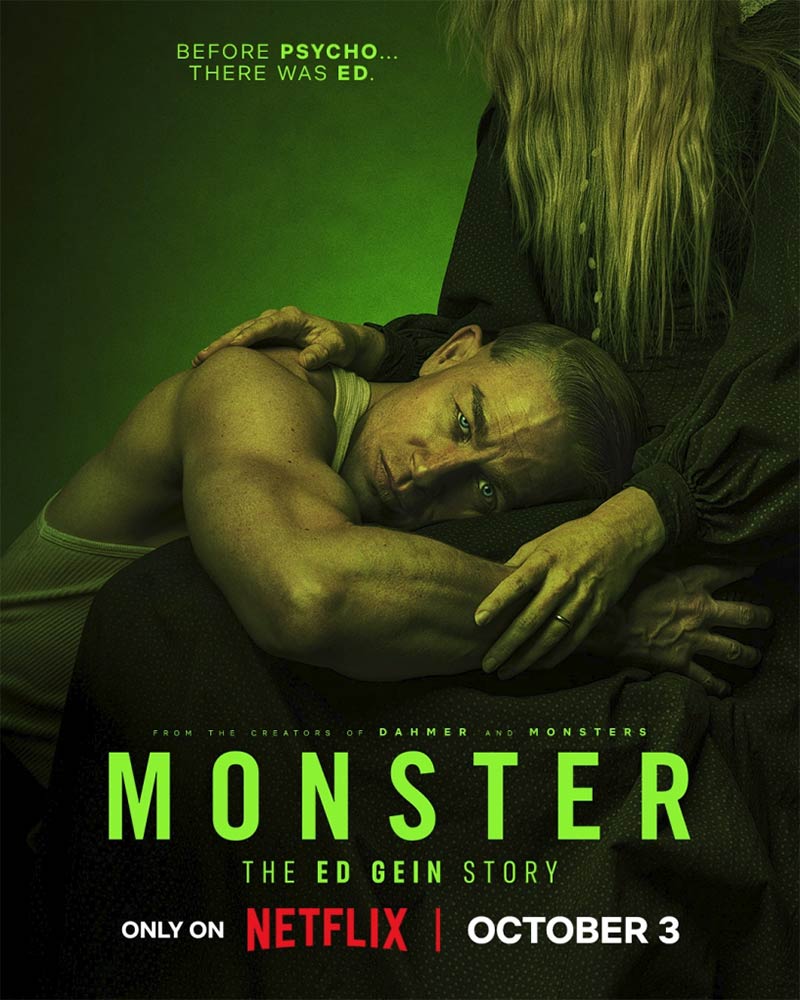
Plainfield, Wisconsin, 1957. Snow falls over the kind of town that forgets its own name in winter. A place where doors aren’t locked because everyone thinks they know each other.
In one of those houses lives Edward Theodore Gein. Or better known as Ed Gein, he, a soft-spoken man who fixes neighbors’ farm tools and attends church every Sunday, is quiet and polite. But beneath the surface, something rotten festers: years of isolation, loss, and devotion. His life, the reality he was living in, the pain he suffered, created a twisted mentality that spiraled into obsession.
When police finally enter his farmhouse, they find not a home, but a graveyard built from memory and flesh.
- A lampshade made from human skin, with its pores still visible under the light.
- Chair seats upholstered in human flesh, stretched tight like animal hide.
- A belt made of nipples, stitched together like leatherwork.
- A collection of vulvas, each preserved, some painted with silver spray paint, one kept in a shoebox. Two of the vulvas appeared to be from fifteen years olds.
- Skulls turned into bowls, soup cups, and bedpost tops. One of them was stored inside a wooden box.
- A human heart "in a plastic bag in front of Gein's potbelly stove."
- Multiple human faces that had been carefully removed from corpses - peeled, tanned, and preserved like masks.
- Noses, severed, dried, and kept in a box.
- Lips nailed to a window shade pull.
- Leggings made from human leg skin.
- A corset made from a woman’s torso, skinned from the shoulders to the waist.
- A wastebasket lined with human skin.
- Bones as fragments and utensils.
- In the shed, a corpse hanging like butchered meat.
The chilling part wasn’t just the brutality that happened inside the house. It was how the remains was well taken care of. Gein treated those remains as materials for a ritual of transformation, not just as trophies.
And this is not fiction.
It’s history, too real to romanticize, but also too monstrous to ignore.

The 8-episode series refuse to indulge in jump scares or cheap thrills. Instead, it bleeds slowly by methodically peeling away the layers between sinner and saint, killer and viewer. The cinematography is hauntingly sterile: fog, candlelight, old wallpaper peeling like dead skin.
Viewers can feel the decay in every frame. The silence stretches like the space between heartbeats. It’s not the violence that unsettles. It's the stillness that makes it disturbing.
The internet is entertained, as many flocked to Netflix to watch him, judge him, and feed on him.
With comments and responses populate social media feeds, headlines came next. And just like any documentary that came before it, these things keep it alive.
But there’s something disturbingly intimate about watching Monster: The Ed Gein Story.
It doesn’t glorify, but it doesn’t fully condemn either.
This is because deep down, Monster: The Ed Gein Story is meant to be not just an Ed’s story. It’s a reflection. A dark, distorted mirror held up to a culture obsessed with true crime, with suffering, with the seductive pull of monstrosity.
Gein admitted to have murdered two women in 1954 and 1957: Mary Hogan, a tavern owner who disappeared from her bar in Plainfield. Police later found parts of her remains in Gein’s home, and Bernice Worden, a hardware store owner. She was found decapitated and hung upside down like a deer, gutted in Gein's shed.
And between 1947 and 1952, Gein admitted to have exhumed the bodies of nine women, calmly saying that he stole bodies through grave robbing in some of his few dozen night visits. He said that he visited cemeteries "in a daze," digging up bodies and taking parts home to craft his "trophies" as paraphernalia.
So while only two confirmed murders were proven, the extent of his desecrations and necrophilic acts blurred the line between killer, ghoul, and something far more disturbing.
It was even reported that Gein was more or less, inspired by the Nazis’ human experimentation during World War II. During the 1950s, when Gein was committing his crimes, details about the Nazi atrocities and the death camps were coming to light, and Gein, an avid reader of some cheap men's magazines att he time, many of which featured stories about leather-clad Nazi women torturing prisoners, caught his attention.
There was some evidence that he’d been reading stories about South Seas cannibals who would flay their victims and use the skins to make pom poms and things like that.
As a result of this deranged mentality, Gein has become one of America’s darkest legends, inspiring the creations of some of the most infamous fictional killers. They include Leatherface, who wears the faces of his victims as masks; Norman Bates, whose twisted relationship with his mother drives his murderous split personality; and Buffalo Bill, who skins women to craft a “woman suit” in a desperate attempt to fulfill his desire for female transformation.
Since then, Gein’s twisted life has been reimagined in numerous movies, including Deranged, Ed Gein: The Butcher of Plainfield, and even House of 1000 Corpses by Rob Zombie.
His story also echoed through heavy metal and grunge music: bands like Slayer, Tad, Blind Melon, and Mudvayne all wrote songs about his horrifying acts.
Even decades later, filmmakers and artists remain fascinated by him.
Over time, Gein’s name became more than that of a killer. Gein became a symbol of horror itself, shaping the very face of modern American terror.
Before his death, Gein's house, the outbuildings, and his 195-acre (79 ha) property were appraised at $4,700 (equivalent to $51,000 in 2025), and his possessions were scheduled to be auctioned on March 30, 1958, amidst rumors that the house and the land it stood on might become a tourist attraction. Then, Gein's Ford sedan, which was used to haul his victims, was sold at public auction for $760 (equivalent to $8,000 in 2025).
And after his death due to respiratory failure, secondary to lung cancer, on July 26, 1984, at the age of 77, people even vandalized his grave.
While Netflix revived the story in Monster: The Ed Gein Story, Charlie Hunnam’s portrayal of Ed Gein is a revelation to this monster.
Gone is the swagger he portrayed in Sons of Anarchy. In its place, stands a man broken beyond repair, pale, trembling, and utterly lost.
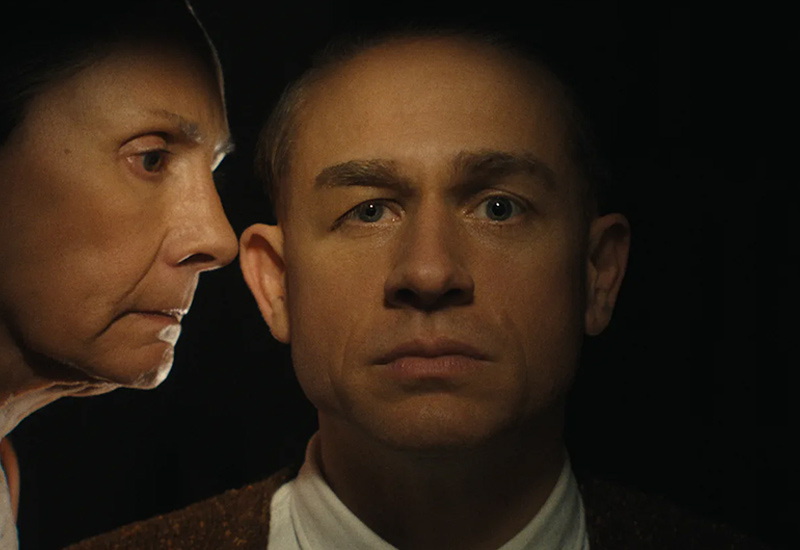
Laurie Metcalf plays Gein's mother, Augusta Gein, the storm that cared for him, but also made the monster out of him. She loves God but hates the world, preaching purity to her son. And when she finally dies, she's not just a memory, but a "ghost" that crawls into Gein's mind and lives there, whispering forever.
The internet loves it, but the rest hates it because Hunnam plays Gein, not as a villain he is in reality, but as a victim: the wounded man.
Every word Gein speaks, every blink he makes, show how Gein was actually in pain struggling to remember how to be human. In the series, the camera often lingers too long on certain details, like on the glint of a knife, the tremor of Hunnam’s hands, the way Metcalf’s eyes glow with religious mania. It’s like art, but it’s also exploitation.
There's a sadness Monster: The Ed Gein Story is trying to tell, highlighting how Gein is desperate in yearning for his mother’s voice, the same voice that damned him.
From the moment when a sheriff stands in Gein’s kitchen, staring at a chair wrapped in human skin. He looks sick, terrified, but fascinated at the same time.
That moment is the thesis of the entire show. Horror isn’t just something viewers run from. It’s something they study and worship.

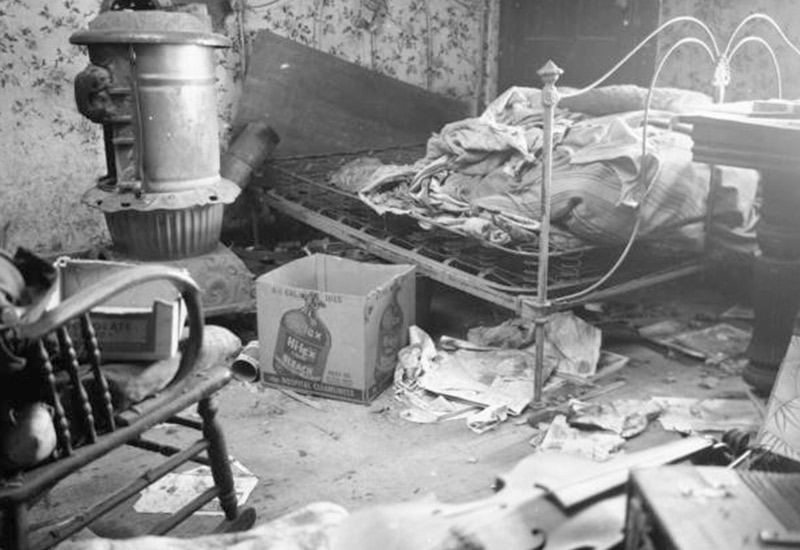
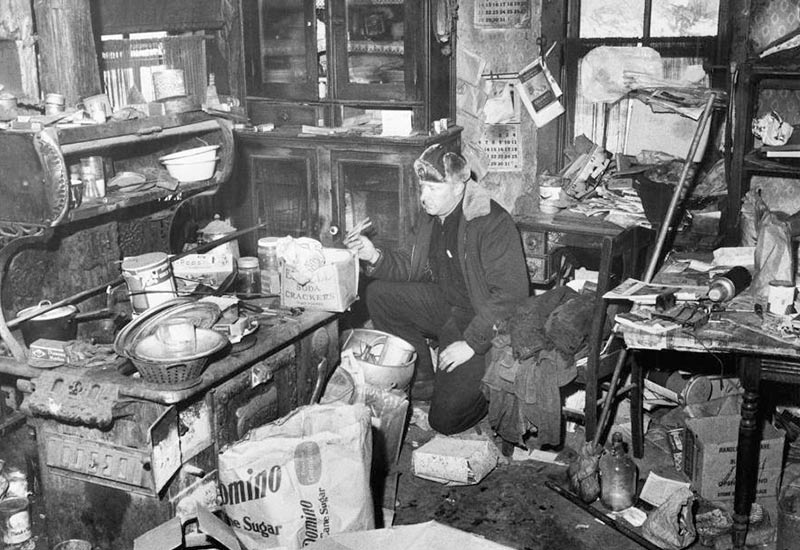
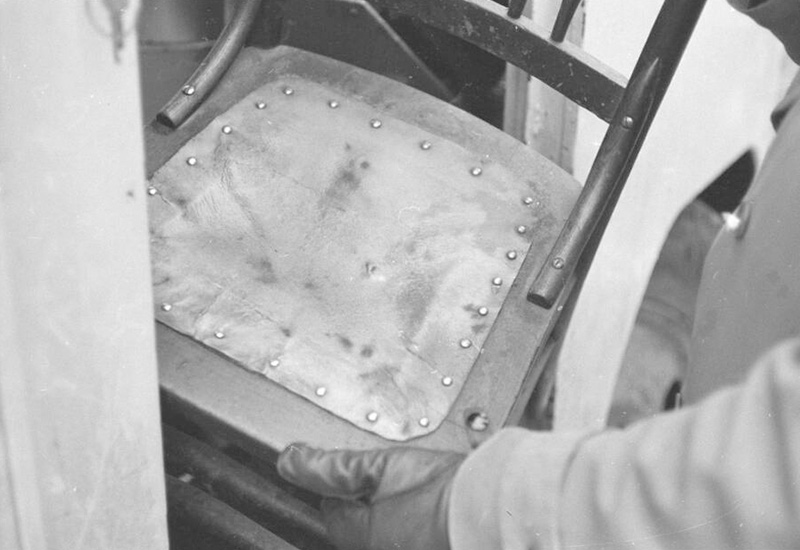
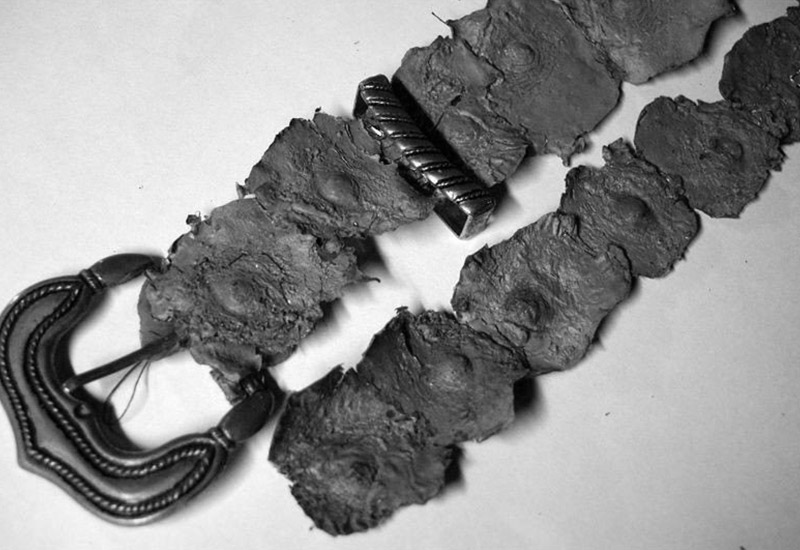
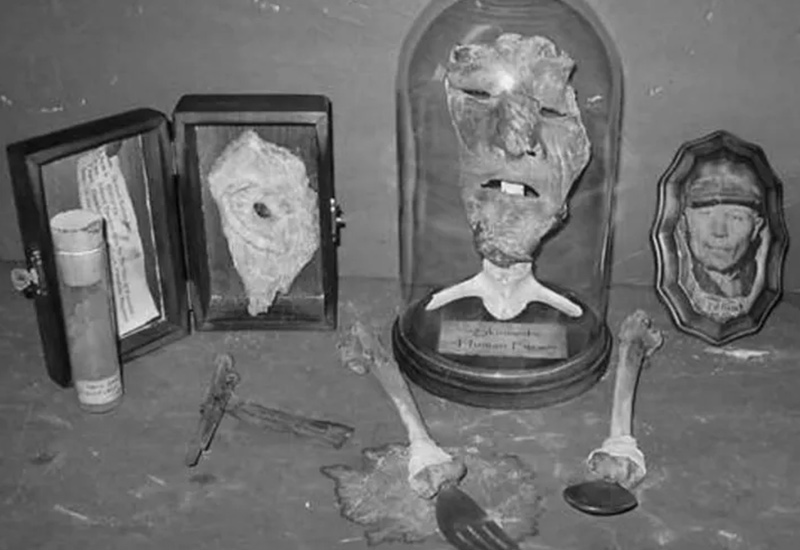
This is where the show drifts between truth and invention, romanticizing moments that never happened, adding affairs, murders, and melodrama. Critics say it lingers too long on skin and sinew, treating victims as set pieces rather than souls.
For example, Gein having romantic/sexual relationships (e.g. with Adeline Watkins) that are not supported by evidence. Then, the film that suggests Gein was involved in crimes he was never linked to (killing his brother, etc.). Then, there is the fact that some scenes borrowed or inspired by other works (like the shower scene from Psycho) dramatized beyond what historical sources suggest.
Many feel the show leans too hard on gore, disturbing visuals, and shock for shock’s sake, rather than offering insight into Gein’s psychology or exploring deeper themes. Critics say there is a lot of "lingering" on horrific details (human skin masks, etc.) that borders on exploitative. Viewers and critics are uneasy with how the show treats victims as props for shocking imagery, or how it “uses” horror and violence without deeper reflection. There’s concern it’s more about spectacle than responsibility.
The show tries to criticize both Gein and viewers/media for feasting on true crime horror. Yet, it delivers the same kind of visceral content, leaving many feeling the message undercuts itself.
It’s "scolding the audience even as it shows what it wants them to see."
Not to mention the subplots that are both fictional and exaggerated.
Some critics also feel Ed Gein is too “sympathetic” in parts, or that his actions are humanized without enough accountability. That shifts the tone in ways many see as problematic.
Long story short, Monster: The Ed Gein Story is less like prestige horror and more like a mirror cracked by its own moral weight.
Because when the gore, the murder and the madness are stripped away, what's left is something much simpler: a man who couldn't let go, a mother who loved too cruelly, and a world that keeps resurrecting them over and over again.
It shows how Gein had a far deeper, darker obsession with death, explaining the reason why he did what he did.
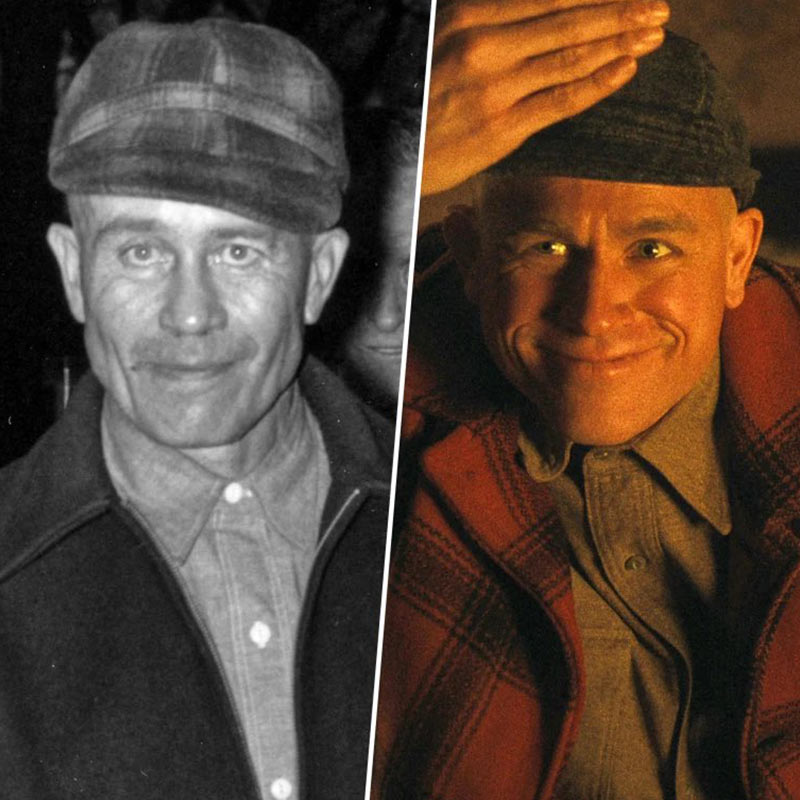
Gein had previously shared that he was obsessed with stories of World War II soldier Christine Jorgensen, who became the first American to attain fame for undergoing sex reassignment surgery, something that Gein admitted he had contemplated performing on himself at one point. And by wearing the skins of his victims, Gein could physically resemble a woman in every possible way.
Although he would never admitted this, it was theorized that Gein was not attempting to become just any woman; he was actually trying to become his deceased mother.
It’s for this reason that Gein would seek out middle-aged women instead of targeting the corpses of younger women.
It's true that the internet has witnessed a lot of things, and commented about relentless shows and real-world incidents.
The thing is, Ed Gein is not some ordinary man.
From audience reactions on Reddit and social media, many say they feel manipulated, that the show “gaslights” viewers into feeling empathy for a monster.
In the end, Monster: The Ed Gein Story isn’t about what Gein did. It's more about why viewers keep looking, because when some monsters die, their stories never do.