
In the quiet corners of people's digital feeds where stories of ambition and burnout flicker past unnoticed, one young woman's life already demands to be remembered with a depth that should refuse to fade.
Matsuri Takahashi was just twenty four when she died by suicide in December 2015, a bright University of Tokyo graduate who had stepped into her dream job at the advertising giant Dentsu full of hope and energy. She came from a close knit family, the kind where laughter filled the home and her mother cherished every shared moment, from childhood adventures to late night talks about the future.
Growing up, Matsuri was the kind of student who poured herself into everything she touched, excelling in her studies and earning her place at one of Japan's most prestigious universities through sheer determination and quiet brilliance.
She believed advertising would let her create stories that connected people, that her talents could shape culture and bring joy to others in a fast paced industry full of possibility.
Yet that dream turned into a nightmare almost immediately.

Japan is known for their incredible work ethic, and as result of this, the quality of Japanese goods is considered one of the best in the world.
This is why their labor productivity is held up as a model for many corporations around the world
就活してる学生に伝えたいこととは、仕事は楽しい遊びやバイトと違って一生続く「労働」であり、合わなかった場合は精神や体力が毎日磨耗していく可能性があるということ。。
— まつり (@matsuririri) November 14, 2015
好きな時に泊めてくれるし、多くはないけどタクシー代もくれる。毎日なかなか帰らしてくれないし、頭でついつい考えちゃう今の私のすべてそれが会社(^-^)
— まつり (@matsuririri) December 8, 2015
However, there are always two sides to every coin and look at the other side, the picture is not so rosy.
First off, work and life in Japan is shaped by a mix of tradition, social expectations, and gradual change.
The country has long been associated with an intense work culture, where loyalty to a company and dedication to the job are highly valued. Long working hours are common, and staying late can be seen as a sign of commitment rather than necessity. Workplaces often emphasize group harmony and hierarchy, meaning decisions are made collectively and seniority plays an important role.
今から帰宅だが、どう見積もっても時間が足りないぞ?
苦手なことがあると効率が悪くなりすぎるな…— まつり (@matsuririri) December 8, 2015
The term "karoshi" reflects how serious overwork has been historically. This word came to describe sudden death from overwork.
While younger generations are beginning to push back, seeking better work-life balance, more flexibility, and less rigid corporate structures, the change is happening slowly.
Expectations in Japan still center strongly on education, discipline, and stability. Academic success is often viewed as the most reliable path to a secure future, which leads many families to invest heavily in schooling and extra lessons. Children are encouraged to work hard, stay consistent, and avoid disrupting social harmony.
For those who excel in their studies, expectations remain high even after graduation. High achievers are often expected to enter well-known companies, maintain stable careers, and contribute meaningfully to society. Risk-taking, such as entrepreneurship or frequent job changes, has traditionally been viewed with caution, as stability and long-term commitment are valued more highly.
For Matsuri, this was exactly what she experienced.
She graduated from University of Tokyo's Faculty of Letters, and was after applying, she was hired as Dentsu, assigned to the Digital Account Division, handling internet advertising for the company.

She was loyal, and she was doing all she could to please her family.
After all, working for Dentsu was her dream.
"From elementary school onward, Matsuri always said she wanted to join Dentsu. She was the daughter who made her dream come true," her mother said. ." She was a hard worker who graduated at the top of her class from Tokyo University.
However, her days of joy quickly blurred into exchaustion as she logged more than one hundred hours of overtime each month, sometimes sleeping just two or three hours before rushing back to the office under the harsh fluorescent lights. Her boss criticized her relentlessly, calling her appearance unkempt and her efforts useless, words that cut deep into a young woman already stretched to her mental and physical limits and left her questioning her worth every single day.
オフィスに出社するたびに「ここがまつりのアナザースカイ」ってナレーションかけてる。
— まつり (@matsuririri) October 12, 2015
In her tweets she posted months before her death, Matsuri lierally wrote a diary that eventually led to her depression.
From writing about wanting to disappear, about a crushing weight that made even breathing feel unbearable, and nights when the thought of another morning at work filled her with dread she could no longer hide, to boarding the last train home, falling asleep still wearing her makeup, and waking up the next day only to essentially cover it up and do it all over again.
"Are there any new employees who don't get mentally ill? I can't tell," she said.
私の仕事や名前には価値がないのに、若い女の子だから手伝ってもらえた仕事。聞いてもらえた悩み。許してもらえたミス。
程度の差はあれど、見返りを要求されるのは避けて通れないんだと知る。— まつり (@matsuririri) December 14, 2015
22時前に帰れるなんて…奇跡だ
— まつり (@matsuririri) December 16, 2015
死にたいと思いながらこんなにストレスフルな毎日を乗り越えた先に何が残るんだろうか。
— まつり (@matsuririri) December 16, 2015
@shikotter_ 目も死ぬし心も死ぬし、なんなら死んだほうがよっぽど幸福なんじゃないかとさえ思って、今日は死ぬ前に送る遺書メールのCCに誰を入れるのがベストな布陣を考えてた。
— まつり (@matsuririri) December 16, 2015
先輩〜!できた時はきちんと褒め、ダメな時は優しく怒るのやめてくれ〜(><)つらすぎる毎日の中で唯一の希望の光みたいな存在になるのはやめてくれ〜(><)このままでは好きになりかねない〜(><)
— まつり (@matsuririri) December 17, 2015
1日20時間とか会社にいるともはや何のために生きてるのか分からなくなって笑けてくるな。
— まつり (@matsuririri) December 17, 2015
せっかく4カ月ぶりに彼氏に会えるのに、そのために仕事をめちゃめちゃ早く終わらせなきゃならないことと愚痴を言ってはいけないというプレッシャーで辛いったらないんだよな。社会人になるってことは、一時も気を抜けないってことなんだな。
— まつり (@matsuririri) December 20, 2015
男性上司から女子力がないだのなんだのと言われるの、笑いを取るためのいじりだとしても我慢の限界である。
おじさんが禿げても男子力がないと言われないのずるいよね。鬱だ〜。— まつり (@matsuririri) December 20, 2015
She was deliberately asked for help.
The internet was there, always listening. But none could intervene. Everyone was so busy with their own business, as usual, and nothing expected what came next.
On December 25, 2015, in the early morning of Christmas, she jumped from Dentsu's employee dormitory and died. She was 24 at the time.
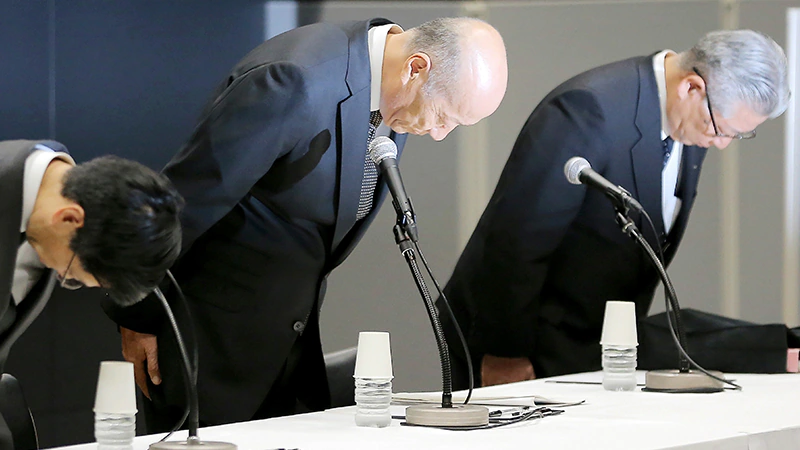
The labor standards office ruled her death as karoshi, death from overwork, shining a harsh light on the company's history of similar tragedies, including a case from 1991 and years of underreported overtime, where a man, an employee in his second year, died by overwork suicide, and the Supreme Court had confirmed the company's liability for compensation.
Even so, the culture of long hours didn't change.
Dentsu had promised change after earlier scandals, yet the pattern that many insiders had long whispered about but few dared to confront openly, continued.
The same death, 24 years earlier, repeated itself.

At Dentsu, there was reportedly a culture of pressuring employees to underreport their overtime hours to make them appear lower than reality. It's been pointed out that Matsuri's overtime was likely recorded as less than it actually was. 105 hours of overtime per month, was recorded as less.
In September 2016, the Mita Labor Standards Inspection Office recognized Matsuri 's death as a work-related accident due to overwork.
In October 2017, Dentsu was given a guilty verdict and a 500,000 yen fine by the Tokyo Summary Court for violating the Labor Standards Act.
The company itself was prosecuted.
"We extend our deepest apologies to stakeholders and the public for the concern we have caused," Dentsu said in a statement.
The president of the company at the time, Tadashi Ishii, resigned. But criminal liability was pursued only against Dentsu as a corporation. There were no criminal penalties for her direct supervisor.
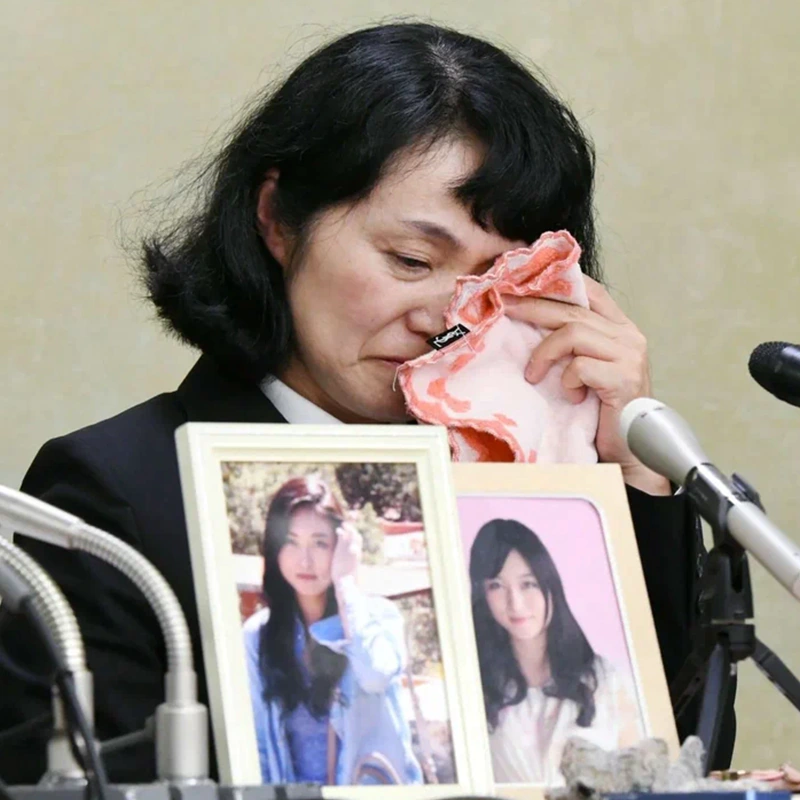
Her mother, Yukimi Takahashi, has spoken with heartbreaking honesty, sharing videos that capture the warmth of Matsuri's smile and the emptiness left behind.
She recalls a daughter who loved deeply and dreamed boldly, who once lit up rooms with her laughter and her plans for a life filled with creativity and kindness, now reduced to a symbol of a culture that values output over humanity. Those words linger, a mother's voice trembling with grief yet laced with quiet strength, pleading for workplaces to see employees as people first, not machines that can be pushed until they break.
"To not let Matsuri's death be in vain, I want to change Japan's work environment. I want Matsuri to be the last victim," the mother said,
The story has spread widely, sparking outrage, protests, and calls for government reforms, yet it risks fading too quickly from global conversations even as the lessons remain urgent.
This case deserves far more exposure because it is not an isolated tragedy confined to one company or one country.
It is a mirror held up to every hustle obsessed workplace, every promise of success that quietly destroys the young and the promising. In a world where the lines between work and life blur endlessly through emails at midnight and endless productivity demands, Matsuri's story reminds us what happens when we ignore the human cost, when corporations treat overtime as a badge of honor instead of a warning sign that something is deeply broken.
Karoshi has claimed too many lives over the decades, but her case stands out for the way her own words captured the silent desperation so many feel, turning a personal loss into a collective wake up call about the price of unchecked corporate ambition.