When the first Silent Hill game crept onto the PlayStation in 1999, it was unlike anything the world had seen.
Born from Konami’s Team Silent, it wasn’t about the power fantasy of shooting monsters, nor the jump scares of slasher horror genre or ghost some ghost stories. Instead, it chose to unnerve players with atmosphere, ambiguity, and the slow crawl of psychological dread.
it embraced disorientation: fog smothered vision, radio static pierced the silence, and the town itself felt alive, oppressive, and personal.
When AAA games like Resident Evil is more into action horror, Silent Hill is designed to leave gamers question what was real, what was nightmare, and what was buried inside the human mind. The industry had not yet seen such deliberate use of psychological terror, where fear wasn’t simply of the grotesque, but of one’s own subconscious.
Now, twenty-six years after that first fog descended, the series is resurrected. Silent Hill f, releasing on September 25, 2025, arrives not in the familiar American town, but in a setting steeped in its own cultural phantoms.
The internet has a lot of questions.
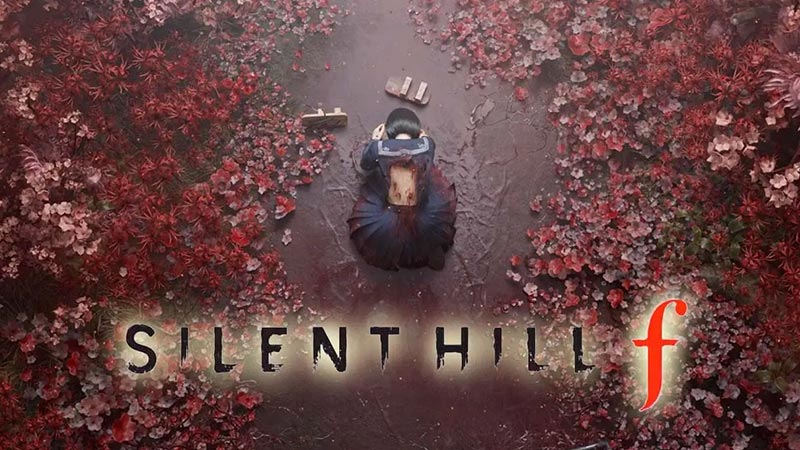
The franchise has came a long way.
After the original Silent Hill, Silent Hill 2 was released in 2001. It was (again) a game that rewrote what horror could mean. It was not just about monsters; it was about grief, guilt, and trauma. The foggy streets became a mirror to the protagonist’s psyche, the enemies symbolic manifestations of his shame and desires. The story dared to be ambiguous, leaving players haunted long after the credits rolled.
It inspired creators across the industry, from Amnesia to Alan Wake, from Layers of Fear to Hellblade.
The DNA of Silent Hill pulses quietly within them all.
Subsequent entries, like Silent Hill 3 is more into suffocating gamers with its religious imagery, where as Silent Hill 4: The Room showcased the horror of claustrophobic apartment prison.
Then came Silent Hill f.
The game is the first Silent Hill set in Japan, which is rather unusual because it's usual setting is a fictional town in the U.S. state of Maine.
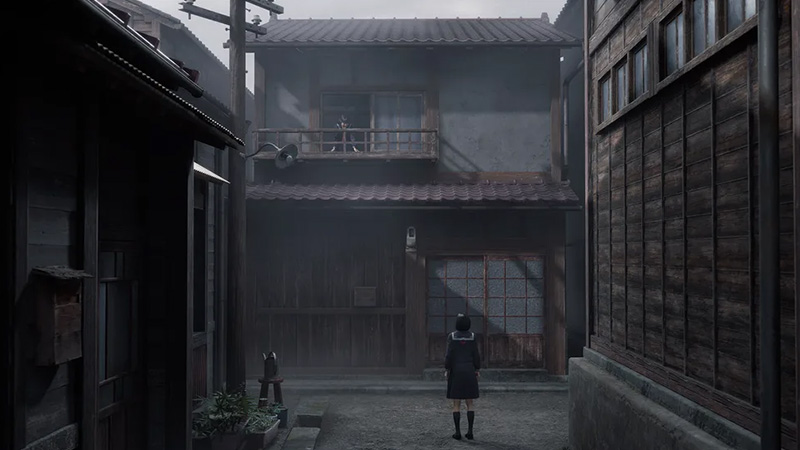
Players follow Hinako Shimizu, a teenager trapped in the vise of expectations from her family, her peers, and society. Staying true to the franchise, the game externalizes the internal.
With the game, its developers seek to reclaim horror, but not through imitation. It wishes to go deep through roots that are tangled in folklore, ritual, and the societal suffocation of tradition.
The monsters that writhe in Ebisugaoka’s narrow alleys and shrines, for example, are there as threats; they are echoes of Hinako’s fragility and her struggle against the weight of her world. Even the town itself, like wood creaking, mist rolling, shrine bells tolling in the distance, feels like a ghost, a character that feeds on the dread of those within it.
But then, there are mechanics, like stamina meters and chargeable attacks.
This quickly divided the fandom.
From how Hinako dodges, counterattacks, and given stamina-like focus meters, a lot of players see echoes of games like Dark Souls or Sekiro, sparking claims that Silent Hill f had succumbed to the trend of “soulslike" mechanics.
A soulslike is a subgenre of action RPGs, which can be defined by methodical combat, deliberate stamina-based actions, and the expectation that death is part of the learning loop. Players progress by carefully managing resources that can be lost and reclaimed upon death, adding tension to every encounter.
These games also emphasize environmental storytelling, where lore is delivered subtly through world design, cryptic dialogue, and item descriptions rather than direct exposition. In soulslike approach, exploration is key, with interconnected maps and hidden paths that reward curiosity, while punishing boss battles serve as milestones that test skill and patience.
Over time, variations of games like Dark Soul expanded the formula with faster combat, refined parries, and sprawling worlds. Other developers adopted the style with their own interpretations, solidifying "soulslike" as a recognizable genre.
And the producers aren't really pleased with hearing Silent Hill f being soulslike.
Motoi Okamoto has bristled at this labeling.
In interviews, he insists the comparison is disingenuous: stamina bars existed in Silent Hill 3; attack charging was part of Silent Hill 4. These are not borrowed from elsewhere, and they are part of Silent Hill’s own history. And crucially, Silent Hill f is not about mastery or rhythm-based duels; its combat is framed through Hinako’s limitations.
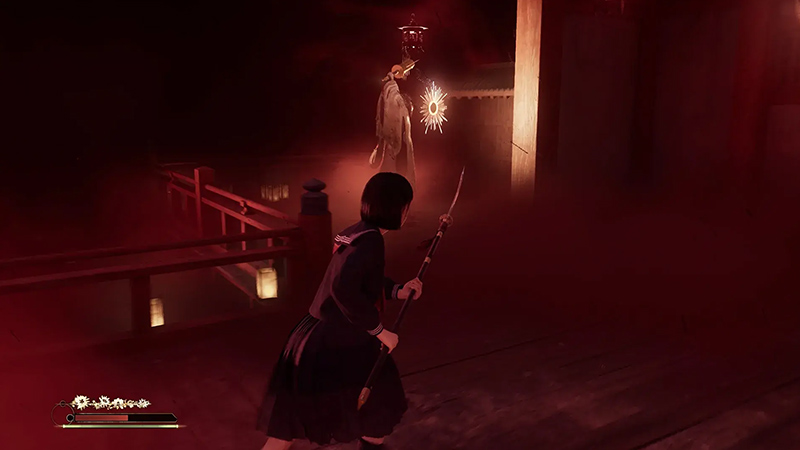
Her attacks are slow, heavy, sometimes clumsy. Her parries, when they connect, are desperate flukes.
She is not a seasoned warrior. She is a frightened girl, swinging wildly against the incomprehensible.
Still, previews raise concerns.
The dodge mechanic, in particular, has been described as “weirdly generous,” with Hinako nearly gliding across the battlefield in slow motion. Where Silent Hill 2 Remake offered tense, modest sidesteps, Silent Hill f risks turning fear into acrobatics.
Too much agility erodes vulnerability, and vulnerability is the lifeblood of horror. The same can be said of its inconsistent melee hit detection and awkward enemy reactions. If every beast can be sidestepped with ease, then the terror of being trapped in a hostile, infested town risks collapsing into spectacle.
It's worth noting that the term soulslike has become overused.
A lot of players are calling any game featuring stamina meters, dodging, or counterattacks a soulslike. This is why Konami pushes back against labeling Silent Hill f as such, stressing that its roots lie in psychological action-horror, not in the punishing design philosophy of FromSoftware’s legacy.
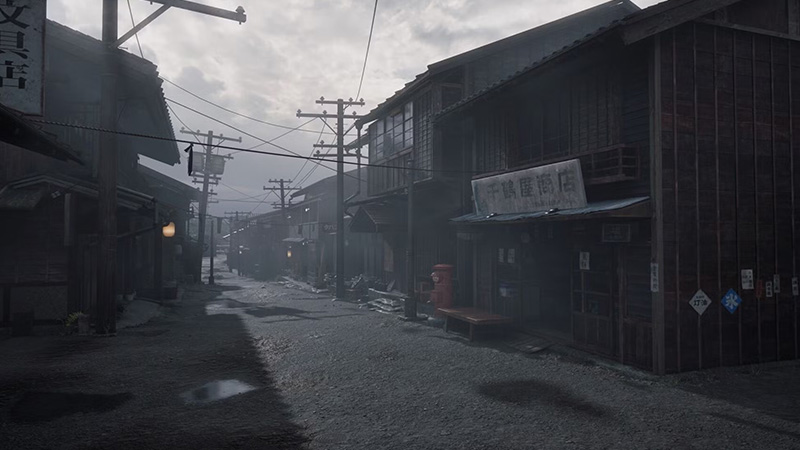
While some people question, and are not fond of this soulslike approach, the truth is that, the approach is already part of horror’s evolution.
For decades, genres that were either influenced or being influenced by Silent Hill, have oscillated between brilliance and unevenness.
Regardless, Silent Hill f is not without its brilliance.
Critics who played its extended demos spoke of hauntingly beautiful environments.
From fog-drenched farm fields filled with motionless school-uniformed scarecrows, who may or may not spring to life if players make the wrong move. A dilapidated shrine choked with a lethal red mist. Rituals rendered in quiet detail, like the cleansing Temizuya performed at the shrine’s basin. Its monsters are grotesque yet distinctly Japanese, with twitching, doll-like hybrids and a decayed shrine maiden that stalks like something torn from ancient folklore.
These moments do not rely on shock, but on eerie unease. This, in essence, is Silent Hill.
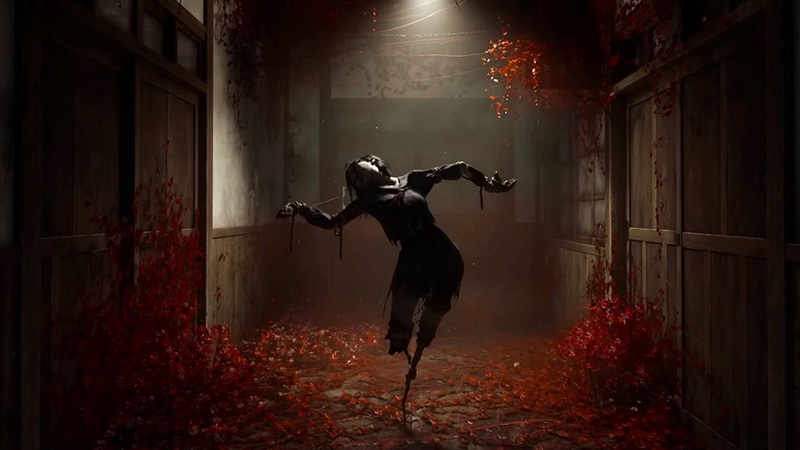
In other words, even if it really adopts the soulslike traits, Silent Hill f is trying to balance horror and action, in order to get the best of both worlds.
It is not entirely a soulslike, despite the parries, the stamina, the dodges. It is an action-horror game, yes, but more importantly, it is Silent Hill’s attempt to reinvent itself for a new generation, without discarding the fragile dread that defined it.
Unlike most other games, including Resident Evil, Silent Hill has never been about defeating monsters, but about being devoured by them, either psychologically, spiritually, symbolically.
And also, Silent Hill f has nothing to lose.
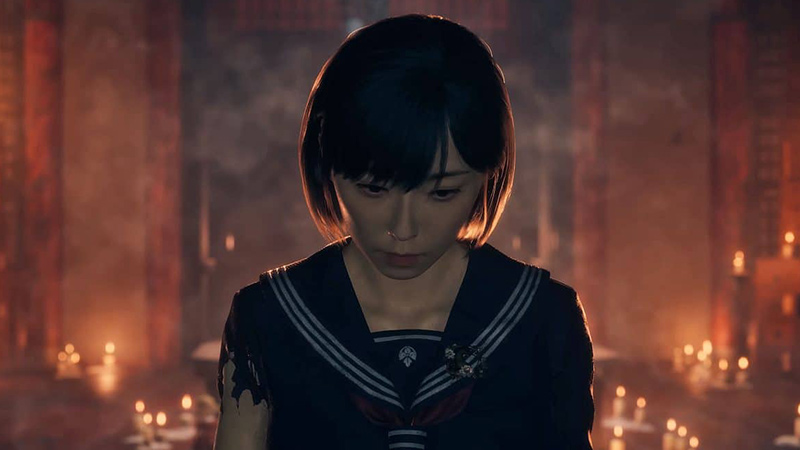
The game was born from a desire to create a Silent Hill with 100% essence of Japanese-style horror.
If it succeeds, it could be more than just a return. It could be a new benchmark, just as Silent Hill 2 was in 2001. And if it fails, it risks of only becoming what its own fog hides best: something familiar.
On September 25th, when the game was released, the fog is what Konami hopes can put gamers reflection to themselves, staring back.














































































































































































































































































