Maintaining a country's economy is a complex topic, and a continuous process of vigorous monitoring of various sectors. And Zimbabwe, the landlocked country in Southern Africa, is having a hard time recovering.
The country has rich reserves of commercial mineral deposits, it's heavily dependent on its tertiary sector of the economy, also known as the service sector of the economy, which makes up to 60% of total GDP as of 2017. The economy is also mostly powered by informal economy transactions, which means that goods and the money being traded are not taxed nor monitored by its government.
On top of that, taxes and tariffs are high, and state regulation is costly, lengthy, and difficult for companies.
As a result of this, and others, inflation is high.
And the government has a plan.
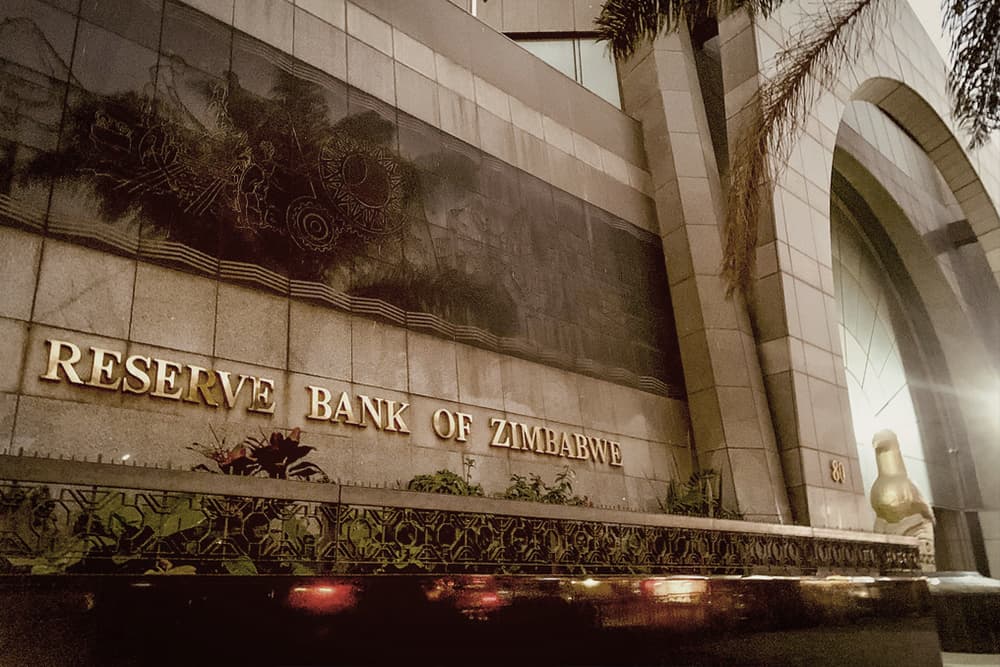
And that is by utilizing cryptocurrency to help stabilize the local currency, protecting it from its continued depreciation against the U.S. dollar.
The Reserve Bank of Zimbabwe has introduced a gold-backed digital currency to serve as legal tender in the country, which means that it's making itself the country's central bank digital currency.
The move is followed by the IMF, which has rebuked Zimbabwe's plan, because by adopting cryptocurrency, the world's major financial agency may lose its debt-driven control over the country.
While the move can help Zimbabwe in its crisis, the move comes with consequences.
RBZ Gold-Backed Digital Tokens Issue No. 1/2023 Results pic.twitter.com/5GvfRk4H8p
— Reserve Bank of Zimbabwe (@ReserveBankZIM) May 12, 2023
For example, the move should be carefully assessed, and systematically conducted in a way to ensure that the benefits will outweigh the costs and other potential risks, which can include: macroeconomic and financial stability risks, legal and operational risks, governance risks, cost of forgone forex-exchange reserves, and more.
Some suggested that the Southern African nation should rather use conventional measures to address economic challenges, rather than adopting something that is known for its volatility.
Nevertheless, despite the warnings and suggestions, The Reserve Bank of Zimbabwe has started selling digital tokens to investors for a minimum price of $10 for individuals and $5,000 for corporates and other entities, as part of efforts to reduce demand for U.S. dollars that now supersede the local unit as the preferred currency for transactions.
Initially, the first issue of the digital token is backed by nearly 140 kilograms of the country's gold reserves.
In response, the central bank received 135 applications valued at 14 billion Zimbabwe dollar ($12 million) to purchase the gold-backed digital tokens.
Zimbabwe has been fighting against currency volatility and inflation for more than a decade.
In 2009, the country adopted the U.S. dollar as its currency after an episode of hyperinflation, and in 2019, the Zimbabwean dollar was reintroduced in an effort to revive the country’s struggling economy.
Then in 2022, the government decided to use the U.S. dollar again in a bid to curb surging prices in the country, and introduced gold coins as legal tender.
These gold assets called Mosi-oa-Tunya, have "liquid asset status", meaning that they can be converted to cash, traded locally and internationally, and used for transactions, the Reserve Bank of Zimbabwe said.

On that year, 1 U.S. dollar was worth about 150 Zimbabwe dollars, and this time, it's worth around 1,000 Zimbabwe dollars.
And this time, in 2023, the country's central bank wants to allow a small amount of its Zimbabwean dollars to be exchanged for the digital gold token, enabling more Zimbabweans to hedge against currency volatility.
Initially, the government is testing the process before committing to converting a more significant Zimbabwe dollars into tokens.
It's worth noting that in 2017, the Reserve Bank of Zimbabwe was totally against cryptocurrencies, saying in a statement that virtual currencies did not have legal tender status in Zimbabwe, adding that "cryptocurrencies or virtual currencies is not regulated by the country’s laws and presents risks such as money laundering, terrorism financing, tax evasion and fraud."
The country backtracked, and made numerous changes and strategies, in its attempt to address its chronic inflation.
Besides Zimbabwe, other African countries have also been exploring a central bank digital currency plan.
According to Chainalysis, the Middle East and North Africa is the fastest-growing region for cryptocurrency adoption, thanks to cross-border remittances, with over $566 billion in crypto transactions between July 2021 and June 2022, up 48% from the previous year.














































































































































































































































































