Daring Fireball is a highly influential tech blog known for incisive commentary on Apple, design, and tech culture.
Its founder and writer, John Gruber, co-creator of the Markdown language, is an American technologist and designer. After earning a CS degree from Drexel University, he worked at Bare Bones Software and Joyent, and in 2004 co-created Markdown with Aaron Swartz—now a ubiquitous plain-text formatting language.
In 2002, John Gruber launched Daring Fireball as a blog-style "Mac column," and it quickly grew into one of the most influential voices in Apple coverage.
From 2015 through 2024, at least one Apple executive appeared every year on Gruber’s podcast, The Talk Show, for a special WWDC episode. Even during the challenges of the COVID-19 pandemic in 2020 and 2021, Gruber secured remote interviews with Apple’s top brass.
This rare and consistent access has cemented Gruber’s standing as a trusted voice within the Apple community.
But this year? That streak has come to an unexpected end.
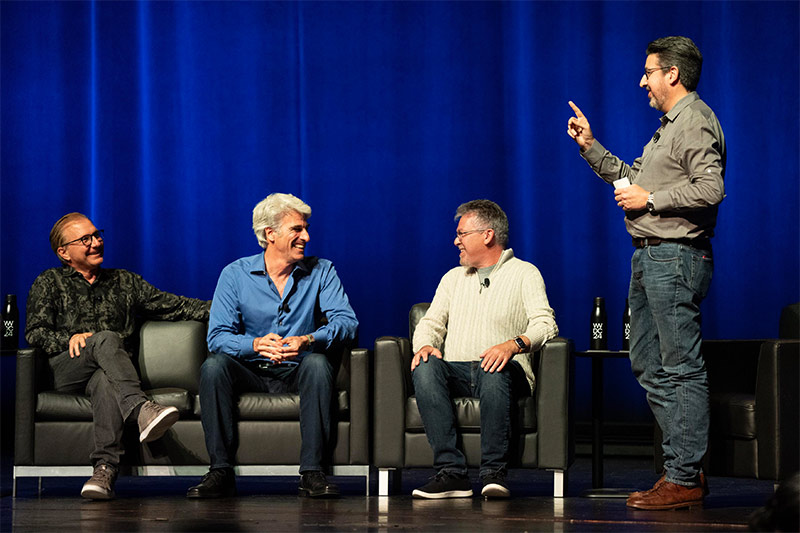
In 2025, Apple declined Gruber's invitation to speak for this year's special episode, effectively ending the decade-long tradition.
A few months earlier, Gruber published a strongly worded blog post that sharply criticized Apple’s WWDC 2024 presentation.
In the post, the long-time Apple commentator accused the company of misleading the public, saying it had “pitched a story that wasn't true” when it introduced a more personalized version of Siri. The promised features, he argued, were nowhere near ready and have since faced delays. He warned the situation “damaged Apple’s credibility” and could be a symptom of “bigger problems inside the company.”
In other words, in Gruber's view, the issue went far beyond a delayed product launch. He framed it as a troubling signal of deeper dysfunction within Apple's leadership. If the company failed to course-correct, he warned ominously that "the ride is over."
"Something is rotten in the State of Cupertino," he said.
As expected, the critique didn’t sit well with Apple.
On the latest episode of the Channels podcast, Gruber said that Apple was "not happy" with the post and considered it unfair.
Their response? For the first time in nearly a decade, they opted out of his high-profile WWDC episode.
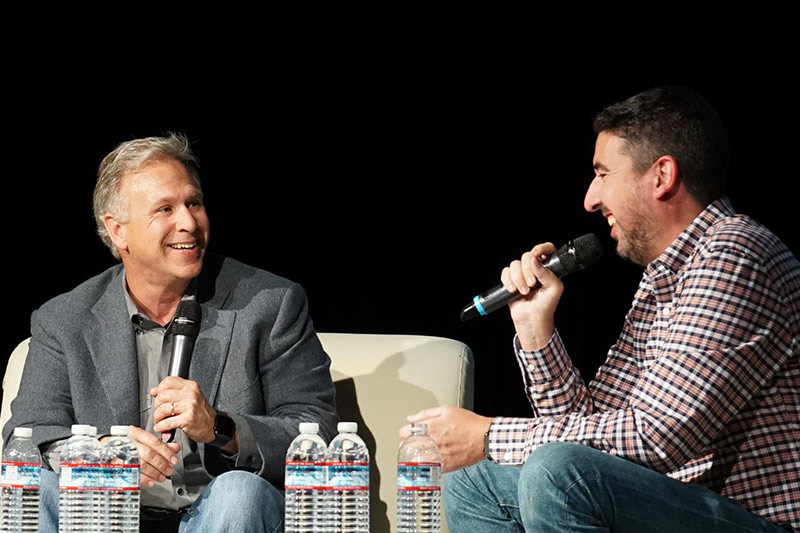
Despite the apparent fallout, Gruber said the move played in his favor.
And he was asked on why he viewed it that way, Gruber said that:
Because he couldn't get any executives from Apple for an interview, Gruber ended up interviewing The Wall Street Journal's Joanna Stern and The Verge's Nilay Patel for his WWDC 2025 episode.
Apple’s venture into generative AI and large language models (LLMs) has faced significant setbacks, including delays, strategic missteps, and internal turmoil.
Initially slow to prioritize AI—only reacting after ChatGPT’s launch—Apple fell behind competitors like OpenAI and Google.
Its AI division struggled with leadership instability and unclear direction, earning the nickname "AIMLess." Technical challenges also emerged, as Apple’s focus on privacy-driven, on-device processing limited its ability to run large-scale models effectively, compounded by hardware constraints and difficulties integrating AI into Siri.
Marketing these AI features under the "Apple Intelligence" brand raised high consumer expectations, but delays and underperformance led to dissatisfaction and even legal action alleging false advertising.
Despite these obstacles, Apple continues to invest in AI research, emphasizing privacy and on-device models. Whether it can overcome these hurdles to compete strongly in generative AI remains uncertain.














































































































































































































































































