For more than a decade, the divide between iPhone and Android messaging has been one of the most stubborn fractures in consumer tech.
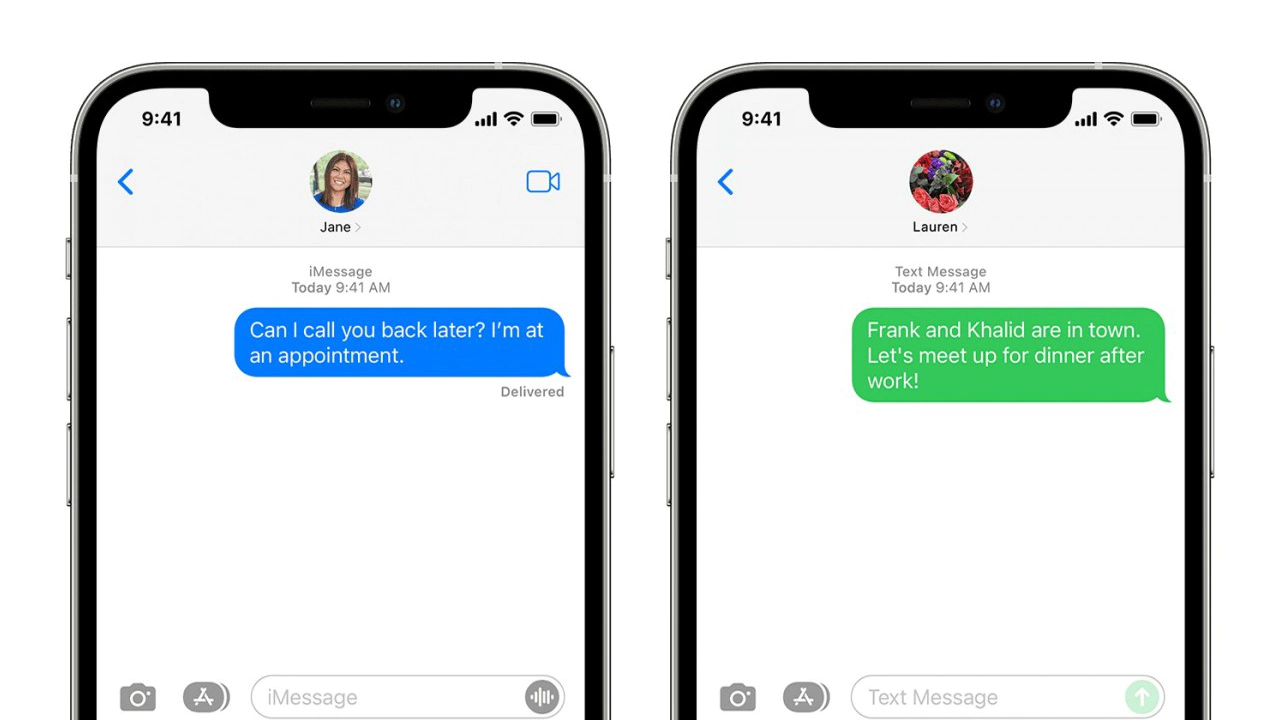
Blue bubbles and green bubbles became more than just interface colors. They evolved into cultural symbols, social pressure points, and reminders that the modern smartphone ecosystem was still deeply fragmented. While apps like WhatsApp, Signal, and Telegram offered encrypted cross platform communication for years, the default texting experience between iPhone and Android users remained surprisingly outdated.
That finally began to change.
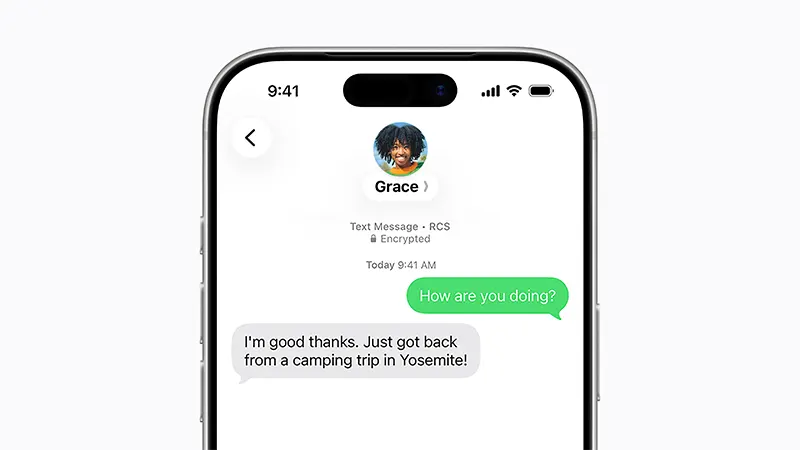
Apple announced that end-to-end encrypted RCS messaging is now rolling out in beta with iOS 26.5, allowing encrypted communication between iPhone and Android users through the default Messages app for the first time.
Read: Google Tries To Persuade Apple To Adopt RCS By Tweeting Drake’s ‘Texts Go Green’ Song
The update represents the latest chapter in a messaging war that stretches back well over a decade.
When Apple launched iMessage in 2011, it fundamentally changed texting on the iPhone. Messages suddenly supported typing indicators, high quality media sharing, reactions, read receipts, and most importantly, end to end encryption. Android users, meanwhile, were still largely stuck with traditional SMS and MMS standards that dated back to the 1990s.
For years, Google tried to modernize Android messaging through the RCS standard, short for Rich Communication Services. RCS was designed as a replacement for SMS with features closer to modern chat apps including better media quality, Wi Fi messaging, typing indicators, and group chat improvements.
But the rollout was chaotic.
Carriers moved slowly, standards fragmented, and Apple repeatedly refused to adopt it, preferring to keep iMessage exclusive to its ecosystem.
That resistance eventually became impossible to maintain.
Pressure mounted from regulators, especially in Europe, while consumers increasingly questioned why basic communication between the two largest smartphone ecosystems still felt broken in 2025. Google publicly criticized Apple for years through its "Get the Message" campaign, arguing that the green bubble experience created unnecessary insecurity and compatibility problems.
Then came the turning point.
In late 2023, Apple announced it would finally support RCS on the iPhone. When iOS 18 launched in 2024, iPhone and Android users gained improved messaging features between platforms for the first time. Photos looked better. Reactions worked properly. Group chats became less chaotic. But one major problem remained unresolved: encryption.
That missing piece mattered more than many people realized.
Google, @Apple and @GSMA have led a cross-industry effort to make the RCS messaging standard more secure and private with end-to-end encryption. #E2EE for RCS messaging begins rolling out to Android and iPhone users today. This capability will gradually roll out over the coming…
— News from Google (@NewsFromGoogle) May 11, 2026
Now, after years of technical negotiations between Apple, Google, and the GSMA standards body, encrypted RCS messaging is finally arriving across platforms. The rollout uses Messaging Layer Security, or MLS, a newer encryption framework that became part of the official RCS standard in 2025.
For users, the change may seem deceptively small. Conversations between iPhones and Android devices will simply become more secure by default. In supported chats, users will see encryption indicators showing that messages are protected end to end, meaning neither Apple, Google, carriers, nor outside attackers should be able to read the contents in transit.
But symbolically, this moment is much bigger than a software update.
It marks one of the first times the two rival mobile ecosystems have cooperated deeply enough to create a unified modern messaging layer instead of forcing users into separate experiences. For years, cross platform texting felt like a compromise compared to the polished experience inside either ecosystem. Now the gap is beginning to close.
When the news broke, the rollout is still incomplete.
Encryption only works on supported devices, software versions, and carriers, meaning some conversations may still fall back to unencrypted standards. Group chats can also lose encryption compatibility if even one participant lacks proper support.
Still, after years of pressure, delays, regulatory scrutiny, technical deadlocks, and endless online arguments about green bubbles, the messaging future that users expected long ago is finally starting to materialize.
Not through a flashy new app. Not through another locked ecosystem.
But through the quiet modernization of the humble text message itself.






















































































































































































































































































