Bing's Intelligent Search features tap into AI to provide users with more comprehensive answers. And here it's getting some improvements to make it just better.
Since the launch of its AI-powered Intelligent Search capabilities, Bing has received great feedback. Based on that, Bing expands many of the answers, improving quality and also coverage of existing answers, as well as adding more scenarios.
With the update, Bing can do the following:
- Aggregated facts across multiple sources.
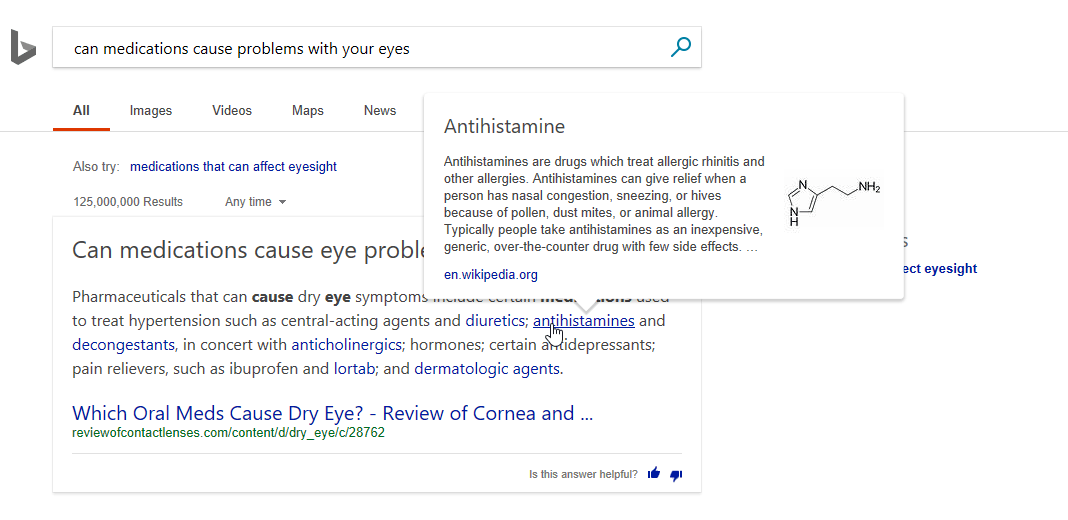
- Get definitions for uncommon words.
- Provide multiple answers for how-to questions.
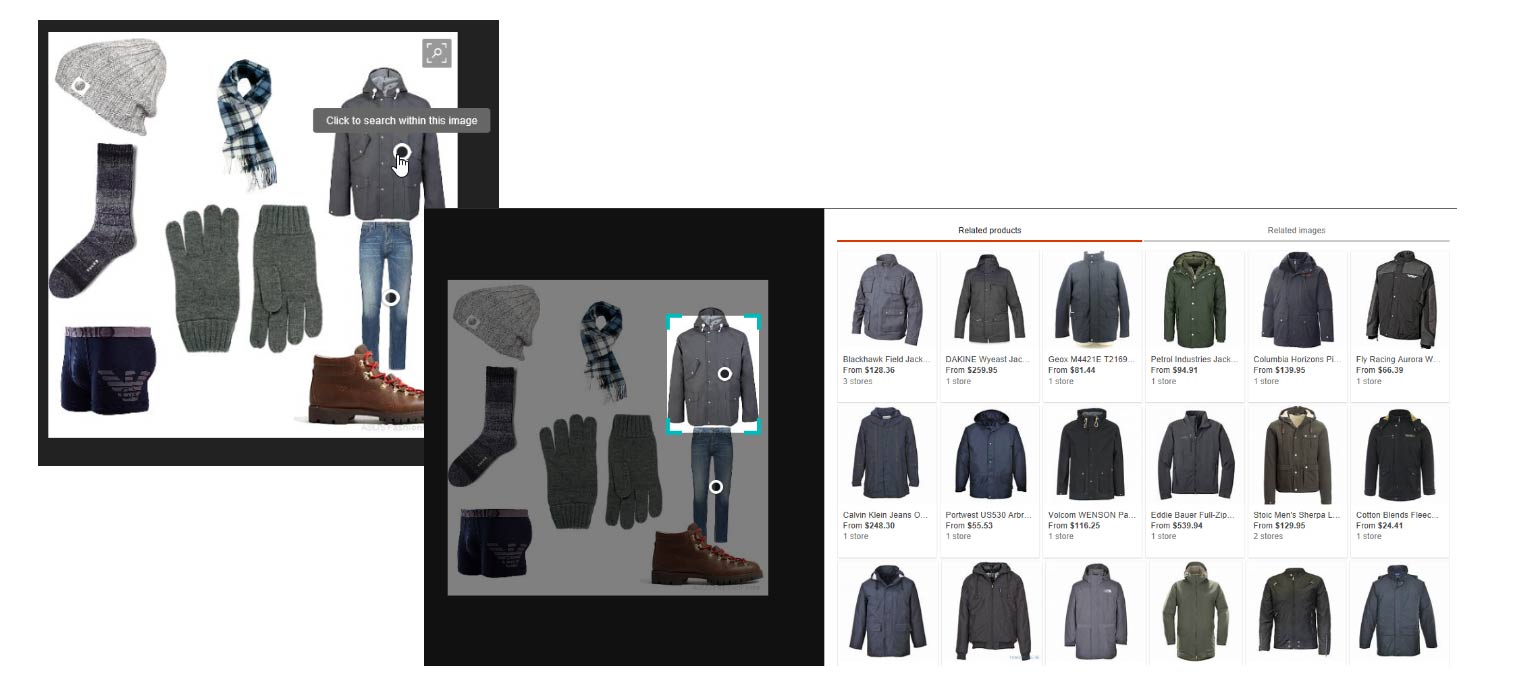
- Object detection for all common top fashion categories.
- Analyzing billions of documents across the entire web and provide answers to questions.

Bing can aggregate facts across the web for given topics across several websites.
"you can save time by learning about a topic without having to check several sources yourself. For example, if you want to learn more about tundras, simply search for “tundra biome facts” and Bing will give you facts compiled from three different sources at the top of the results page," said Bing.
The search engine from Microsoft said that users like when they can view a variety of answers options in one place, so they can decide which answer was best for them.
The company found that showing multiple answers can be helpful in situations where users struggle to type enough queries, probably because they may not know the right words to ask.
Another addition to Bing's Intelligent Image Search.
When it was launched in December, Intelligent Image Search provides clickable hotspots within images, focusing on only few fashion items like shirts and handbags. With the update, its Image Search is available for all common fashion categories.
Bing disclosed that these features require a considerable amounts of computational power.
Using Intel chips. Bing said, "we built [intelligent search] on a deep learning acceleration platform, called Project Brainwave, which runs deep neural networks on Intel Arria and Stratix Field Programmable Gate Arrays (FPGAs) on the order of milliseconds."
This allows Bing to quickly read and analyze billions of documents across the entire web and provide the best answer to your question in less than a fraction of a second.