
Google has made a bold declaration that's turning heads, creating polarized comments.
For much of its life, Android, the operating system backed by Google, is known for its immense flexibility. But that, and the way things work under the hood, made it kind of sluggish when it's compared to Apple's iOS. But now, Google said that Android has officially overtaken iOS as the fastest platform for mobile web browsing.
In a blog post on the Chromium blog, the company detailed how its latest flagship Android devices have shattered records on key performance benchmarks, delivering a noticeably snappier experience when scrolling through websites, loading pages, or interacting with dynamic content.
This isn't just marketing hype.
Instead, Google's statement is backed by real test data from tools like Speedometer and LoadLine, which simulate everyday user behaviors such as tapping, typing, and navigating real-world sites like e-commerce platforms and news portals.
The numbers tell a compelling story.

According to Google, top-tier Android phones now score up to 47% on the LoadLine benchmark compared to competing platforms, which industry observers widely interpret as iOS devices running Safari.
Speedometer, a widely respected test for browser responsiveness in realistic scenarios, showed similar gains, with some Android flagships posting improvements of 20 to 60% over their predecessors from just a generation ago.
In Google's internal testing, this translated to page loads that were 4 to 6% faster and interactions in heavy-use situations feeling 6 to 9% more responsive. The company credits this leap to tighter integration across the board, hardware from partners like Samsung and others, the Android operating system itself, and the powerful Chrome browser engine working in seamless harmony.
For years, Apple’s iOS and its Safari browser have been the gold standard for smooth, efficient mobile web performance, often praised for their optimization on tightly controlled hardware.
But Google’s announcement signals a shift, highlighting how Android's open ecosystem has evolved through close collaboration with device manufacturers. The tech giant has been pushing OEMs to optimize specifically for these benchmarks, refining everything from chip-level efficiencies to software tweaks.
It's a reminder of just how central the web remains in the Android world: over 90% of apps rely on WebView components for rendering content, and Chrome ranks among the most-used applications on everything from smartphones to tablets and foldables.
Of course, these claims come with some important context.
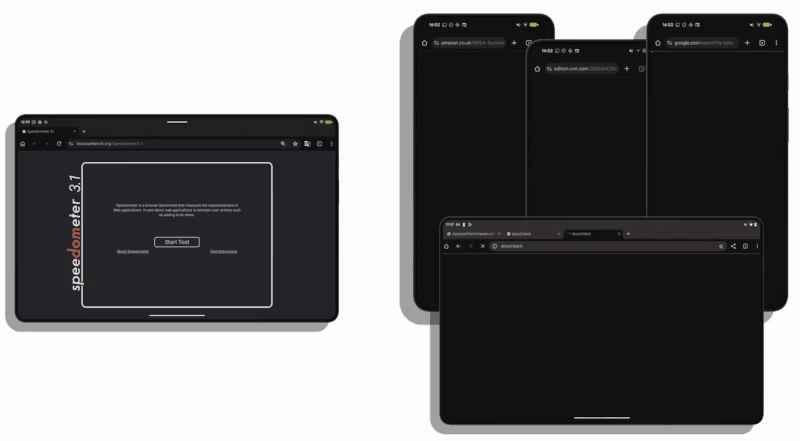
The impressive results were achieved on premium, fully optimized Android flagships, think the latest high-end models with cutting-edge processors, not across the entire lineup.
Real-world performance can still vary based on the specific device, carrier settings, network conditions, and even how aggressively a manufacturer has tuned the software.
Benchmarks like Speedometer and LoadLine provide standardized comparisons, but they don't always capture every nuance of daily browsing, where factors like battery life, background processes, or site complexity come into play.
Still, the generational jumps suggest Android is closing gaps that once felt insurmountable.

The advancement could have ripple effects for users and developers alike.
Faster web browsing means less waiting for pages to load, smoother animations, and a more fluid feel overall, especially as more of our digital lives happen in the browser rather than native apps. For Android's massive global user base, it reinforces the platform's push toward premium experiences without sacrificing its diverse hardware options.
Google is also encouraging the broader tech community to adopt these benchmarks moving forward, hoping it will drive even more innovation in mobile web performance across the industry.
In the end, whether users are team Android or team iOS, the competition benefits everyone by raising the bar.
What once felt like a clear edge for Apple in web smoothness is now a closer race, with Google's latest data showing Android pulling ahead on paper.






















































































































































































































































































