The tech giant Microsoft has promised to bring Windows 10 to be the OS for all devices. But that somehow has a drawback: Windows 10 smartphones and tablets couldn't run traditional desktop apps. Microsoft is now changing that.
On December 8th, 2016, at its WinHEC event in Shenzen, China, Microsoft announced that its desktop apps are coming to ARM processors. What this is means, practically every mobile devices can now run desktop apps.
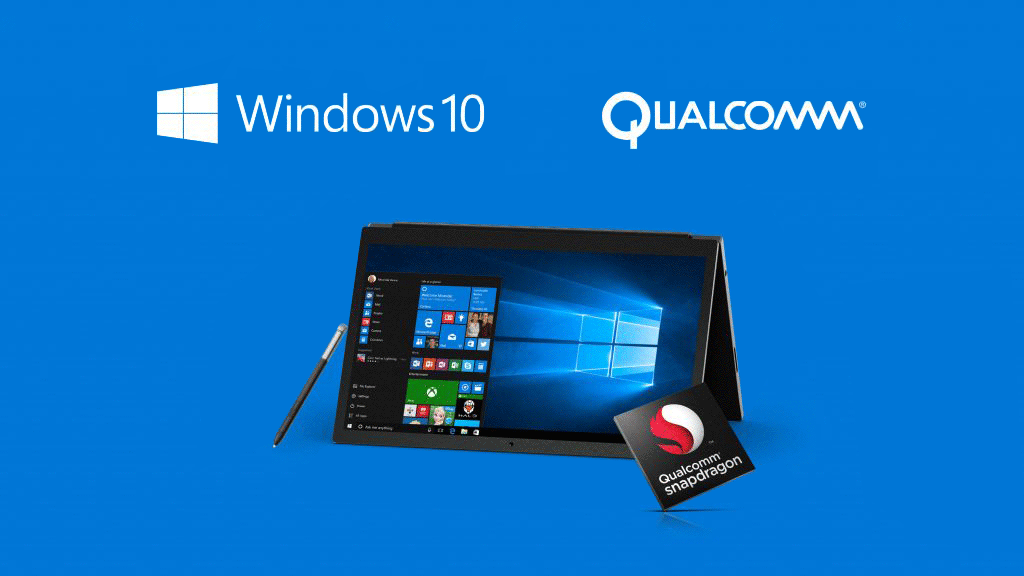
The change was shown through a emulation process in which Windows 10 can be made to run quite smoothly on a year-old Qualcomm Snapdragon 820 with 4GB of RAM.
By partnering with Qualcomm, Microsoft isn't just bringing its OS to be the touch-friendly Windows Universal Apps. Microsoft is making Windows 10 the fully-pledged productivity OS. So from Office to Photoshop and even Windows 10 games, they can all run on mobile devices now.
And according to Microsoft, developers won't have to do anything about their apps to make them work on mobile devices.
Using this strategy, Microsoft can still push its Universal Windows Platform forward. The apps are generally power-efficient, touch-friendly and scalable if compared to the legacy x86 software.
Microsoft's ultimate vision for Windows 10, was to make it an OS for all devices. And with by having Windows 10's desktop apps to be able to run on mobile devices, Microsoft is starting to put the pieces of that dream together.
Microsoft is also partnering with Intel and others to bring innovations across hardware, software and services, the company was also announcing the collaboration with the codename "Project Evo." With Project Evo, both Microsoft and Intel will deliver ways for devices to light up with the latest in advanced security, artificial intelligence and Cortana, mixed reality, and gaming.