
Snapchat introduced a way to create custom geofilters back in 2016. But they are limited to a desktop tool to create one. With an update, users can create Geofilters right within Snapchat's mobile app.
The tool can be found within Snapchat's Settings menu. On the 'On-Demand Geofilters', users can create their own filters using a variety of templates that are designed around different occasions and also celebrations. Be it for birthdays, weddings or holidays, for example, users can customize the available templates with stickers, text or bitmojis.
Users can then specify the time and the location where they want their stickers to be available, defining the area on a map, and then submit the design for Snapchat's approval.
It takes 1 business day for filters to be approved before anyone who uses Snapchat can use them.
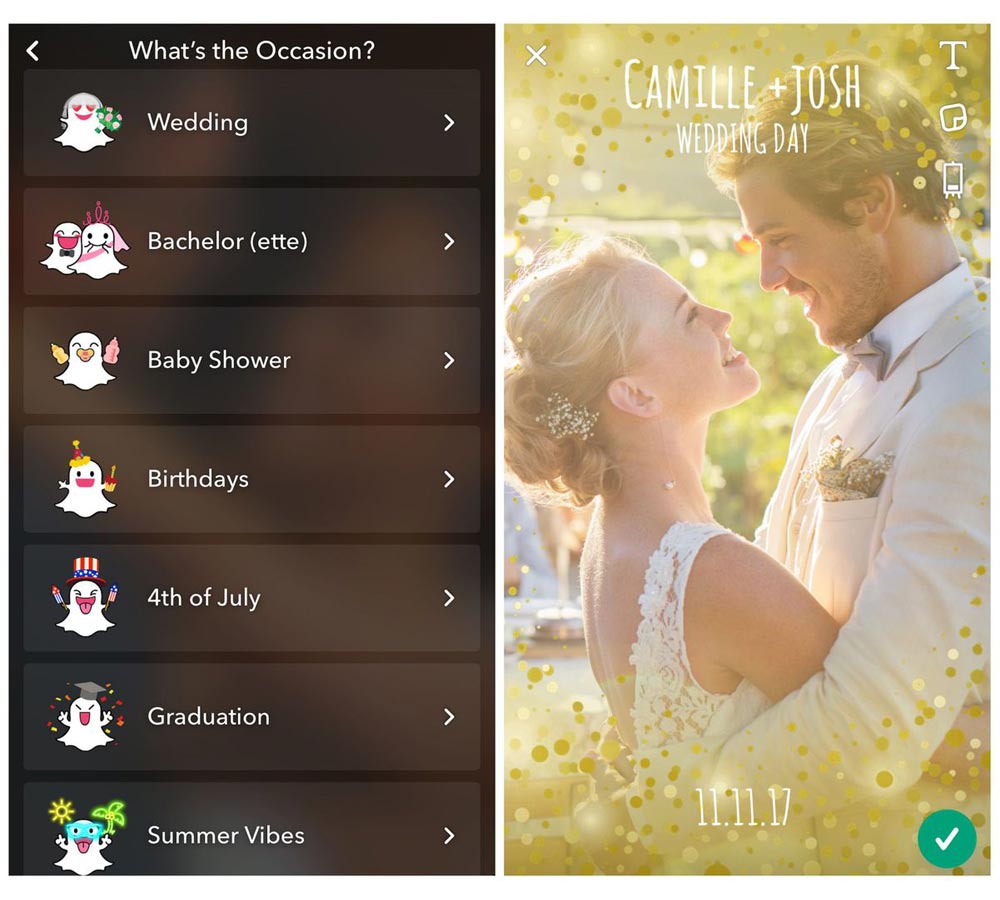
The filter editor feature however, is only for Geofilters. What this means, the filters are only available on specific geographic locations. Users are also required to pay.
Fees start from $5.99 for a few hours, with a maximum area of 20,000 square-feet. The number goes up depending on different factors like how large the area it covers, and how long the period users want their stickers to be available to use.
Snapchat in adding the feature to mobile can certainly attract more users. The tool was limited to the web, and that can be troublesome for users since Snapchat thrives on mobile.
The company said that the feature is specially designed for everyday Snapchatters, and businesses that want to get the most out of the custom Geofilters should continue using the web-based studio option.
With the feature available on mobile, users can expect to see more custom Geofilters as they become common. The company said that "tens of thousands" of custom filters are being made every day using their existing tool, so Snapchat is clearly hoping that the number will grow larger with the On-Demand Geofilters tool.
Snapchat initially release the mobile Geofilters tool within the U.S.. The company is expanding it as it rolls out slowly to more countries.




















































































































































































































































































