

In the ever-connected online world, many people believe steering clear of certain apps shields their privacy from those companies. Yet TikTok demonstrates this isn't always true.
Even for those who have never use, or even installed the app, nor ever signed up to it, can still get their browsing habits and personal interests being gathered and harvested by the Chinese company. The magic behind this, is the TikTok pixel, a small snippet of code that website owners embed on their pages, often as an invisible 1x1 image.
Whenever a website has this TikTok pixel, it loads whenever a page of the website loads. And when a visitor visits the page, it quietly reports back to TikTok about the person's actions there.
Data that can be gathered include, and not limited to: pages viewed, clicks made, searches performed, and sometimes more intimate details tied to the person's behavior.
This practice mirrors tools long used by giants like Google and Meta for ad targeting.
However, recent analysis shows that TikTok is ramping up its aggressiveness.
Cybersecurity experts at Disconnect examined the code after updates rolled out around January 22, 2026, coinciding with major shifts in TikTok's U.S. operations.
They described it as "extremely invasive," noting how it automatically intercepts and captures data that sites might send to other services like Google, often without the website explicitly intending to share it with TikTok. This silent collection raises concerns about unintended leaks of sensitive information.
Real-world tests reveal troubling examples.
On a cancer support website, selecting an option like "I was a cancer patient or survivor" could transmit the person's email address alongside that health context directly to TikTok. Similar transmissions occurred on sites related to fertility testing, viewing products or filling forms, or mental health resources, such as searching for crisis counseling.
These interactions, captured without any direct TikTok involvement, feed into profiles that could reveal deeply personal life events or concerns.
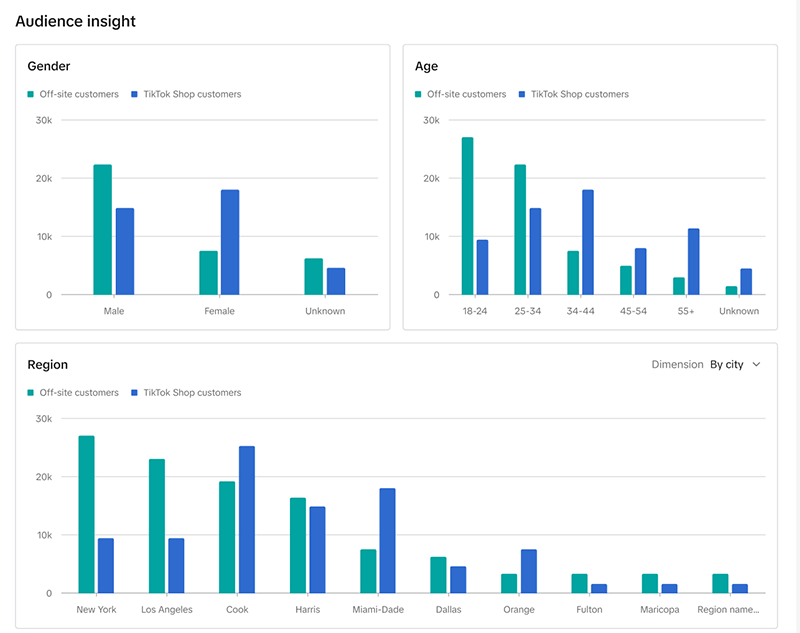
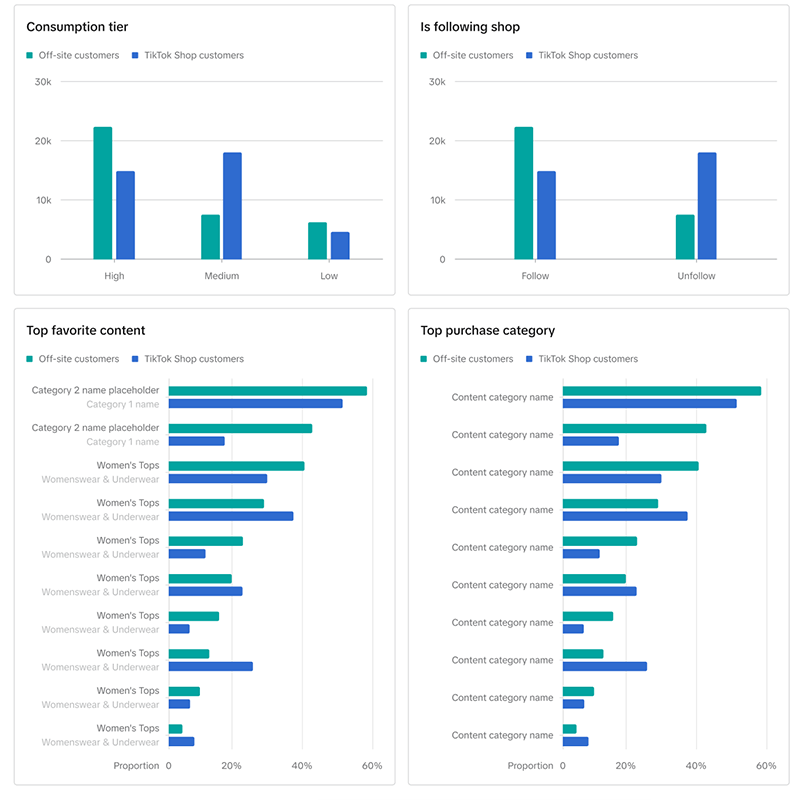
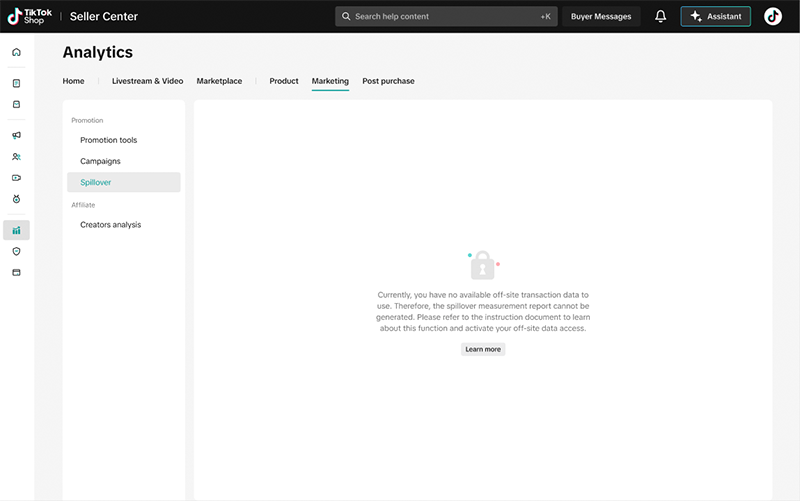
Long story short, in the past, TikTok's pixel basically just told companies if their ads were generating sales in the app itself. But with the enhancement, the pixel can also help companies follow users who see an ad when they leave TikTok and make a purchase elsewhere.
That probably means more companies will buy TikTok ads and the pixel will show up in more places
According to privacy-focused DuckDuckGo, TikTok trackers now appear on about 5% of the world's top websites, a figure that's been climbing steadily.
While that's far below Google's roughly 72% or Meta's 21%, the growth reflects TikTok's aggressive push to expand its advertising ecosystem.
The implications extend past harmless ads.
Accumulated data enables sophisticated profiling for personalized marketing, but it also risks subtler harms: manipulative sales pressure, tailored political messaging, dynamic pricing based on inferred vulnerabilities, or even broader societal issues around discrimination and civil rights. As privacy advocates point out, such information in algorithmic hands can exploit users in ways that feel coercive or unfair.
TikTok maintains that its practices align with industry norms, emphasizing transparency through privacy policies and user controls.
The company stresses that pixels help evaluate ad effectiveness, prohibits partners from sharing certain sensitive categories like health data, and notifies sites of potential issues. For those with accounts, options exist to manage or clear collected data; non-users can submit deletion requests via TikTok's web form.
Still, for people who have never engaged with the platform, this background surveillance feels particularly intrusive.
Fortunately, straightforward steps can significantly limit exposure without requiring major lifestyle overhauls.
Some of the things people can do to avoid being profiled, include:
- Switching browsers, and opt for privacy-focused browsers.
- Use dedicated extensions for stronger defense, which can prevent the TikTok pixel from loading on most pages.
- Use multiple personal identifiers. By using different emails and phone numbers for different services and websites, can complicate TikTok from properly linking these profiles.
While complete invisibility in the modern-days of the web is extremely challenging, but informed actions reclaim considerable control.
In an environment where tracking has become the baseline, choosing privacy-focused tools and mindful practices helps safeguard your most personal online moments from unintended eyes.