With the internet coming to more places, the technology becomes the popular way for many people to share contents.
Unfortunately, not all contents are good, as tech companies reported a massive increase in online photos and videos of children being sexually abused.
A record of 45 million illegal images and videos were flagged by tech companies in 2018 alone. This, according to a report by The New York Times, was more than double what tech companies found the previous year.
This exposes how the internet and its systems are unable to keep up with perpetrators.
"Those reports included over 45 million images and videos flagged as child sexual abuse."

"Twenty years ago, the online images were a problem; 10 years ago, an epidemic. Now, the crisis is at a breaking point," the agency said. "The images are horrific. Children, some just 3 or 4 years old, being sexually abused and in some cases tortured."
On its investigation, The New York Times found that underworld criminals have exploited the flaws that happened from the insufficient efforts to contain the explicit contents.
Just like hate speech and terrorist propaganda, tech companies have failed to adequately police their respective platforms to prevent such materials from being uploaded and shared. Or, they have failed to cooperate sufficiently with the authorities when they found it.
"Most tech companies have been quick to respond to urgent inquiries, but responses in other cases vary significantly," the report said.
And here, they pointed out Tumblr, Microsoft’s Bing search engine, and Snap, to be part of this problem.
Tumblr is already struggling to police its platform, whereas Bing was said to regularly submit reports that lacked essential information, making investigations difficult, if not impossible. And as for Snapchat, the platform popular with young people, often said that it has no additional information when asked by the authorities.
Facebook has also long known to have abusive images shared on its platforms.
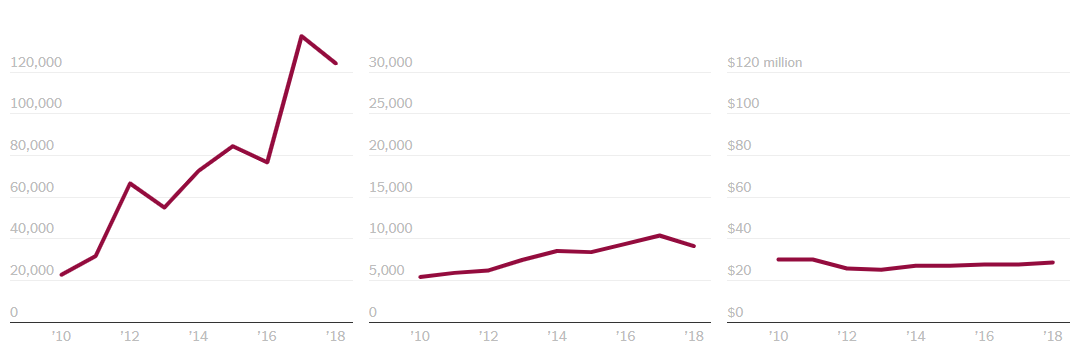
While tech companies are to blame for failing to police their respective platforms, the authorities themselves are also problematic.
According to experts, the authorities are expected to arrest more people for crimes related to child sexual abuse material. However, funding has not kept pace with the surge. This is because much of the money goes toward training new staff members.
Also because child abuse cases can take a heavy emotional and psychological toll on investigators, this resulted in constant turnover. Cases like these often get less attention because very few people really want to face the horror of viewing the contents, or facing mistakes when wrongly dismissing something.
Some lawmakers, judges and members of Congress have also refused to discuss these kind of problems in detail, or have avoided attending meetings and hearings when it was on the agenda, that according to interviews with law enforcement officials and victims.
Their reluctance to address the issue was because the cases were said to have gone beyond elected officials and was more into societal problems.
The internet is well known as a haven for hate speech, terrorism-related content and criminal activity, all of which have raised concerned and spurred public debate. But the problem of child sexual abuse cases face a particular hurdle on their own.
Not anymore that those kinds of contents are buried deep inside the dark sides of the dark web, like they used to, as many have surfaced to the surface web, where ordinary people using search engines and social media can come across.
This fact makes the materials more available.






















































































































































































































































































