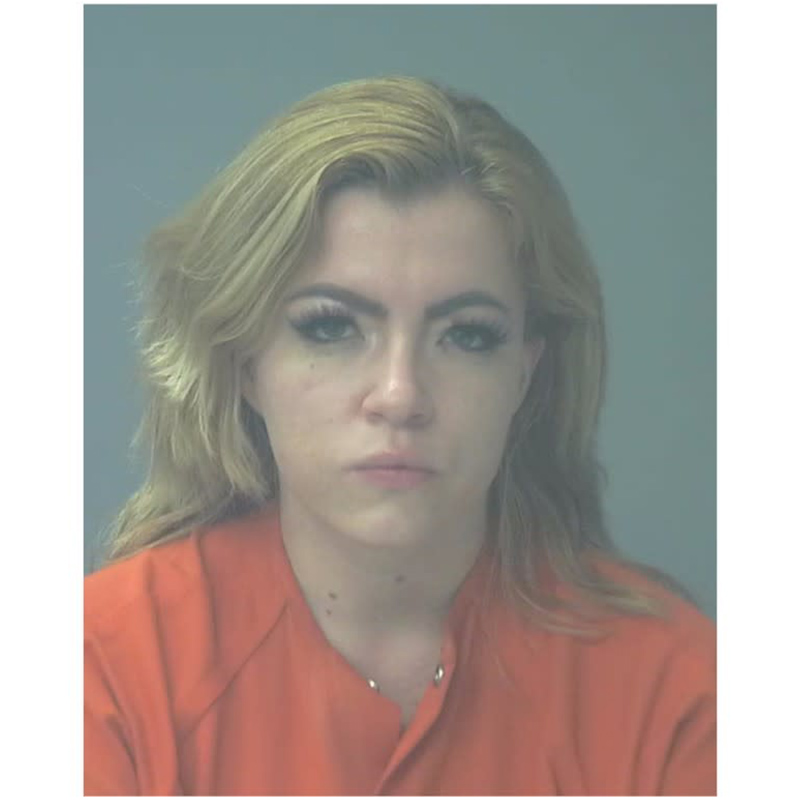
In the quiet community of Milton, Florida, a 24-year-old woman named Vallen Ada Marie Hrabb has found herself at the center of one of the most disturbing criminal cases to surface in Santa Rosa County this year.
Arrested on March 24, 2026, Hrabb faces a felony charges after investigators uncovered evidence that she had been using Snapchat to share and possess both animal sexual abuse material and child sexual abuse material. What began as a cyber tip from the National Center for Missing and Exploited Children back in August 2025 quickly unraveled into a forensic deep dive that painted a grim picture of Hrabb’s alleged activities inside her home at Ates Ranch RV Park on Jeff Ates Road.
The investigation traced a flagged Snapchat account back to Hrabb through IP records and social media matches.
When detectives executed a search warrant on January 7, 2026, they seized her laptop and cell phone.
Forensic analysis completed in February revealed multiple files containing child sexual abuse material, including content involving infants as young as four to six months old, as well as explicit videos of animal bestiality.
Hrabb allegedly admitted during questioning that random contacts on Snapchat had sent her the child pornography unsolicited after she visited adult websites, but she confessed to saving at least one image because, in her own words, she "probably had some sick twisted fantasy about it" before deleting it and mentioning the possibility of seeking therapy.
Even more shocking were her statements about the animal videos.
Hrabb told investigators that a male friend had introduced her to bestiality, which can be described as the act of engaging in any sexual activity or sexual contact between a human being and a non-human animal. It is also sometimes called zooerasty or zoosexual activity.
A related but distinct term is zoophilia, which refers to a persistent sexual attraction, fixation, or paraphilia toward animals (the desire or orientation). Bestiality specifically describes the physical acts themselves. Not everyone who commits bestiality has a deep zoophilic preference, as some acts occur opportunistically, out of curiosity, boredom, or other impulses, as seen in various cases.
In the U.S., bestiality is illegal and treated as a serious offense, often classified under animal cruelty or "crimes against nature" statutes.
But even by knowing that, Hrabb tried it, and said she liked it.
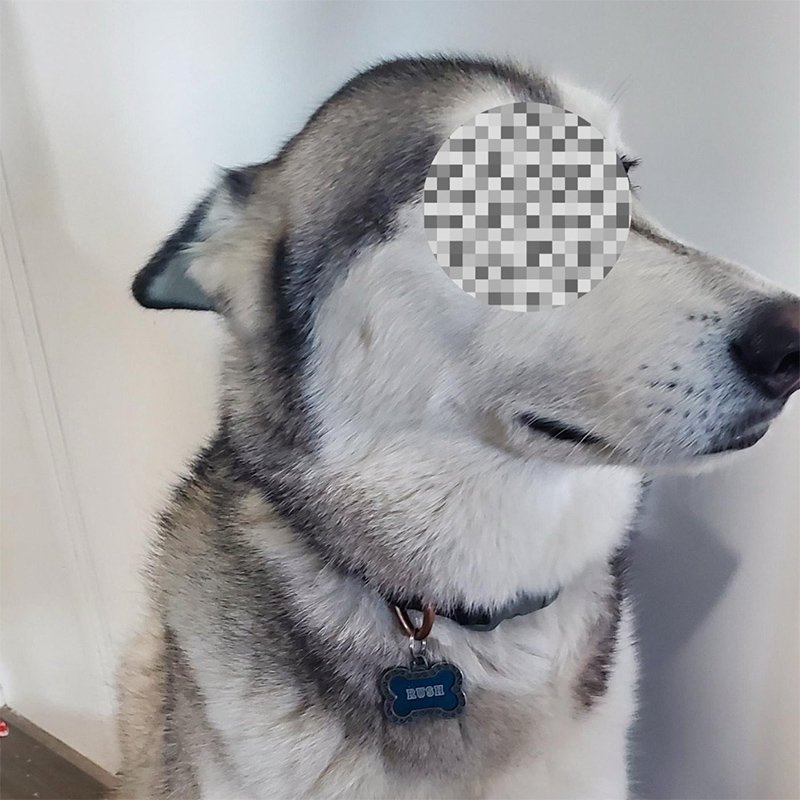
Boredom apparently became the trigger. She admitted to filming between five and seven videos of herself engaging in sexual acts with her own dog, a husky, including scenes where the dog had sexual intercourse with her. In those recordings, which multiple sources describe as showing the husky penetrating the woman who matches Hrabb's appearance and distinctive tattoo.
She claimed she performed the acts when she felt bored and then sent the videos to at least two other people through the same Snapchat account.
The sheer volume of charges reflects the evidence:
- 3 counts of sexual contact with an animal.
- 20 counts of filming or possessing images or videos of animal sex activity.
- 2 counts of possession or viewing of child pornography.
- 1 count of using a two-way communication device to facilitate a felony.
The case took another dark turn when, amid the ongoing investigation in January, Santa Rosa County authorities filed a civil petition and seized all nine of Hrabb's animals, two cats and seven dogs, including the husky involved from her property.
Reports noted the living conditions were cramped and filthy, prompting animal services to remove them for their safety.
Hrabb was booked into the Santa Rosa County Jail but was released late on March 25 after posting a $65,000 bond.
As conditions of her release, she is barred from any contact with minors and from using the internet, and she is scheduled to appear for arraignment on April 23.
When the news broke, Hrabb has not yet entered a plea, and like anyone accused in the American justice system, she is presumed innocent until proven guilty in a court of law.
Still, the details emerging from the arrest report have left many in the community reeling: stories of a young woman who allegedly turned to her own pet for sexual gratification on camera, shared those private horrors with strangers online, and kept images of infant sexual abuse on the same devices.
The intersection of animal cruelty and child exploitation in one case has sparked outrage across social media and local news, with many questioning how such material could circulate so freely on platforms like Snapchat before authorities stepped in.
As the legal process moves forward, residents in Milton and beyond are left hoping that the nine animals removed from her care are now safe and that the full truth of what happened inside that RV park home will come to light in court.
Unlike permanent-feed platforms such as Instagram, Facebook, or X, where content can linger, be algorithmically pushed to wider audiences, and more easily trigger automated detection systems based on hashes of known illegal material, Snapchat's core design revolves around ephemeral "snaps" that disappear shortly after being viewed.
This disappearing feature creates a powerful illusion of privacy and low risk, emboldening users to send explicit, taboo, or outright criminal material, whether unsolicited child pornography received from random contacts or self-recorded bestiality videos, without the immediate fear that it will remain traceable or publicly visible for long.
Screenshots can be attempted, but the app notifies senders in many cases, and the temporary nature makes it harder for casual observers or even some investigators to recover evidence after the fact.
Features like Quick Add and easy one-to-one or small-group messaging further lower barriers for strangers or loose networks to exchange such content quickly and privately, often outside the heavy moderation applied to public posts on other apps.
Law enforcement and child safety organizations have repeatedly highlighted Snapchat as a preferred channel for grooming, sextortion, and the trading of CSAM precisely because of these elements, with police data in multiple countries showing it accounting for a disproportionately high share of recorded grooming and exploitation cases compared to Meta-owned platforms or others with more persistent, searchable content.






















































































































































































































































































