In the bustling realm of Turkish social media, Kübra Ayku carved out a space all her own as a TikToker who blended humor, dance, and bold self-expression into content that felt refreshingly real.
Believed to have been born in the mid-1990s in Turkey, she grew up with a natural flair for entertaining others, which she later channeled into her online world, where she built a recognizable presence across TikTok, Instagram, and YouTube. With her striking presence, she quickly developed a devoted following by sharing snippets of everyday life laced with personality, from playful skits to energetic routines that showcased her love for movement and fun.
Her platforms became a window into a lifestyle that mixed aspirational moments. Among these recurring elements was her affection for her cat, Fıstık, who frequently appeared in her posts as a quiet but meaningful part of her life.
But what truly propelled Kübra into the global spotlight came in late 2023 with her viral "wedding without a groom" video, a moment that captured imaginations worldwide and helped push her TikTok account past one million followers while drawing hundreds of thousands more to her Instagram.
In 2024, her life ended tragically.

It all began during her staged wedding concept. Kübra dressed in a flowing white ball gown and a sparkling tiara, creating a full celebration surrounded by friends who cheered her on as she danced through the event, declaring with a mix of empowerment and humor that she simply could not find a worthy groom for herself.
In one especially memorable clip from that day, she playfully described herself as a nervous bride while eating a burger, turning what could have been a serious statement about self-love into something lighthearted and widely relatable.
The series resonated deeply because it flipped traditional expectations on their head, presenting the idea of self-commitment as an act of independence rather than settling for less, and it spread rapidly across TikTok and YouTube, where her content ranged from short comedic clips to more relaxed, personality-driven videos.
Fans connected with Kübra not just for the visual spectacle but for the sense of authenticity she conveyed. She presented a vibrant, carefree image that encouraged others to embrace their own paths.
Her most recent TikTok, posted on September 7, showed her quietly cleaning her apartment in Istanbul's Sultanbeyli district, a routine task that now feels eerily ordinary in the context of what followed.
Then, on September 23, 2024, at the age of 29, she was discovered outside the apartment after falling from the fifth floor.
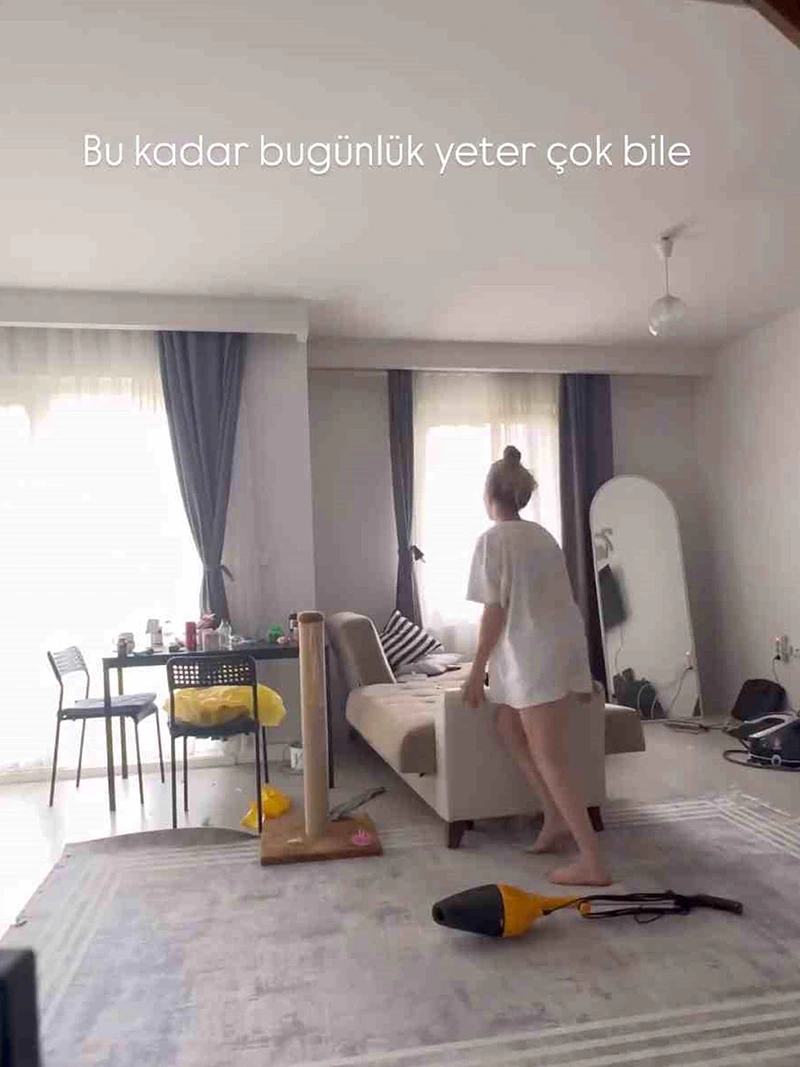
Emergency services were called to the scene, but she was pronounced dead there.
Authorities began an investigation immediately, focusing on whether the fall was accidental or intentional, though many outlets later described it as a suspected suicide.
Inside her apartment, reports state that officials found a written note believed to have been left by her. While the full contents have not been officially released, multiple sources say it reflected emotional distress and personal struggles in the days leading up to her death.
There were no widely reported signs of forced entry or third-party involvement, which contributed to the initial direction of the investigation.
The mental and emotional state of Kübra Aykut in the period leading up to her death can only be understood through fragments of what she shared publicly and what was later reported.
For example, in her final weeks, she began posting more openly about physical and emotional strain, particularly around her body. One of the most cited concerns was her statement about rapid, unexplained weight loss, where she said she was trying to gain weight but instead continued losing it day by day. While on the surface this sounds physical, it often signals deeper distress, especially when paired with language suggesting frustration, confusion, and a sense of losing control.
Beyond that, there was a noticeable tonal shift in her content.
Earlier videos carried a confident, playful energy, often centered around humor and bold self-expression.
Later posts, while still outwardly normal, began to feel more subdued and routine. This kind of shift is subtle but significant. It suggests someone maintaining a public persona while internally dealing with something heavier, a pattern that is common among highly visible online personalities.
Reports about a note found after her death describe themes of emotional exhaustion and inner conflict.
According to multiple outlets, the message reflected feelings of having tried to be good to others while struggling to extend the same care to herself, along with a sense that her efforts had not brought her the fulfillment she expected. It also pointed to a period of intense distress in the days leading up to her death, suggesting that what happened was not a sudden impulse alone but part of a deeper ongoing struggle.
Another layer to consider is the pressure tied to her sudden rise in visibility.
After her "wedding without a groom" videos went viral, she experienced a rapid increase in attention, scrutiny, and expectation.
That kind of exposure often brings a mix of validation and pressure. Audiences project meanings onto creators, and creators can feel the need to live up to the identity that made them popular. Maintaining that image, especially one tied to confidence and independence, can become psychologically taxing over time.
There is also the contrast between her message and her internal state.
Her viral content promoted ideas of self-worth, independence, and choosing oneself. If her private reality did not match that narrative, the gap between how she was perceived and how she actually felt could have intensified feelings of isolation. This kind of internal contradiction, where someone is seen as strong while feeling vulnerable, is a known source of emotional strain.
What stands out most is not a single defining issue, but a combination of factors. Physical distress, emotional fatigue, public pressure, and possible feelings of disconnection all seem to intersect. None of these alone fully explain what happened, but together they form a picture of someone who may have been struggling quietly while continuing to function publicly.
In other words, she hinted how she struggled following her wedding, sharing a glimpse of her inner state that existed beyond the screen.
Her sudden passing sent ripples through the influencer community and beyond, with tributes highlighting the energy and boldness she brought to her audience, while also underscoring the often unseen pressures tied to online visibility.
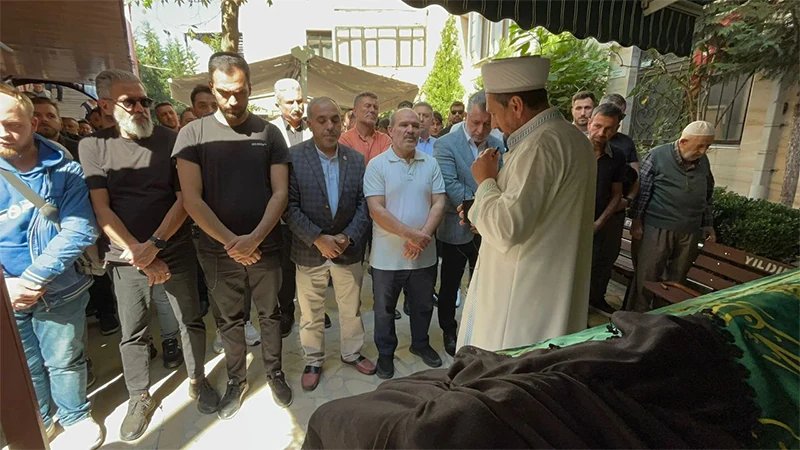
Laid to rest in Bursa, a city associated with her background, Kübra leaves behind a body of work that continues to spark conversations about self-worth, identity, and the emotional complexities that can exist behind curated digital lives.
Though her time creating content was cut short, the contrast between the defiant joy of her viral wedding concept and the vulnerability hinted at in her final days ensures that her story lingers as a reminder of how much can remain hidden beneath even the most expressive online personas.






















































































































































































































































































