With the internet, the world's information is literally a few clicks and taps away. And with this technology, people can communicate across borders with limited language barriers, with ease and speed.
But when it comes to politics, the internet has allowed sensitive matters to spread just as easy. And this encourages people with different opinions, to spread their thoughts, which led to misinformation. And here, social media networks are to blame.
Twitter for example, was found to show ads from state-sponsored media company to attack Hong Kong protesters. The company has since removed the ads, but the attempt continues on other platforms.
And this time, it's YouTube.
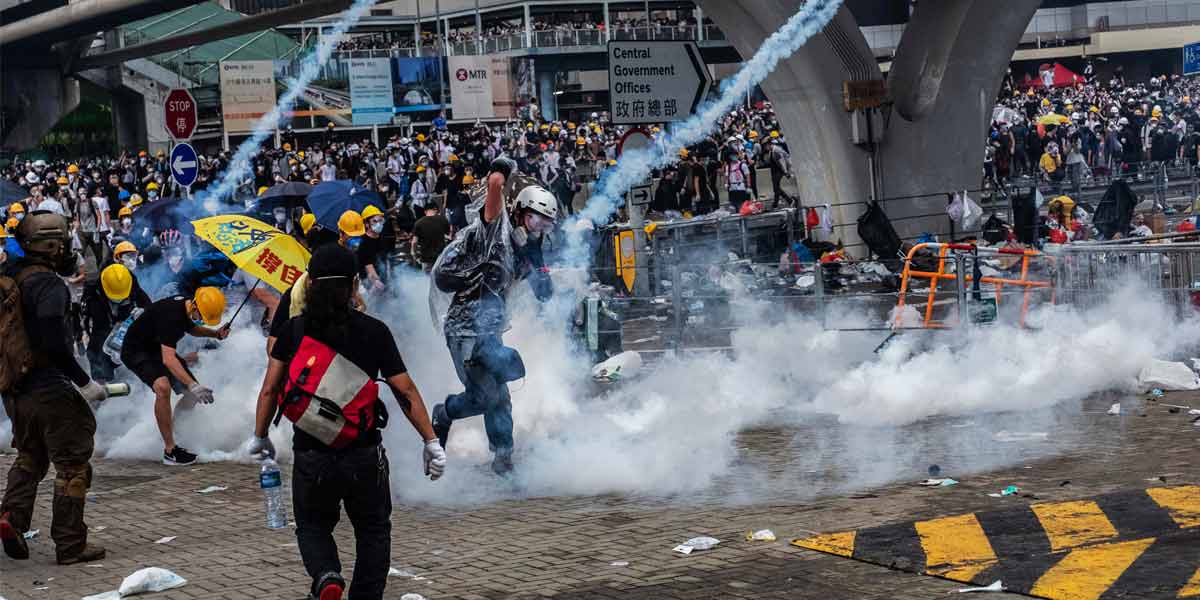
The streaming giant owned by Google, has disabled at least 210 channels that appeared to have spread coordinated influence campaign against pro-democracy protests in Hong Kong.
"We disabled 210 channels on YouTube when we discovered channels in this network behaved in a coordinated manner while uploading videos related to the ongoing protests in Hong Kong," said Shane Huntley, Google’s security threat analysis group in an online post.
"This discovery was consistent with recent observations and actions related to China announced by Facebook and Twitter."
Twitter and Facebook announced that they had suspended nearly 1,000 active accounts linked to a coordinated influence campaign, while Twitter said it had shut down about 200,000 more before these accounts could inflict any damage.
"These accounts were deliberately and specifically attempting to sow political discord in Hong Kong, including undermining the legitimacy and political positions of the protest movement on the ground," Twitter said, referring to accounts it shut down.
Facebook said some of the posts from accounts it banned compared the Hong Kong protesters with Islamic State group militants. These people use insults with animal names, like branding the protesters as "cockroaches" and alleged they planned to kill them using slingshots.
Hong Kong is in the grip of an unprecedented political crisis that has seen millions of people take to the streets demanding greater freedoms.
In the 2019 Hong Kong anti-extradition bill protests, in a series of demonstrations, the people of Hong Kong delivered their dislike of an extradition bill proposed by the government of Hong Kong. If enacted, the bill would allow local authorities to detain and extradite people who are wanted in territories that Hong Kong does not have extradition agreements with, including mainland China and Taiwan.
Some fear the bill would place people of Hong Kong and visitors under mainland China's jurisdiction, undermining the autonomy of the region and citizens' rights.
What began in March, the protests escalated to include more demands, like the release of imprisoned protesters, inquiries into police conduct, the resignation of Chief Executive of Hong Kong Carrie Lam and a more democratic process for electing Legislative Council members and the chief executive.
Making things worse, the protests have attracted violent confrontations, between police, activists, pro-Beijing members, and local residents in over 20 different neighborhoods throughout the region.
China has warned they may be prepared to deploy force to deal with the incidents, and likened some of the protesters to "terrorists".






















































































































































































































































































