The Israel Defense Forces, or simply called the IDF, formally the Army for the Defense of Israel, isn't just a military body.
This is because the IDF is a deeply political institution interwoven with Israeli society, security doctrine, and national identity. The IDF maintains some of the most tightly coordinated communications, censorship, and public-relations units among modern militaries. But that strength also gives rise to accusations and concerns, especially from critics and human rights groups, arguing that the IDF sometimes controls narratives as tightly as it controls operations.
And this time, a remarkable (and troubling) episode played out within the legal echelons of the IDF: Yifat Tomer‑Yerushalmi, the Military Advocate General (MAG) since 2021 and one of the highest-ranking officers in the IDF, tendered her resignation after acknowledging she had approved the release of the footage to the media, which critics and investigators described as an unauthorized leak.
What makes this episode striking is the convergence of institutional accountability, wartime ethics, and public disclosure, all in one.
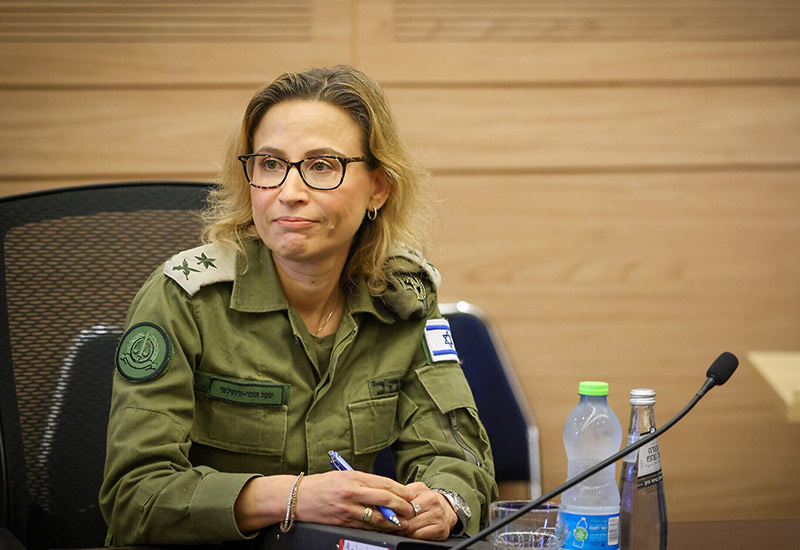
As a MAG, Yifat Tomer‑Yerushalmi role wasn't merely a legal adviser to the IDF.
The high-ranking officer was the chief enforcer of military justice, tasked with ensuring the IDF’s actions comply with domestic law and international norms. When that office becomes the center of a leak scandal, and the official at its head admits responsibility, the ramifications ripple far beyond one case.
According to Israeli media, it all began back in July 2024, when a suspect from the Gaza Strip was brought to Sde Teiman, a field detention site in southern Israel that has been heavily criticized for its conditions and oversight.
The suspect had reported severe injuries.
Later, a video released publicly in August showed what appeared to be Israeli soldiers surrounding a blindfolded detainee with riot shields, reportedly assaulting him, including anal penetration with an object, causing broken ribs, internal tears and lung injury.
The leak occurred during a period when five reserve soldiers were indicted in February 2025 for "severely abusing" the detainee.
The indictment followed earlier investigation by the Military Police.
At first, it was all just speculation.
In times of war, truth itself becomes a casualty, where every statement, every video, could just as easily be genuine or fabricated, twisted by opposing sides. The battle for information and perception can be as fierce, and as ruthless, as the one fought with weapons.
However, the footage was confirmed to be real.
First aired on Israeli television (Channel 12) in August 2024, it quickly ignited outrage domestically and internationally.
The Israeli Prime Minister called the video "perhaps the most serious public-relations attack Israel has experienced since its founding," and could be one of the most damaging images for Israel's reputation. And because of the nature of the video, both the IDF and the Israeli government have found themselves under pressure from rights groups, media and global observers.
Tomer-Yerushalmi, however, stated in her resignation letter that she had approved the release of the material "in an attempt to counter false propaganda directed against the military law-enforcement authorities."
In her view, withholding the video risked enabling the narrative that the IDF was negligent or complicit in detainee abuse. Her logic: transparency (or strategic disclosure) might bolster institutional legitimacy.
But she was wrong.
Now that the video is circulated for anyone to see, the case triggered internal investigations.
The IDF, long adept at managing the public dimensions of sensitive operations, now faces accusations of opacity and narrative control. But whether this leak is part of a manipulation or defense of state interest depends entirely on where its foot is at.
Whether it's political, or ethical.
Israel’s Military Police and the national police launched a joint investigation into whether classified material was released and whether senior officials had misled oversight bodies, specifically whether classified material had been released, whether there was a cover-up of the internal investigation, and whether senior officials had misled the High Court or other bodies.
Read: The Leaked Photos Of Sabrina Harman, Showing The Inhumane Side Of The U.S. Specialist In Iraq
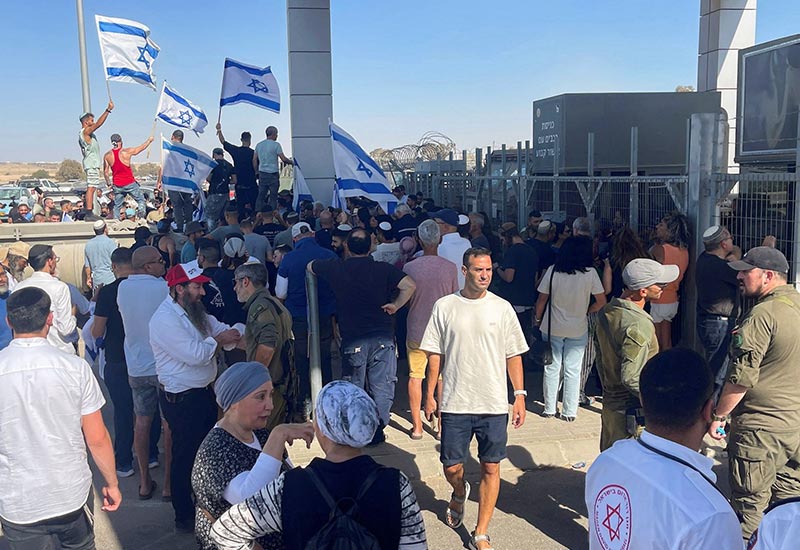
The case is unlike anything before because it intersects different dimensions. From ethical, legal, strategic, and also reputational.
Ethically, the case underscores the tension between wartime conduct and legal constraints.
The MAG’s office is supposed to act as guard-rail, ensuring detainees receive rights, that investigations into alleged abuse are robust, and that soldiers are held accountable. That the MAG herself authorized a leak of potentially sensitive material suggests the system perceived itself as under siege, balancing deterrence of misconduct with protecting the institution.
Legally, her admission raises questions of chain of command, classification, disclosure and internal oversight. If the leak was authorized, was it lawful? Could it have prejudiced the soldiers’ fair-trial rights? Did the internal investigation satisfy obligations under military law? Media and legal scholars note that the downgrading of charges in the case (from rape to "severe abuse") may reflect institutional limits.
Amid the scandal, Tomer-Yerushalmi then went missing.
The authorities revealed that they were searching on land and in the sea with flares and helicopters for the IDF’s former top lawyer, after her family had reported her missing to the police. The large search, involving police, rescue forces, and the military, was carried out after she was unreachable for several hours, and her car was later found at Hatzuk Beach near Tel Aviv.
Hebrew media outlets reported that she had left a letter at home, which some characterized as a “suicide note.”
After some two hours of searches, Tomer-Yerushalmi made contact with her husband and was located alive and well along a beach in nearby Herzliya, according to the police.
Police had reportedly tracked her personal phone number to the area, but were still unable to find the device itself as of late Sunday night.
A police source speaking to Channel 12 told the outlet that "at this moment it is not known to us where her personal phone is. We understand that it has ‘disappeared.'"
What propelled the leak into a full criminal inquiry, according to reporting, was a failed polygraph by an officer in the Military Advocate General’s office; the polygraph’s findings were passed through security channels and prompted the attorney-general to open a police probe into how the footage reached the media.
The investigation has since focused on whether classified material was improperly disclosed and whether internal channels were bypassed or misrepresented.
Those investigative details remain subject to official proceedings.
Strategically, for Israel’s military and government, the reputational blow is serious.
The clip became a global talking point about detainee treatment and Israel’s compliance with international humanitarian law. The PM’s characterization of the event illustrates how a single video can shape public diplomacy.
Institutionally, this incident signals internal stress.
When the military’s top legal officer authorizes the public release of evidence to defend her institution’s credibility, it exposes an unprecedented internal strain.
It suggests the MAG’s office perceived external narratives as threatening enough to justify extraordinary action.
And that in turn can erode trust in the military justice system from within and without.






















































































































































































































































































