From the very announcement of the It prequel series, fans braced themselves. The territory is sacred: Stephen King’s 1986 novel is a sprawling epic of childhood trauma, small-town evil, and cosmic horror, while the 2017–2019 film adaptations reached massive audiences and box-office heights.
Set in 1962 Derry, Maine, It: Welcome to Derry brings back Pennywise (played once again by Bill Skarsgård) and the creative team from the films. The hype was inevitable. The fandom whispered: could this series finally unlock the origins of Derry’s horror? Could it deepen the mythology that’s haunted audiences for decades?
In many ways, it does.
The atmosphere is rich and the 1960s setting adds creative texture, grounding the supernatural dread in a time of social tension and repression. The scares land best when they’re subtle, uncanny, and patient.
But that same ambition: to be revelatory, faithful, and expansive, also weighs heavily on the story. Expectations this high can elevate a project, but they also magnify its flaws.
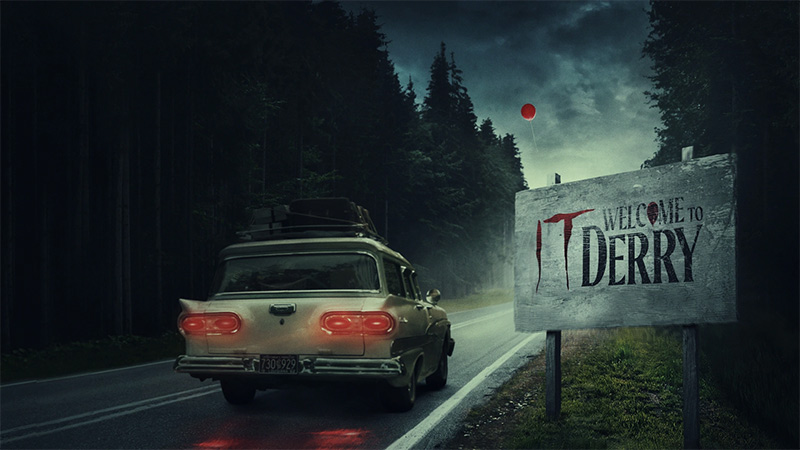
It: Welcome to Derry opens not with a scream, but with a whisper. And the internet loves it, and hates it.
For anyone familiar with King’s world, Derry is never what it seems.
The series peels back the surface of small-town nostalgia to expose something ancient and festering underneath: a mythology that stretches far beyond the Losers’ Club or a floating red balloon. It’s not just about scares anymore; it’s about the lore, the cycles of fear, the origins of evil, and the town’s willful blindness.
Online, that’s exactly what has everyone talking.
Horror fans and King devotees dissect every frame, poster, and line of dialogue. The consensus? The show feels like a descent into Derry’s subconscious: a town haunted not just by a monster, but by its own history.
On Reddit and YouTube, theories bloom like mold: that Pennywise isn’t a mere creature but a cosmic parasite; that Derry itself is alive; that every tragedy in town history was orchestrated by something far older than memory.
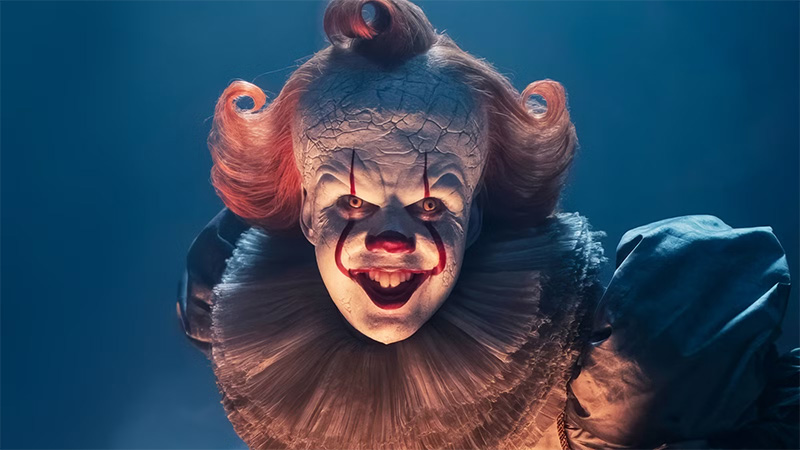
The internet doesn’t just watch It: Welcome to Derry, it excavates it.
One of the most magnetic threads is the 27-year cycle.
That rhythm of awakening and slumber, of feast and famine.
In King’s universe, it mirrors how trauma resurfaces: Derry forgets its pain until it bleeds again.
The show makes that metaphor literal, using the 1960s backdrop to explore not only supernatural horror but also racial tension, moral decay, and collective denial. Pennywise becomes a symptom of the town’s sickness, and perhaps, as many fans speculate, its guilt is what feeds him.
Another obsession online is the turtle, Maturin, the mythic being representing balance against It.
Sharp-eyed viewers have spotted turtle motifs hidden throughout: etched into sidewalks, carved into wood, half-glimpsed in the sewers.
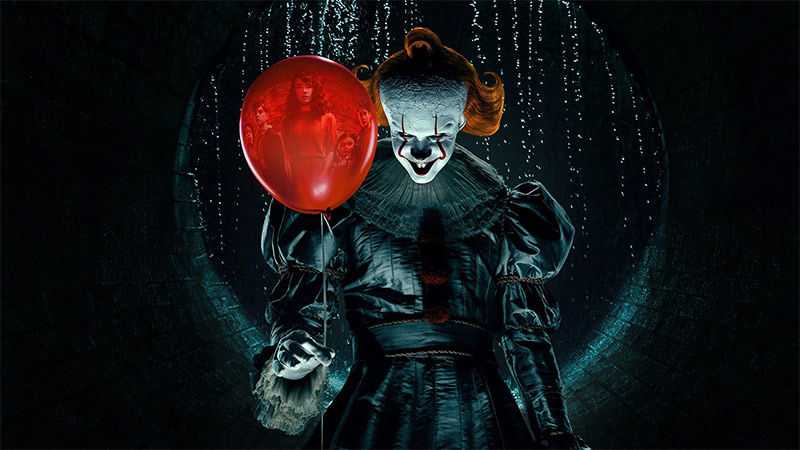
These small details send lore-hunters spiraling into cosmic theorycrafting. The question is no longer “What is It?” but “What created It, and what else lurks beyond?” For many, the interpretation leans almost theological: a cosmic duel between creation and chaos, with Derry as the battleground.
There’s also the thrill of connection.
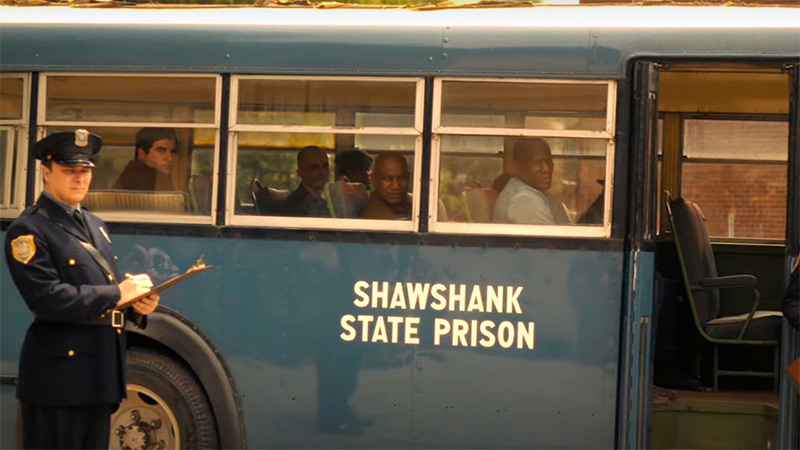
The series teases links to The Shining, The Shawshank Redemption, and other corners of King’s vast mythos. Fans eagerly map out those connections, transforming It: Welcome to Derry into a new hub for King’s multiverse.
Diagrams circulate online tying Pennywise to the Crimson King, the Dark Tower, and every haunted inch of Maine.
It’s speculative, but that’s the fun. The fandom’s curiosity has become part of the story’s lifeblood, feeding on mystery the way Pennywise feeds on fear.
And because Stephen King gave the green light and let the producers approach the show without imposing any kind of guidelines, the result is a series that gives a much more in-depth look into the killer clown's origins and deprived psyche, something that hasn't been unearthed before on screen, nor in the novels.
According to the director, Andy Muschietti, he said to King that It is already a mysterious character, and that in the books, it's a puzzle made to be left unsolved intentionally.
"And we’re going to create a lot of stuff to bring those enigmas, and also to fill in the gaps in the puzzle. Eventually, this creates a story that’s not in the book. It’s a hidden story," he said.
Yet with all this world-building, cracks start to show.
The narrative juggles too many threads, and as a result, creates too many plot holes and cluttered storylines.
From outcast kids investigating disappearances, a new family settling into town, secret military experiments, and countless Easter eggs. The desire to “see everything” may have encouraged the writers to pull in too much, and the coherence suffers.
The military’s involvement opens a floodgate of questions: How many officials know about Pennywise? Why haven’t they warned Derry’s citizens? If Pennywise is a government asset, does he report back during missions?
And because the government is aware of its existence, questions like: Are there Pennywise files tucked away somewhere in Area 51? Then, there is the question about: Why didn't the U.S. just drop a bomb to obliterate the city?
After all, if the U.S. government and military know about a transdimensional, shape-shifting murder clown living in the sewer system, why did they let him be?
If they stopped Pennywise back in the 1960s, no more children would be killed by this clown every 27 years.
When a prequel tries to explain too much, it risks unraveling the unknown, the very thing that made the original so haunting.
Some critics call out “underwritten characters, an overreliance on CGI, and too many clichés,” arguing that the show stretches King’s mythos thin.
Others, though, find beauty in the attempt, a series unafraid to expand the universe, even if it stumbles.
The real tension lies between illumination and shadow: fans who want answers and fans who beg the creators to leave certain horrors untold. “Don’t explain It,” one viewer wrote. “Just let It be.”
That sentiment has become a quiet rule of the fandom: horror dies when everything is explained.
#ITWelcomeToDerry premieres Sunday at 9pm on HBO Max.@hbomax @HBO @IT_Official pic.twitter.com/xpWycfYv6J
— Stephen King (@StephenKing) October 25, 2025
Ultimately, that’s what defines the internet’s perception of It: Welcome to Derry: not just excitement, but participation.
Viewers have become detectives, theologians, archivists of fear. The show feeds them symbols and history; they, in turn, weave legends of their own. Derry isn’t just a town, it’s a collective dreamspace where memory, horror, and fandom converge.
And as the story continues to unspool, one truth becomes clear: the deeper people dig into its lore, the more they realize that some nightmares, like Pennywise, were never meant to rest.
In the end, It: Welcome to Derry is both a gift and a cautionary tale.
IT is everywhere. #ITWelcomeToDerry premieres this Sunday on HBO Max. pic.twitter.com/oTzQre8R7T
— IT: Welcome to Derry (@ITMovieOfficial) October 24, 2025
Its ambition to satisfy every kind of fan, horror-lovers, lore-seekers, King purists, is what makes it grand, but also fragile.
The more viewers see Pennywise, the less terrifying he becomes; fear thrives in the shadows.
Still, for all its imperfections, the series succeeds where it matters most: it makes people talk. It reminds the world that Derry’s story, and its monster, still have power, even after the lights come on.


