Japan is known for many things. It has long been the treasure trove of wonders, rich in history and culture, and widely praised for its cutting-edge technology and breathtaking natural landscapes.
What it is not known for, is being a sex tourism city.
Japan, like many other countries, has a complex relationship with sex work. While sex tourism is illegal, and that it does have some areas that attract tourists for adult entertainment, especially in major cities like Tokyo, Osaka, and Roppongi, some aspects of the industry remain present, albeit often under a veil of legality.
In the past, prostitution in Japan primarily catered to Japanese men, and Japanese men were also frequent sex tourists to other parts of Asia.
But this is slowly shifting, partly due to the economics, and partly due to internet pornography.
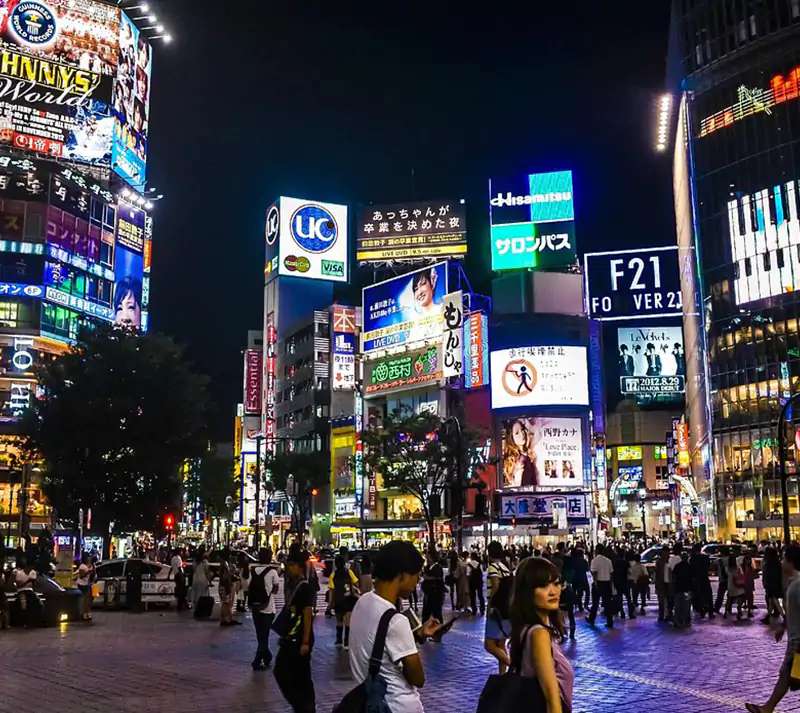
Sex tourism refers to the practice of traveling to another country with the primary intention of engaging in sexual activities, often with individuals who are economically disadvantaged.
It typically involves foreigners seeking out sexual services, which may be in areas where the local population faces economic hardship.
This phenomenon is commonly associated with people living in more developed countries, or richer nations, visiting less developed, or developing countries, or poorer nations, where the gap between local income levels and the wealth of foreign visitors creates an environment in which sexual services are more readily available and sometimes commodified.
During Japan's prosperous economic boom, it was common for Japanese men to travel abroad, seeking illicit encounters with women from poorer nations.
Thailand, for example, has long been associated to sex tourism hub in Asia. Pattaya in particular, as long been considered one of the most notorious sex tourism destinations globally
At this time, reports suggest that Japan is seeing a dramatic shift in sex trade, with a huge surge of foreign men flocking to Tokyo, looking for casual sex.
Meanwhile, local women who are caught in a cycle of desperation, have become the suppliers of the increasing demands.
Yoshihide Tanaka, secretary general of the Liaison Council Protecting Youths (Seiboren), offered a view of the situation.
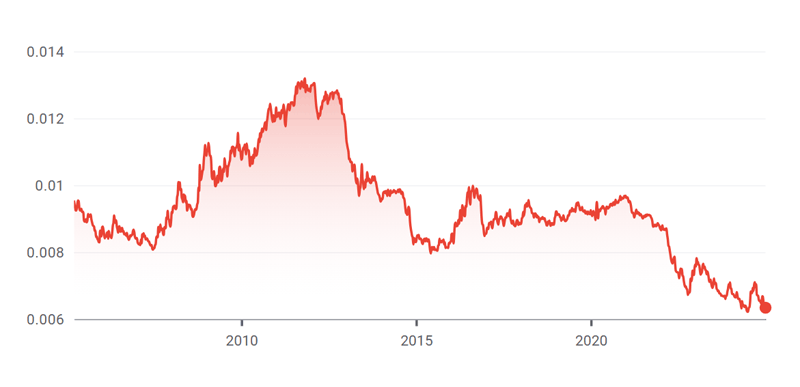
“Japan has become a poor country,” he told This Week in Asia at the organization’s offices.
In a nearby park, known as a hotspot for the city's sex trade, young women can be seen wearing skimpy outfit, waiting for customers well before nightfall.
Tanaka’s organization has observed a noticeable increase in foreign visitors to the area ever since pandemic-related travel restrictions were lifted.
“But now we are seeing a lot more foreign men,” he said. “They come from many countries. They are white, Asian, black – but the majority are Chinese.”
The cause of this, in particular, can be attributed to Japan being an affluent country with a high cost of living, and the weakened yen have created a growing poverty. This in turn creates regional economic disparities can make certain services cheaper for foreigners.
And this includes sex.
Visitors from wealthier countries may find Japan’s adult entertainment options more affordable compared to their home countries and as a result, Japan has become one of their destination for a mating ground.
"The reality is that Japan has become a country where foreign men can obtain young women and essentially buy sexual services," said Kazunori Yamanoi of the Constitutional Democratic Party of Japan, the country's main opposition party. He has long advocated for laws regulating the sex-work industry.
"This is no longer just a domestic issue," he said. "It's a very serious problem regarding how Japanese women are perceived in the international community."

And this, apparently, is also caused by how the internet portrays Japan in adult entertainment.
Japan’s adult entertainment industry, particularly Japanese Adult Video (JAV), is one of the most well-known and influential sectors of its kind globally. Over the years, Japan has developed a unique and highly profitable adult entertainment culture that has attracted a diverse international audience, with viewers from around the world consuming its products.
From JAV highlighting Japan's cultural uniqueness, which can include a focus on modesty, subtlety, and often a more softcore approach compared to the explicitness of Western adult films, JAV has also introduced a lot of new terms that Western adult films eventually copy.
Not to mention the aesthetic and fantasies that are unique to Japanese culture, such as teacher-student dynamics, bondage, role play, gangbangs, and idolization of actresses.
Because of this, the unique blend of cultural elements, aesthetic appeal, and distinct sexual themes have helped Japan's adult films stand out on the world stage.
As a result, JAV on the internet played a significant role in shaping the global adult entertainment landscape, and its influence extends beyond the screen.
Many foreign men are attracted to Japanese women because of the portrayal of them in JAV as submissive, innocent, or cute, often in power-dynamic-driven or roleplay-themed scenarios. This perception is influenced by the idol culture in Japan, where actresses in JAV often start as models or singers, lending an air of purity or innocence to their on-screen personas.

This is creating a notable impact on sex tourism, by attracting foreign men to the country who are seeking to experience the same fantasies, atmospheres, and scenes they’ve encountered in JAV.
For some of those men, JAV offers an idealized and exoticized view of Japanese women, leading them to seek out sex tourism opportunities to meet women who fit the fantasy they’ve seen in these films.
JAV films have become a major cultural export, making Japan’s adult entertainment culture known worldwide. Foreign viewers, particularly those from Western countries or nearby Asian regions, often find themselves drawn to Japan because of the unique cultural aspects of JAV. They may want to experience the real-life version of the fantasies they’ve seen on screen, whether it’s engaging with Japanese sex workers, visiting adult entertainment districts, or attending sex-related events.
And because Japanese adult entertainment on the web has often been exaggerated as the depictions of Japanese sexuality, this helped shape the image of Japan as a sex tourism destination.
Japanese pornography can create the expectation that Japan has a certain kind of sexual allure that viewers want to experience in person.
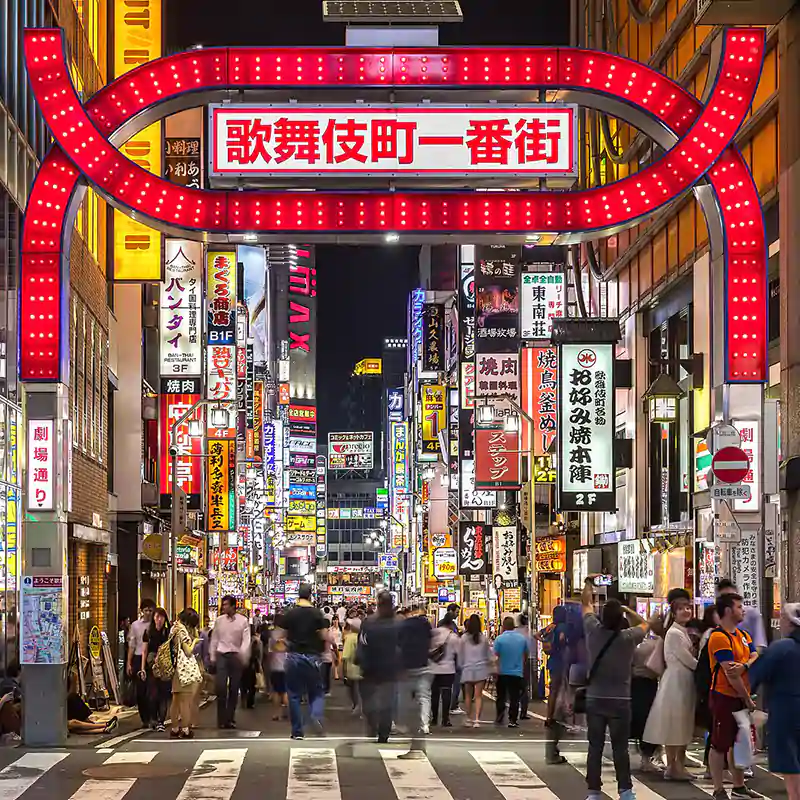
This perception is enhanced by Japan’s reputation for sex tourism areas like Kabukicho in Tokyo and Roppongi, which cater to both local and foreign tourists looking for adult entertainment.
But again, just like everywhere else in the world, Japan is facing trouble dealing with this.
Sex tourism is almost synonymous with exploitation and human trafficking. Just like in other countries, sex tourism in Japan has the potential to exploit vulnerable people, especially women working in sex industries.
And because JAV on the internet is creating a significant influence on sex tourism in Japan by shaping both the perceptions and expectations of foreign tourists, JAV that creates a cultural export that fuels demand for real-life experiences in Japan, can also lead to a misguided view of Japan’s sex industry.
So here, while adult entertainment is Japan is regulated, Japan in becoming a sex hub raises ethical issues, including exploitation, unrealistic expectations, and harmful stereotypes.
In Japan, prostitution is defined as the act of providing sexual intercourse for money, is technically illegal under the Anti-Prostitution Law of 1956 (売春防止法, Baishun Bōshi Hō). It's stated that buying and selling sex for money is illegal, but the ban is limited to penetration only. The anti-prostitution law imposes a criminal punishment of up to six months in prison and a fine of up to ¥10,000, but only for the seller and not the buyer.
As a result, certain services like "companion" or "massage" or "soaplands" services exist and thrive, but all in a legal grey area.
Businesses often skirt the boundaries by offering non-sexual services, even though coitus may take place.
The law also creates loopholes and exceptions, like because it specifically targets unsolicited street prostitution and brothels, but private agreements between consenting adults are not explicitly banned. This has led to the rise of "compensated dating" (enjo kōsai) and escort services that frame their business as providing companionship or non-penetrative services.
Long story short, prostitution itself is illegal, but the law doesn’t always cover everything related to the sex industry, and there are several types of establishments and services that remain prevalent:
Mizu shōbai in Japan comes in many shades of grey.

The difficulty doesn't just end there, because thanks to social media, as well as dating apps, it's becoming a lot easier for anyone to look for paid sex, including escort services.
"Okubo Park is becoming part of the tourism experience for foreign visitors," said Kazuna Kanajiri, a representative of Paps, a nonprofit that offers support to victims of sexual violence.
"In Kabukicho, anyone (women) walking around is approached by people trying to recruit them for sexual activities. And yet there is no effective measure in place to address this situation."
Just like elsewhere, government agencies are expected to raise awareness about the dangers of sex tourism, unprotected sex, human trafficking, and the negative impact sex tourism on local communities.
Campaigns should be able to educate both locals and tourists on the ethical concerns surrounding sex tourism.
Not to mention that there are many stories where the police being uncooperative in helping tourists trying to file crime reports, after they've been scammed in red-light districts.
Also, supports for individuals involved in the sex trade and abuse should also be present.
This is needed because sometimes, female sex workers could experience nonconsensual sex acts and physical violence. Not to mention that there were cases like when clients refuse to pay, or demand a refund, when they failed to orgasm, or when they were not allowed to ejaculate on certain parts of the female's body.

Sex tourism remains a significant issue that is intertwined with economic inequality, poverty, and social exploitation.
While the situation around sex tourism and prostitution in Japan is nuanced and not as openly advertised as it might be in other countries, the dynamics of richer countries traveling to poorer ones for sexual services reflect global economic disparities and the exploitation that can arise from them.
It's worth noting that foreigners often come in group, and sometimes, they have an interpreter to help them negotiate. As for the women, who are mostly young, prefer foreign nationals, not only because they can increase the price, but also due to fear that Japanese customers may turn out to be undercover police officers.
According to various reports, about 80% of the women arrested for providing prostitution are in their 20s.
Read: The Case Of A Dead Man Inside A Japanese Female Toilet: Viral 3 Decades After It Happened






















































































































































































































































































