With the internet, the world's information is literally a few clicks/taps away. Using various search engines for example, students can get hold of the materials needed for their studies, to even more than their minds are capable of learning.
As a matter of fact, the internet holds much more information than the world's libraries, let alone a student library.
This is why students, especially those who grow up with the internet, are getting more reliant on the web for information. Knowing that there should be someone who had previously finished the materials, students may as well learn and copy existing works of others.
They may go as far as downloading free and pirated contents, in which according to researchers at Kaspersky Labs, can be full of malware.
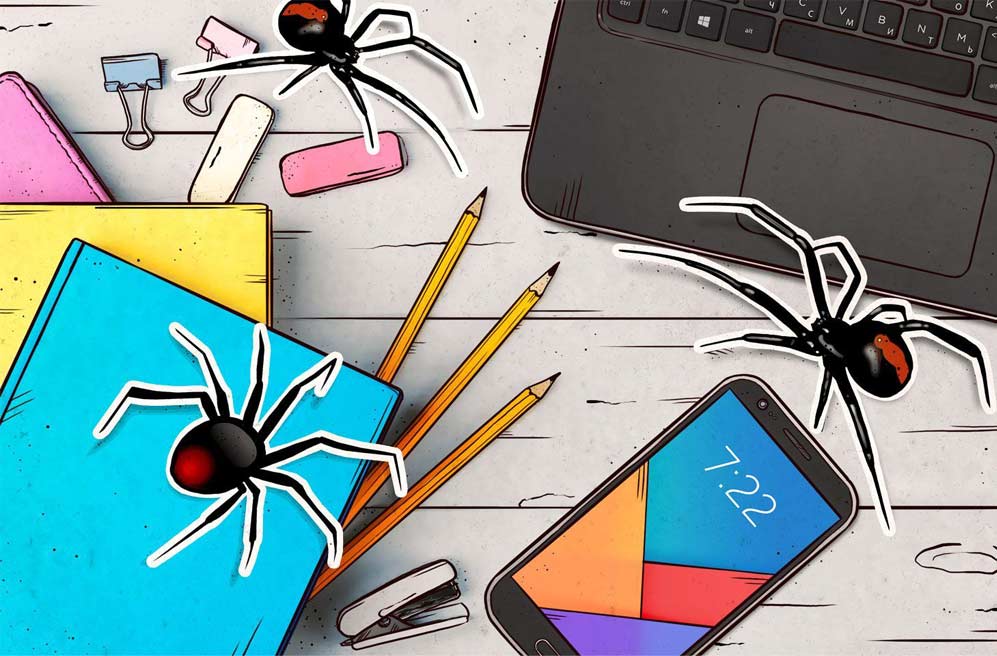
The Russian cybersecurity and antivirus provider also noted that more than two-thirds of these incidents involved the download of essays. And as for the remaining third, they came from pirated textbooks.
Kaspersky broke the latter category down, showing that English textbooks were among the most common type of infected academic text. Math textbooks were close behind, followed by literature course material.
"Criminals also targeted less popular subjects. We have come across malware masquerading as textbooks in the natural sciences," the researchers continued.
Kaspersky also broke down the type of malware bundled with pirated texts. The most commonly identified malware was the Stalk worm, which propagates across local network and via USB flash drives, and is often the precursor to more serious attacks.
"If in your search for study materials you find yourself on an unscrupulous website and try to download something from there, you risk encountering just about any type of malware," said the researchers.
"However, certain types of threats are distributed in this way more than others. Here are the four most popular malware types that are the most frequently distributed under the guise of study materials."
For students to protect themselves from malicious ‘textbooks’ and ‘essays’, Kaspersky suggested that
- Search for books they need in physical libraries, if possible.
- Always pay attention to what type of website is hosting the textbook. Do not visit websites that are full of flashing ‘download’ buttons or that require them to install a downloader first.
- Do not use outdated versions of operating systems and other software.
- Be critical of email attachments, including ones that are sent from acquaintances. If a friend suddenly sends an essay without being asked, then this is a reason for suspicion.
- Paying attention to the extensions of files. When downloading a document but comes with an EXE for example, students should not open this.
- Use a reliable computer security solution.
Kaspersky's report here isn’t particularly surprising, considering that PDF and Word files have long been weaponized by malicious actors to spread malware.






















































































































































































































































































