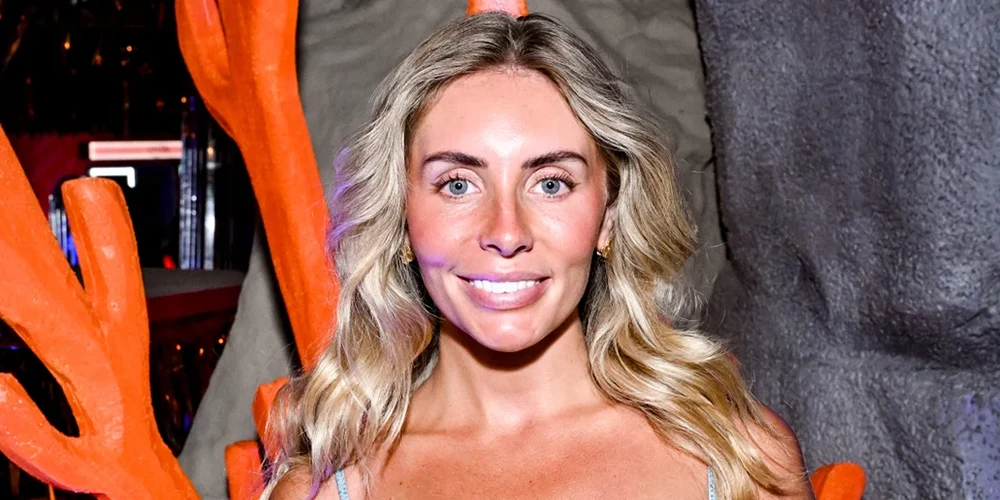
It's somehow common for someone to be an admirer of a celebrity. They may go to an extent to behave like the role model, or even dress and talk like them.
It has been considered a normal teenage behavior for teenagers to have plastic surgery in order to look like their favorite celebrity, or sometimes to look like a Photoshopped image of their favorite selves.
At that time, most people seeking facial plastic surgery wanted a procedure called a rhinoplasty, which is a common nose job that shaves down the hump on the bridge of some noses.
But as the internet goes to more places and mobile devices become common, social media has created another trend that somehow worries many people.
Teenagers want to look the way they look with Snapchat filters. And many of them are willing to undergo plastic surgery to make this possible.

Snapchat dysmorphia was first coined by dr. Tijion Esho, a cosmetic doctor known for aesthetic medicine and non-surgical procedures. The term Snapchat dysmorphia itself has been around since 2014.
One major aspects of Snapchat dysmorphia is the pursuit of unachievable "perfection."
Just like the general body dysmorphia, Snapchat dysmorphia is described as a type of obsessive-compulsive disorder characterized someone obsessing with the idea that some aspect of his/her own body part or appearance is severely flawed.
As a result of this dysmorphia, there was a rise of plastic surgery demands to increase lip size or eye size, and the way the proportions of the face are organized, The broader of this Snapchat dysmorphia trend goes toward greater facial symmetry, because these people see a glimpse of "perfection" when using the app.
"Previously patients would come into clinics with pictures of celebrities or models they admired and wanted to look like," explained dr. Tijion Esho.
"But with the introduction of social platforms and filters ... more and more patients come into clinics with filtered versions of themselves as the goal they want to achieve."
This is because teenagers can’t escape "the Truman effect" because from birth, these young adults are born where social platforms put their feelings of self-worth based on the number of likes and followers that they have, which is linked to how good they look or how great these images are.
"These images are now readily accessible and judged, whereas before we had to see images via magazines or TV. We now see them daily via social platforms, making us more critical of ourselves."
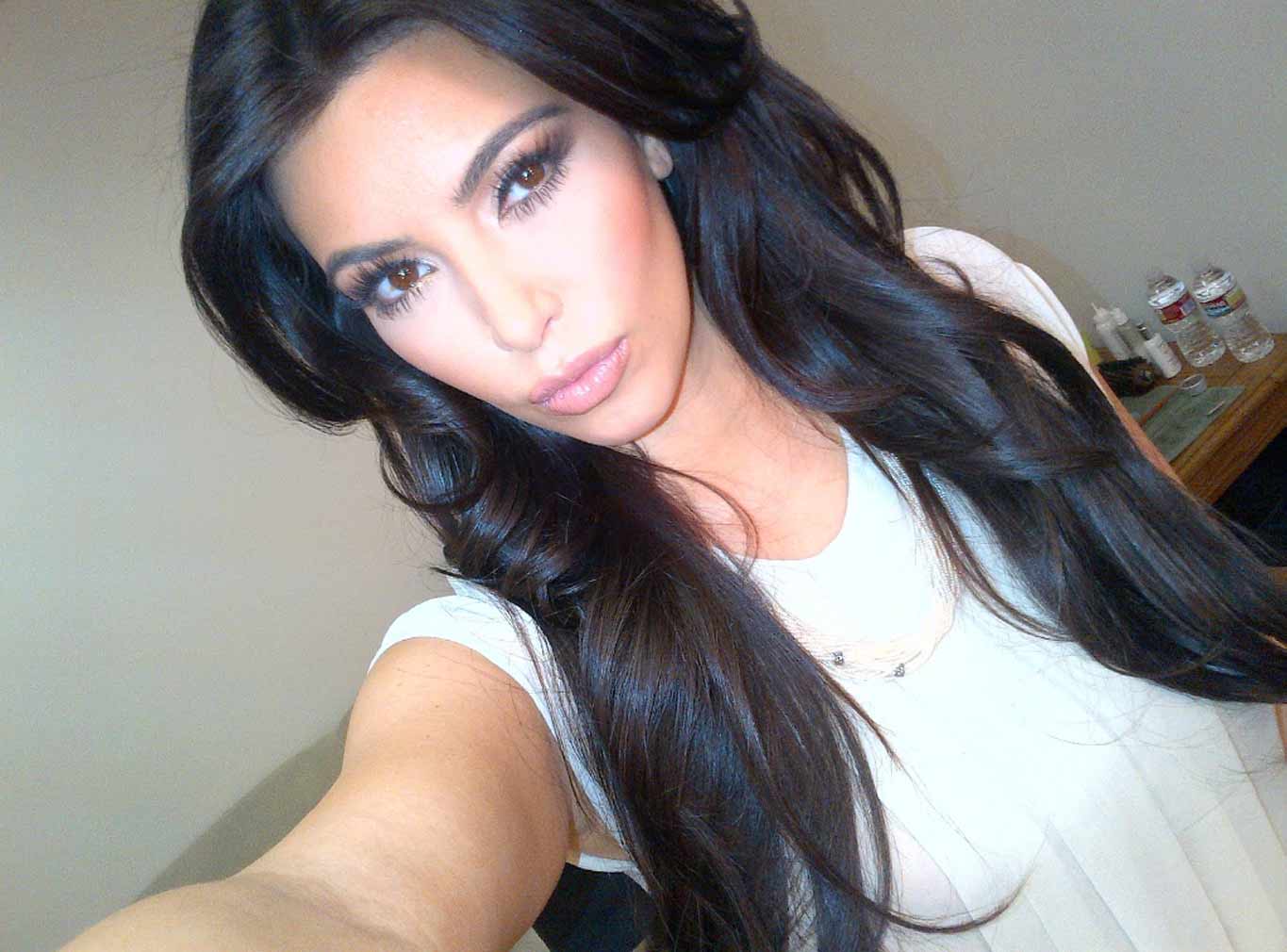
Snapchat is a multimedia messaging app, popular among teenagers and millennials.
The app and other social media networks have enabled many people around the world, especially teens, to post selfies of themselves with added filters to alter their appearance. It has become a norm on social media as well as real life.
But what these filters do, apparently affect self-esteem and trigger body dysmorphic disorder (BDD). And Snapchat dysmorphia, has been classified on the obsessive-compulsive spectrum, commonly affecting one in every 50 people - and growing, as millennials are influenced by what they see online.
According to the American Academy of Facial and Reconstructive Plastic Surgery, 55 percent of clinicians were meeting patients who "wanted to look better in their selfies" in 2017. This is an increase of 13 percent since the previous year.
"They create the expectation that we are supposed to look perfectly primped all the time. This can be especially harmful for teens."