With the internet, connectivity allows data to flow in and out, allowing data to be updated.
This in turn makes "dumb" things smarter.
Gone are the days where cars are just metal and lubricants put together to create a cabin. Cars are no longer vehicles that can transport occupants from source to destination, as with the internet, cars become "smart" to allow the world information to pass into them.
But by exposing cars to the internet, car manufacturers are literally exposing their products to the wilderness of digital threats.
Among others, connected cars can become hacking targets.
More modern cars can be targets because they can store users' information, travel history and others. And as more cars become electric and capable of self-driving, the risks are getting bigger and bigger, simply because their engines, brakes and steering are electronically controlled over the internet
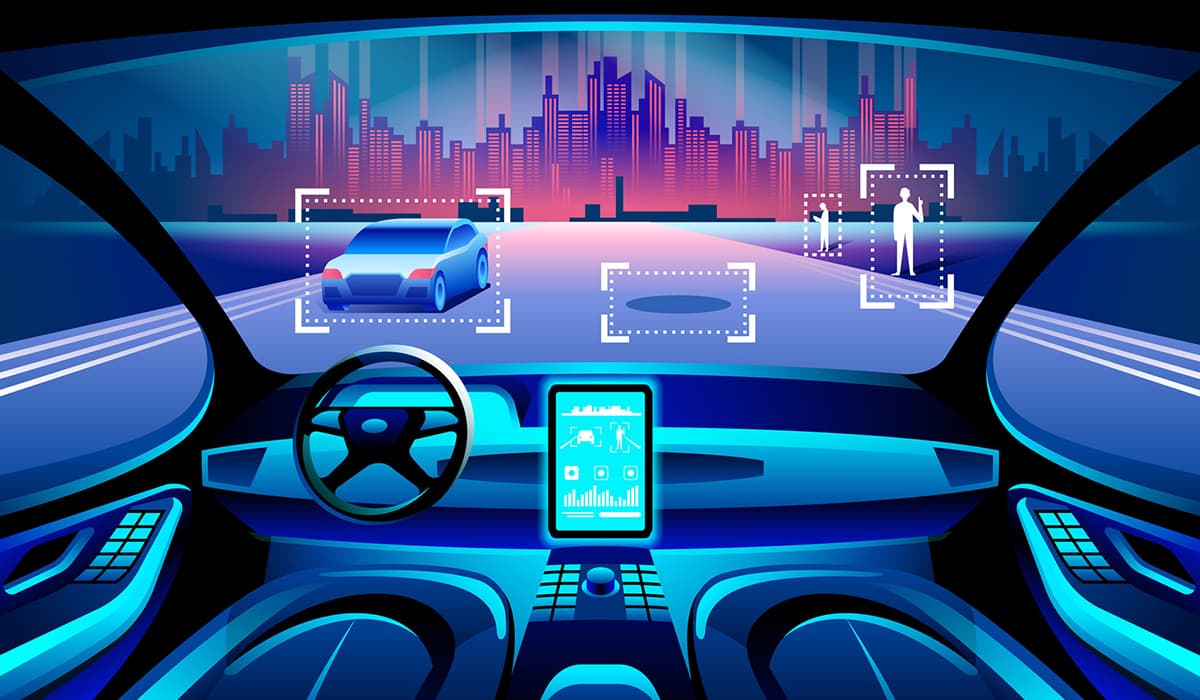
Car companies know that self-driving cars, connected vehicles, and all their systems that require internet access could easily become targets for cybercriminals across the world. This is why they create consortium to also welcome giant tech companies.
The consortium aims to not only prevent cyberattacks, but to also improve response times should any flaws be discovered on their systems.
Specifically, the involved companies can work together to find and patch software flaws, to then release updates that would be available for all of them.
Members can also discuss and analyze the hacking exploits discovered in other markets and possibly affecting other carmakers in an attempt to prevent their software from being targeted by cybercriminals.
The partnership plans to extract automotive software flaws and update them once a week.
Companies in the consortium can check to make sure the software they use is not among those detected to have security holes.
In addition, members of the consortium will be provided with examples of hacking methods that are reported around the world.
Companies that joined the consortium, include leading carmakers like Toyota and Nissan, as well as large technology companies such as Microsoft and Trend Micro.
Parts manufacturers like Denso and Panasonic have also joined the effort, according to local reports.
Initially, 90 companies have decided to join a consortium that would allow all of them to work together.
The partnership comes with massive benefits in many regards, including as far as costs are concerned.
Nikkei Asia Companies operating in the automotive sector report that they typically spend between $200 million and $ 300million ($ 1.8 million to $ 2.7 million) annually to outsource software research.
As far as costs are concerned, the partnership can give huge benefits, especially to small and medium-sized businesses.
The goal of this partnership is to improve the reliability of all Japanese cars.

















































































































































































































































































