Thirty-seven years after the events of June 4, 1989, the struggle over the memory of Tiananmen Square continues.
For decades, the Chinese government has restricted discussion of the student-led protests and the military crackdown that ended them. References to the events are heavily censored online, public commemorations are largely prohibited, and textbooks offer little or no coverage. Journalists, activists, and relatives of victims who attempt to publicly remember the anniversary often face restrictions or surveillance.
As a result, many younger Chinese have grown up with limited knowledge of what happened in 1989.
Yet every anniversary demonstrates the same reality: history has proven far more difficult to erase than many expected.
Despite decades of censorship, the internet has helped preserve photographs, testimonies, documents, and personal accounts, ensuring that the events of Tiananmen Square remain part of the historical record.
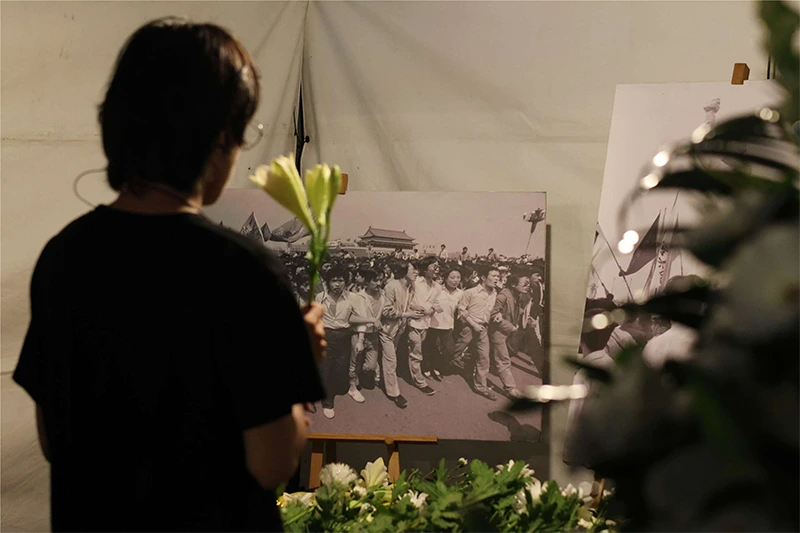
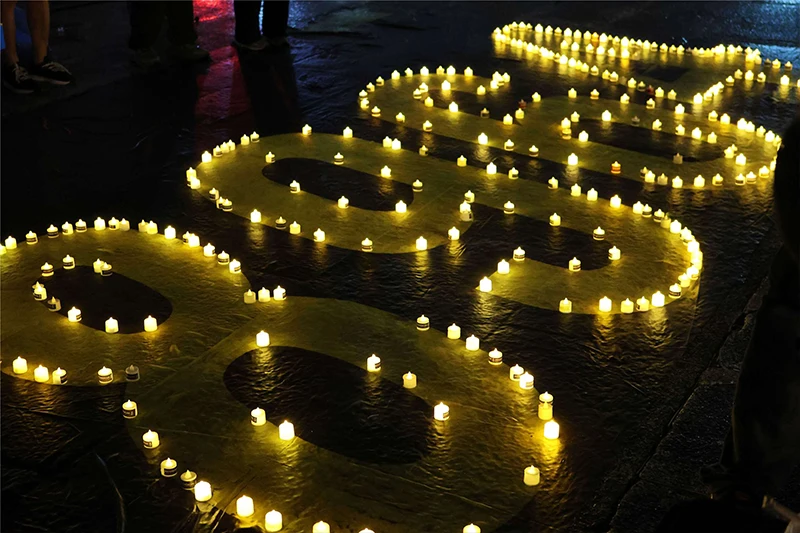
The protests began in the spring of 1989 following the death of reform-minded leader Hu Yaobang.
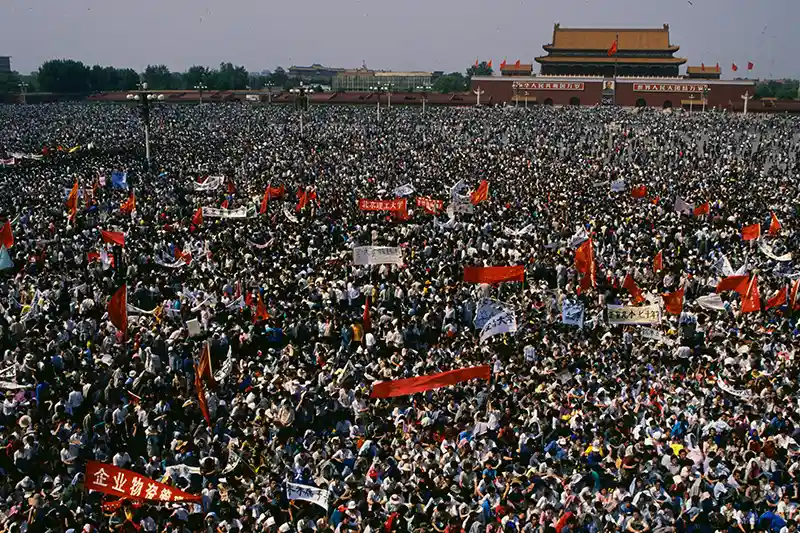
What started as mourning quickly expanded into a nationwide movement calling for greater government accountability, action against corruption, freedom of expression, and political reform. Hundreds of thousands of students, workers, and ordinary citizens participated in demonstrations across China.
In Beijing, Tiananmen Square became the symbolic center of a movement that many participants believed could help shape a more open future.
That future never arrived.
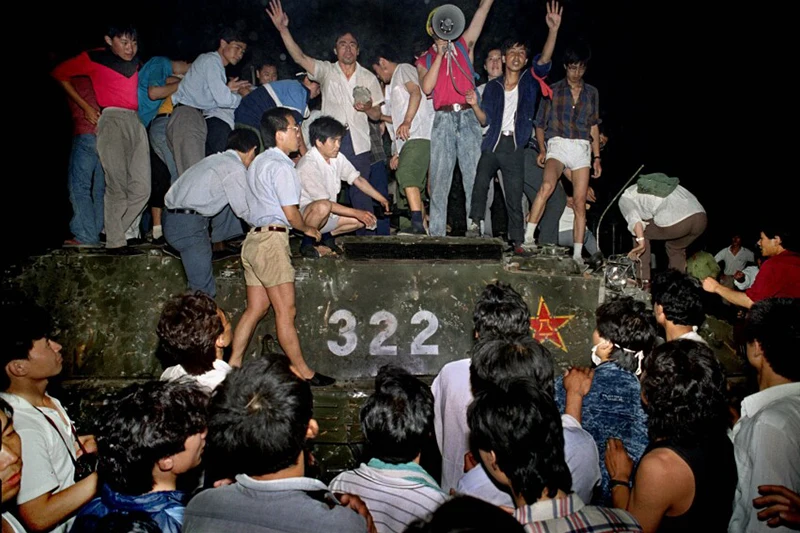
On the night of June 3 and the early hours of June 4, Chinese troops moved into Beijing and used force to clear the protests. The protest was turned into a massacre.
While the exact death toll remains unknown, hundreds were killed according to some estimates, while others believe the number reached into the thousands.
What is beyond dispute is that soldiers opened fire on civilians and that one of the most consequential political events of modern Chinese history unfolded in the streets of Beijing. Decades later, the Chinese state still refuses a full public accounting of what happened.
The persistence of official silence explains why groups such as the Tiananmen Mothers remain so significant.
Formed by relatives of those killed in 1989, the group has spent decades documenting victims, preserving testimony, and demanding three things: truth, compensation, and accountability.
In their 2026 anniversary statement, they argued that the passage of time has not resolved the injustice because the government continues to suppress discussion of the events and refuses to disclose the full facts. Many of the parents who founded the movement have died without receiving the answers they sought, yet their cause continues through surviving members and supporters.
The Chinese government's sensitivity toward the issue demonstrates that the battle is not merely about the past.
Historical memory is inseparable from political legitimacy. Beijing has long maintained that it reached a conclusion on what it describes as the political turmoil of the late 1980s, while critics argue that the state's continued censorship reveals an unresolved fear of the historical record itself.
Every year, authorities reportedly tighten security around the anniversary, monitor activists, and restrict public acts of remembrance. In 2026, reports indicated that even some families of victims were prevented from openly visiting graves or participating in commemorations.
Yet the story of Tiananmen in 2026 is not simply one of suppression.
It is also a story about the extraordinary resilience of memory in the digital age. Projects such as the China Unofficial Archives collect photographs, diaries, videos, personal accounts, and other materials that might otherwise disappear. Activists continue to uncover new documents and previously unseen images. Historians, journalists, archivists, and former participants have spent decades preserving evidence outside China's borders.
What was once stored in filing cabinets and personal collections now exists across servers, databases, cloud storage systems, university archives, and countless personal devices around the world.
The internet has fundamentally changed the relationship between power and historical memory.
In earlier eras, governments could often suppress records by controlling newspapers, publishers, broadcasters, and archives.
Today, information can be duplicated endlessly and distributed globally within seconds. A photograph deleted in one place may survive in thousands of others. A testimony removed from one platform can reappear elsewhere. Documents can be mirrored across continents. Digital preservation has created a world in which historical evidence no longer depends on a single institution's willingness to protect it.
But this does not mean that censorship has become impossible.
China operates one of the most sophisticated censorship systems ever created, and many people inside the country remain unable to freely access information about June 4.
But the internet has made complete erasure vastly more difficult. Every year, researchers find new photographs. Witnesses share additional memories. Archives grow larger rather than smaller. As one activist involved in preserving Tiananmen's history recently observed, each year brings new documents and new images that add to the historical record.
The importance of this preservation extends beyond China.
History offers many examples of governments attempting to reshape collective memory, whether by controlling archives, rewriting textbooks, or silencing inconvenient voices. Yet the digital era has created powerful new tools for resistance. The same technologies that enable surveillance and censorship also enable documentation, duplication, and preservation. A smartphone, a cloud backup, or an online archive can become a safeguard against forgetting.
The debate surrounding Tiananmen therefore carries a lesson far larger than a single event. The question is not only what happened in Beijing in 1989. It is whether historical truth can survive when powerful institutions attempt to suppress it. Thirty-seven years later, the answer appears increasingly clear.
Witnesses age. Governments change. Political narratives evolve. But photographs remain. Documents remain. Testimonies remain.
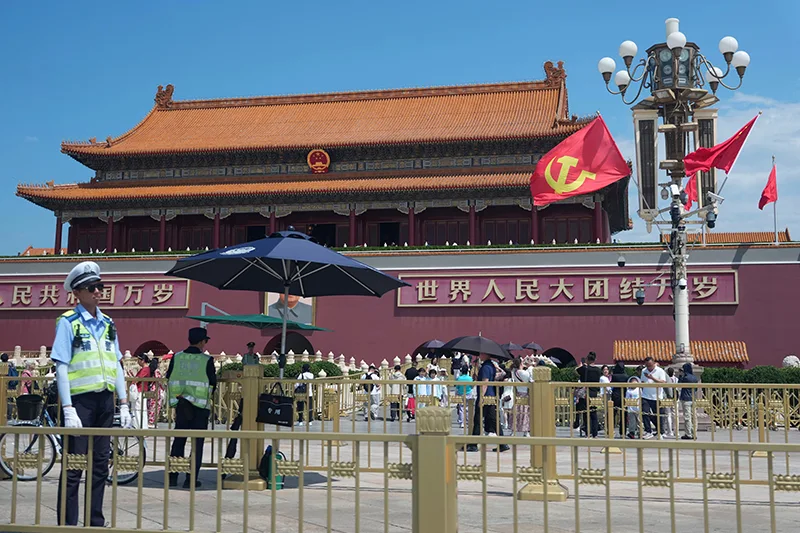
History can be censored, obscured, and contested. It can be buried beneath propaganda and silence. What it cannot easily be now is erased.
In an age where millions of copies of a document can exist across the world at once, the internet has become one of humanity's most powerful defenses against historical amnesia.
The struggle over Tiananmen Square is proof that while governments may influence how history is taught, they no longer have complete control over whether it is remembered.
It's worth noting that the Chinese authorities sought to prevent public remembrance of the 1989 Tiananmen crackdown during the 37th anniversary period.
Unlike Hong Kong's annual Victoria Park gathering, there was never a regularly permitted public Tiananmen vigil in Beijing after the 1989 crackdown. Over the decades, discussion of June 4 became heavily restricted, and public vigils, marches, or memorial events related to Tiananmen were generally prohibited.
This is what made Hong Kong's candlelight vigil so significant. For years, it was the largest public commemoration of the 1989 crackdown anywhere on Chinese soil, drawing tens of thousands of people before authorities banned it in 2020.
Even private acts of remembrance have faced growing restrictions. In 2026, reports indicated that police warned some relatives of those killed in 1989 not to visit graves or hold commemorative activities. Members of the Tiananmen Mothers and other families reportedly faced monitoring, movement restrictions, and pressure to avoid public remembrance.
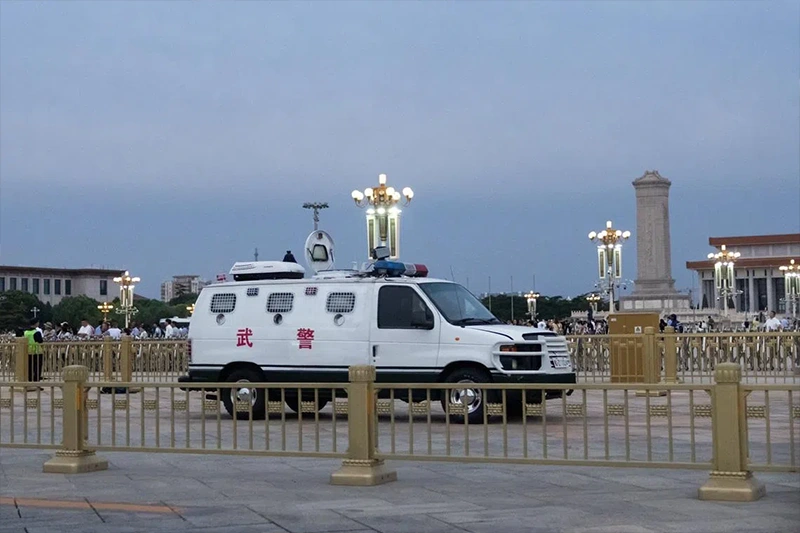
The broader pattern is clear: while the Chinese government has worked to limit public commemoration and discussion of June 4, relatives of victims, activists, historians, and archivists continue to preserve the memory of the events.
Decades later, the struggle is no longer only about what happened in 1989, but also about whether it can be forgotten.
U.S. Secretary of State Marco Rubio said that "no amount of censorship can erase the past."
In response, China's foreign ministry hit back, saying it firmly opposed those comments. "The Chinese government has long since reached a clear conclusion regarding that political turmoil that occurred in the late 1980s,: ministry spokeswoman Mao Ning said.




















































































































































































































































































