
Apple is a global tech brand. With its iPhones and iPads, as well as its Mac and Macbook computers, and other of its products are on sale, the company is generating billions and billions of dollars a year.
China has long been the powerhouse of the East. It's the most populous country on Earth, and also one of the world's largest and fastest-growing consumer markets. For these and some other reasons, China has always been the target of many companies who wish to expand their markets.
Apple is just one among many of them.
The thing is, China has strict regulations. And it's these regulations that can cripple many foreign businesses, even before they can get break even.
Apple is a big company that sits on a huge amount of resources. Even with that in mind, Apple cannot risk losing the market
Tim Cook is the CEO of Apple, and in an effort to establish a strong relationship with the Chinese government, he signed an deal that is said to be worth $275 billion.
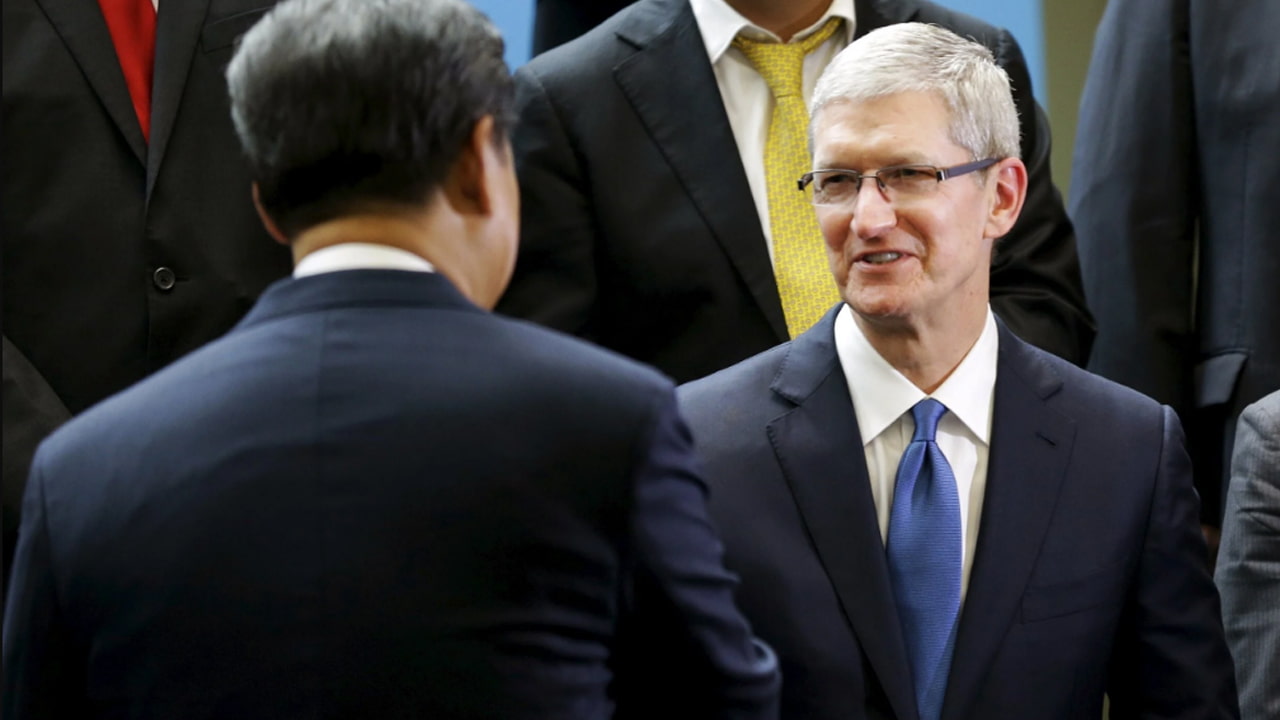
The deal was first signed in mid-2010s, in which Cook signed a non-binding deal that was made partially to mitigate or prevent regulation action by the Chinese government that would have had significant effect on Apple's business in the country.
Through the deal, Apple is committed to investing heavily in technology infrastructure and training in the country.
It also included a pledge to help Chinese manufacturers develop "the most advanced manufacturing technologies" and "support the training of high-quality Chinese talents."
In addition, Apple also promised to use more components from Chinese suppliers to power its devices, sign deals with more Chinese software firms, collaborate on technology with Chinese universities, and directly invest in Chinese tech companies.
Through the deal, Apple also promised to invest "many billions of dollars more" than what the company was already spending annually in China.
Partly, the money would fund the costs of building new retail stores, research and development centers and renewable energy projects.
Cook forged this five-year agreement, but hasn’t been previously reported because Apple wanted to avoid the sudden bursts of regulatory actions that might come, according to internal Apple documents
Conducting business in China is different. Unlike Western democracies that tend to be capitalists oriented, Chinese government is operated by the ideologies of communism that have different rules and values.
In China, officials have historically sought to emphasize the health of local and national businesses.
For more than many times, the Chinese government had to impose regulations to hamper or even cripple foreign companies to ensure that Chinese businesses can thrive.
Apple knows this very well.
To get on China's good side, the U.S. company signed the deal as a promise that its success would be shared with local companies.
Through the deal, Apple promised to help China's tech to flourish by providing the resources and the knowledge.
And indeed, through the deal, Apple has performed better in China than other U.S.-based tech companies.
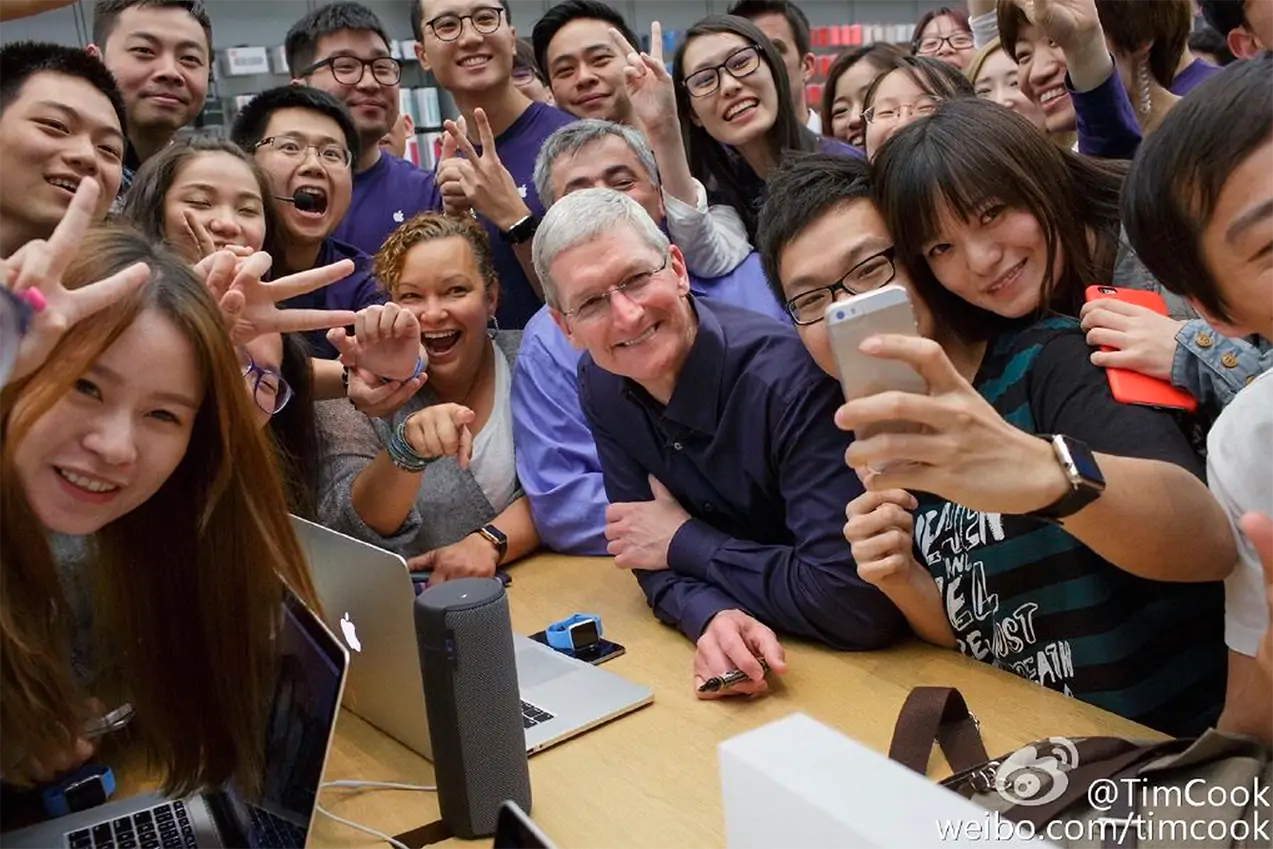
Before the meetings, Apple executives were salvaging the company’s relationship with Chinese officials, who believed the company wasn’t contributing enough to the local economy, the documents show. Amid the government crackdown and the bad publicity that accompanied it, iPhone sales plummeted.
After the deal was signed, Apple's business in China started soaring.
At this time, China represents 19% of Apple's total sales, which is up four points from 2020.
China has also become one of Apple's largest markets with annual sales growth of 83% in the country in its fiscal fourth quarter.
Another fact here is that, Apple has also become China's largest smartphone brand.
Tim Cook's name may not outshine Steve Job's name. But Cook's lobbying, deal-making, and relationship building have been so crucial to Apple's global success.
In fact, Apple became the first trillion-dollar company under Cook's supervision. Apple then surpassed Saudi Arabia's Aramco, to then became a $2 trillion-dollar company.
In other words, while founder former Apple CEO Steve Jobs may be best-known for effectively popularizing new product categories, Cook may ultimately be remembered as the person who made Apple a more profitable company in a reign to become one of the most profitable in the world's tech business, ever.