Your website's home page lies on the root, describing the very basic thing you do: it's essentially the presentation of what and who you are. It's often understated because it isn't always about the headers, contents or footers. But not matter what it is all about, a home page should be able to answer the questions from web visitors.
A cohesive design shouldn't be focused on aspects that only attract web visitors. It should also be a way to make those visitors understand that you have the solution to their given problem. Bringing all those answers into a design is one thing, the next is to make it outstanding in delivering information.
Questions that may rise from web designers are:
- How to make a website memorable?
- How to deliver answers when there is an answer.
- How to make visitors comfortable.
- How to put the call-to-action so it's present when visitors need them the most.
- How to make the page loads fast without eliminating necessary aspects.
- And so forth.
Related: Improving Your Web Design by Looking at the Aspects
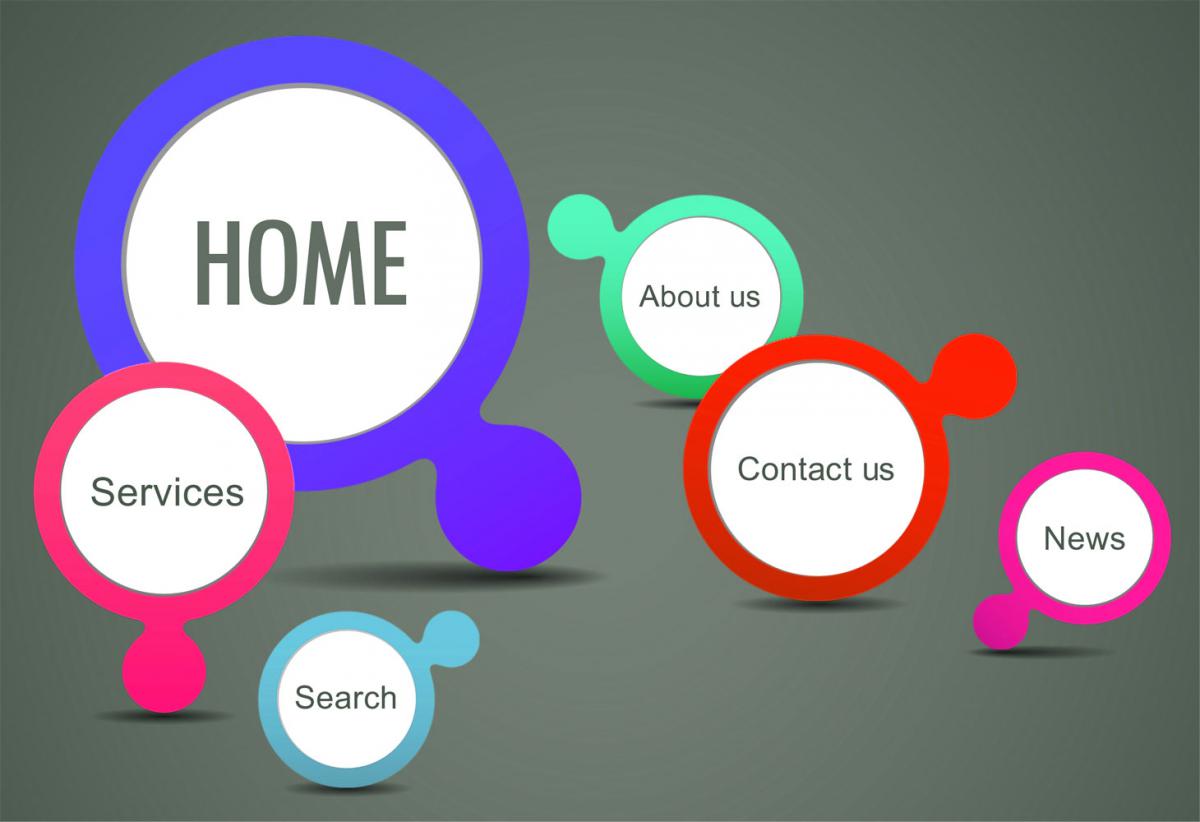
It Is All About Visitors And Nothing Else
There are many great practices to make your web page and home page appealing and powerful. But with the many ways available, there is always a thin line that connects all of them. They all have similar goal: putting visitors first, far above anything else.
What a great home page is all about, is to show the greatness of you to your targeted market by describing them how you can answer their questions, showing them how good you are in offering help by assisting them towards the solution to their problems, and differentiating you from others.
If you're making your home page the source of conversion, you need to know how to make them understand what you are by making it critical to visitors' appreciation.
A lot of websites tend to design their home page according to their needs, or based on what others in the competition have done. At some point, this can be a good idea, but to some, this won't. The reason is because the competition wants to always be the best, and by giving the same common thing people will find in other places, you won't be able to convince visitors.
So being unique here is the key.
How often do you ask and see your home page? How often do you see its appeal and how well it meets the current needs, and not to the yesterday's demand?
Your Home Page, Your Everything
Questions you need to ask yourself when designing your website's home page:
- How do I defined my website?
- How is my website reflects my brand?
- Who is my web visitors?
- How do they come to my website?
- Are they similar, or are they broken up into groups with different personas?
- How could my products and/or services offer the solutions to their problems?
- Do I have enough contents to contextualize and define my products and/or services?
- How do I make them stay, and how do I keep them comfortable? How can I make them return?
- What could I make people sure that my solution is really the answer they want?
- Where and how should the call-to-action be?
- How can I make potential customers to contact me?
- How do I make people trust what I do?
The questions aren't limited to the above, and can come from many other aspects. But to many people, those questions may sometimes being overlooked.
After taking the above questions to your consideration, try to apply them to your existing website. How does it answer those questions? If it can, then you have less to worry about. But if it can't, it's certainly the time to refresh a bit.
Below is some of a home page aspects that you need to consider when you want to refresh it:
Header
Your home page header is usually the home to things that appear above the fold, and above almost anything else you have on the page. Some that included are: the logo, the tagline, social media icons, your search box, the website's primary navigation and its secondary navigation if available.
Body
This is where users are attracted to. What your page's body should offer is content that shows information people are looking for. What includes here are: introduction and overview, call-to-action, promotion/deals, slides and animations in forms of videos or others, links to blog posts, upcoming events, etc..
A web page could be designed with more sub-sections to home more links or information, but your home page should limit this for the sake of tidiness and preventing unwanted clutter.
Footer
Your home page's footer is usually located at the bottom, and it should further help visitors in knowing an understanding who you are. What can be included here are: contact information, widgets, social media references (if they aren't at your header), site navigation/sitemap, policies, terms and conditions, disclaimer/legal notices, and copyright.
Further reading: Making Your Simple Landing Page An Attractive Opportunity
Solving The Puzzle
Your presence on the web should officially made through your website, and not necessarily just your social media presence. As the core of your business on the web, your website should be able to get what it needs to survive, and have what it takes to compete.
Solving your customers' issues is like solving a puzzle. Some comes with a question you have never heard of, some can come with problems they don't understand.
As a web owner/web designer, you should dive into each cases and think how to solve each puzzle to understand your target market better. Answering their needs and offering things they like should come together in your web design.
Your home page should represent a broader range of solutions that you think can answer questions. This should answer a broad range of the questions by making people curious, making them eager to dig in further. By doing this right, you can solve one part of the puzzle. When you're able to deliver the answer with solid explanation, you can solve another piece of the puzzle. And by putting your call-to-action where people expect it to be, and make them do what you expect them to do, you can then finally make the puzzle complete.
Further reading: When You Are Designing A Login Page, Make Sure Everything Points To The Purpose Of The Page






















































































































































































































































































