
In recent years the development of large language models (LLMs) has unfolded as a fast moving competition among several major players.
OpenAI that started the war, popularized accessible conversational systems through ChatGPT, which demonstrated strong performance in generating coherent responses, handling follow up questions and drawing on broad training data. Google advanced its Gemini models with integrated search capabilities and multimodal features, while Anthropic released successive versions of Claude focused on detailed reasoning and safety considerations.
Other efforts including those from xAI and various open source initiatives added further momentum, resulting in rapid iteration around context retention, tool use and real time information retrieval.
Apple approached the same domain with a different set of priorities when it first outlined Apple Intelligence in 2024.
The company stressed on device processing to limit data movement and emphasized seamless ties to its existing hardware software ecosystem rather than relying primarily on large scale cloud models. Initial releases delivered incremental Siri improvements such as more resilient request handling, the option to type queries and limited handoff to external models for certain tasks. More ambitious elements, particularly those involving deep access to personal information and awareness of on screen content, encountered repeated delays as the underlying architecture required substantial reworking. This measured pace left Apple appearing slower to deliver compared with competitors that shipped successive feature updates on shorter cycles.
Now, Apple is shifting the picture.
With iOS 27, the operating system is designed to serve as one of the vehicles for expanded intelligence features. The most prominent element is a rebuilt version of Siri now positioned as 'Siri AI.'
The next generation of Apple Intelligence powers an entirely new Siri: making the apps and experiences you rely on across iPhone, iPad, Mac, and Apple Vision Pro more personal and helpful than ever. pic.twitter.com/aXiDIkqAKn
— Tim Cook (@tim_cook) June 8, 2026
This iteration results from a ground up redesign of the assistant rather than layered additions to the prior implementation.
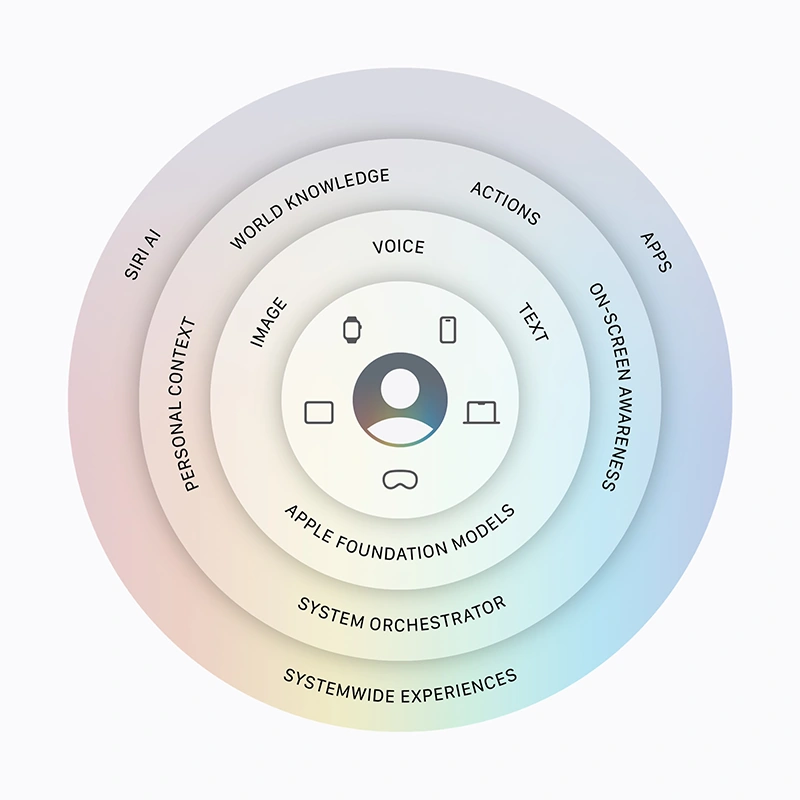
The new foundation combines next generation Apple Intelligence models with technology developed in collaboration with Google, specifically drawing on Gemini capabilities to strengthen reasoning and knowledge access while retaining Apple's established privacy controls.
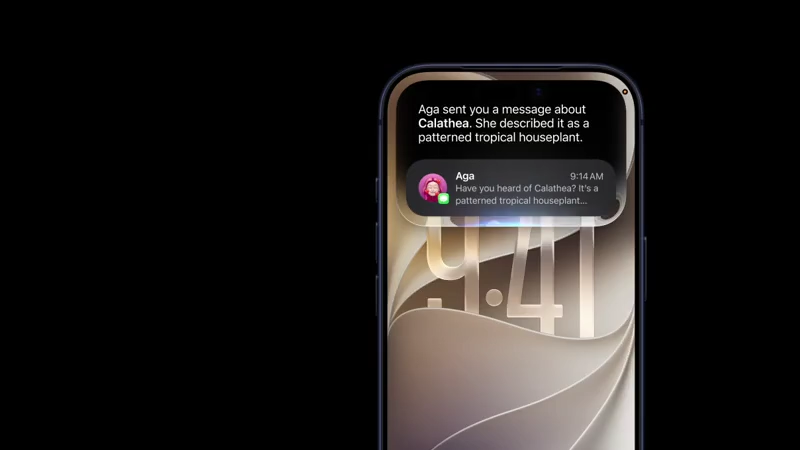
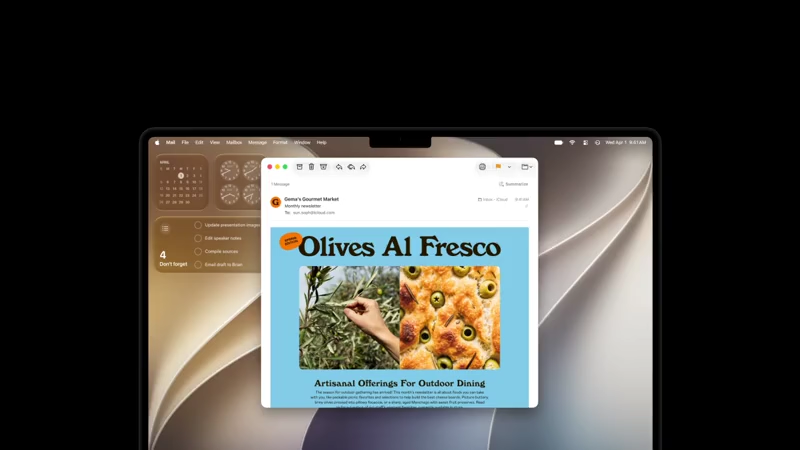
Siri AI introduces personal context processing as a core function. The system can reference and connect information stored across a user's messages, emails, photos, notes, calendar items and files. A query can therefore surface details from prior communications or media libraries without the user needing to open individual applications and search manually.
Integration with third party apps occurs through existing system indexing mechanisms, allowing developers to make relevant data available in a controlled manner.
On screen awareness adds another dimension.
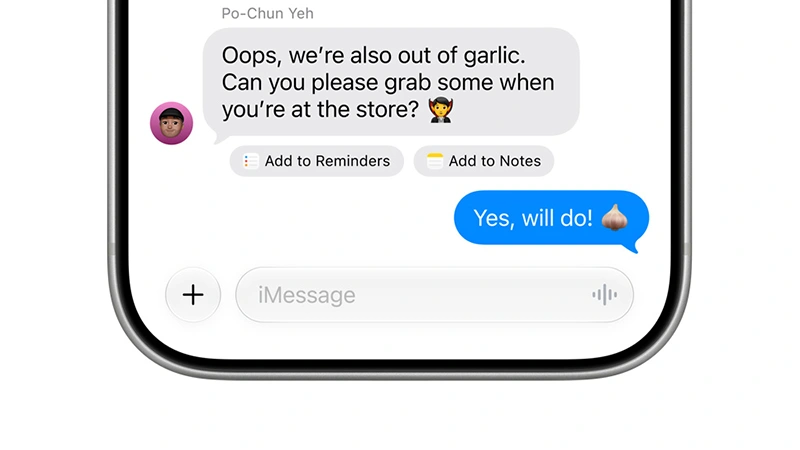
Siri AI can interpret content currently visible on the device display and tie its responses or suggested actions directly to that context.
For example, it can analyze text in a received message and propose related steps such as creating a note or calendar entry based on the displayed information. This reduces the need to switch between apps or copy details manually.
Read: The Complex Plan, Where Apple Plans To Improve Its AI By Privately Analyzing User Data

Conversations support extended back and forth exchanges.
The assistant maintains awareness of earlier statements within an interaction, enabling users to ask clarifying follow ups or build compound requests that span multiple steps or applications.
Examples include locating information in one app and then using it to populate content in another, or generating material and then distributing it without separate manual intervention.
A dedicated standalone application now exists for these interactions. Users can open the Siri app to review past exchanges, continue ongoing discussions or initiate new ones through text or voice. Conversation history synchronizes privately across supported Apple devices via iCloud, so a thread started on one product remains available when switching to another.
Access methods have been expanded within the system interface.
On iPhone, users can invoke the assistant through the traditional wake phrase or side button, or use a downward gesture from the Dynamic Island region to surface a search or ask interface.
Results appear in expandable views that transition into conversational format. On iPad and Mac, integration occurs through Spotlight and context menus, while additional presence extends to CarPlay, Apple Watch and AirPods for continuity during use on the move.
"We’re excited to introduce Siri AI, a dramatically more capable and conversational assistant designed to help users find information and get things done throughout the day," said Craig Federighi, Apple’s senior vice president of Software Engineering, as quoted by Apple in a post.
"With access to broad world knowledge for up-to-date answers on virtually any topic, along with onscreen awareness and personal context understanding, Siri AI can help users take action across apps more naturally than ever."
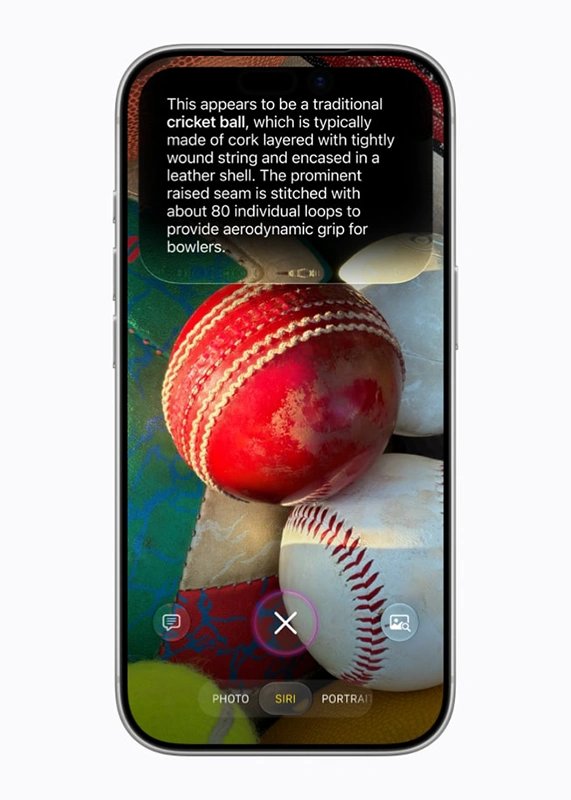
Visual capabilities have broadened through enhanced multimodal features.
On iPhone a dedicated mode within the Camera app allows analysis of physical scenes or objects for informational responses and related actions such as bill splitting or nutritional lookups. Comparable functionality reaches iPad and Mac through screenshot based workflows or direct selection, and Vision Pro supports spatial queries based on gaze and surrounding content.
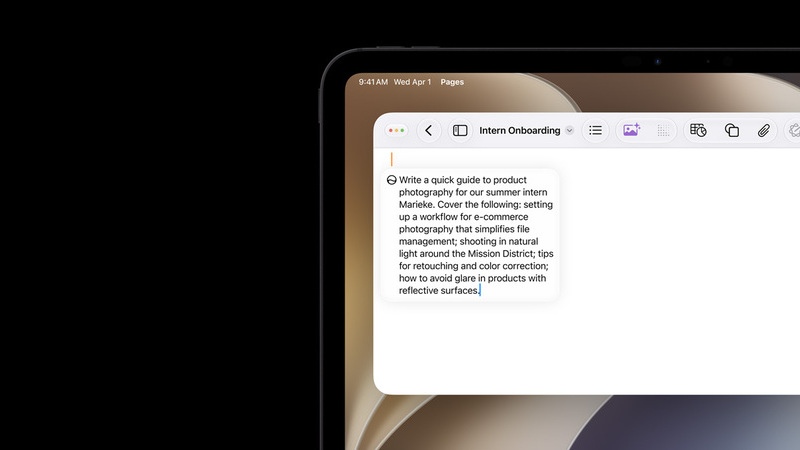
Writing assistance operates at the point of text input across many applications. Users can describe desired output at a high level to generate initial drafts or request specific refinements to existing text. Automated proofreading and style suggestions run in the background, with adaptation to observed communication patterns used with particular recipients.
Processing architecture prioritizes on device execution for tasks that fit within local model capacity.
When additional resources are required, requests route through Private Cloud Compute arrangements designed so that personal data is not stored or made accessible to Apple or external parties after computation completes. Within the dedicated app, users can select retention policies for conversation records, including options for automatic deletion after a chosen period.
In Apple's words, the goal is to bring "powerful AI capabilities into everyday experiences.
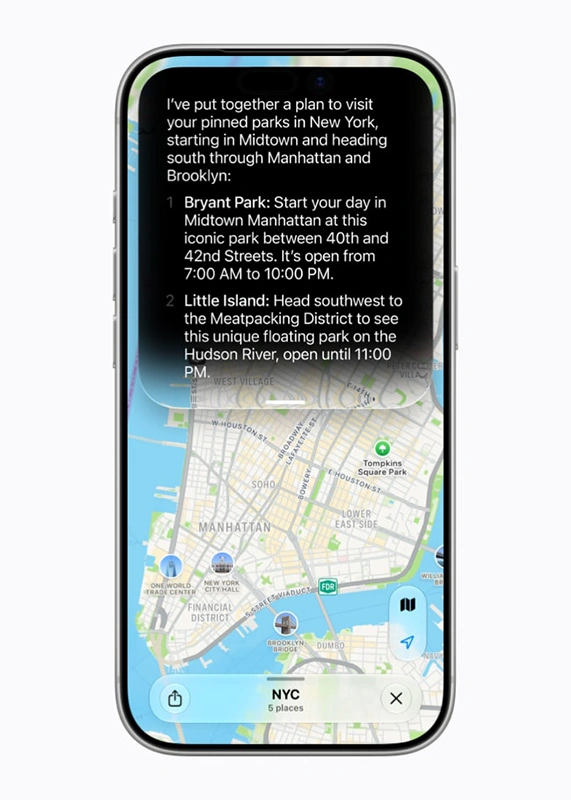
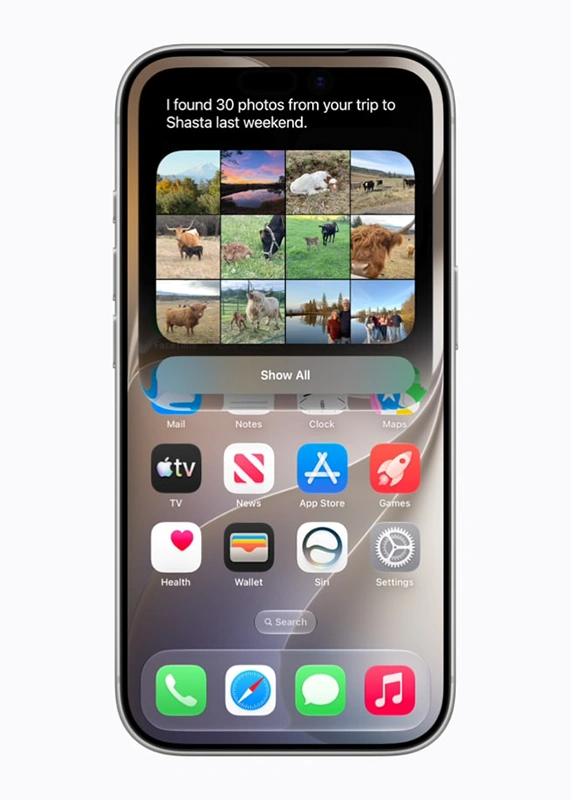
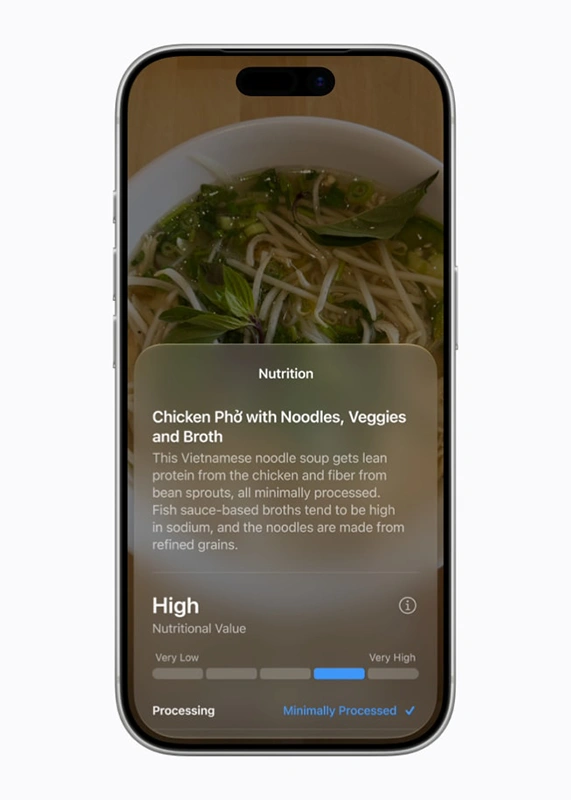
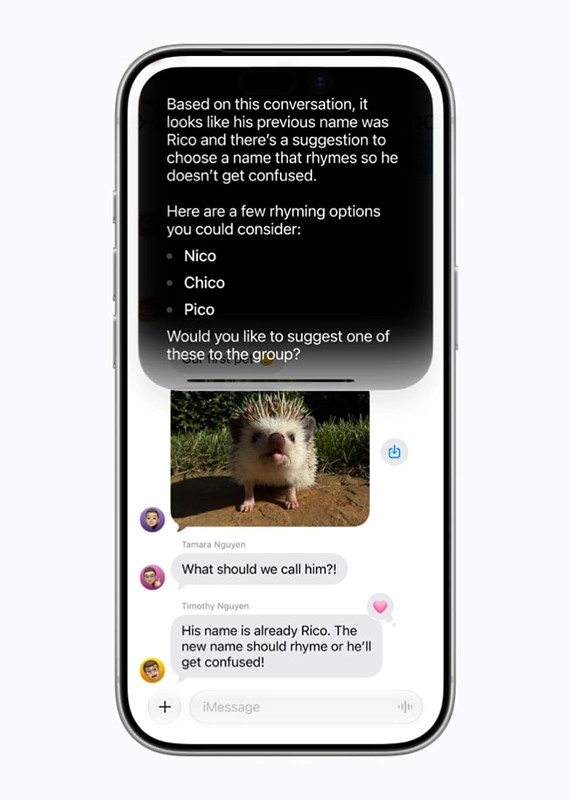
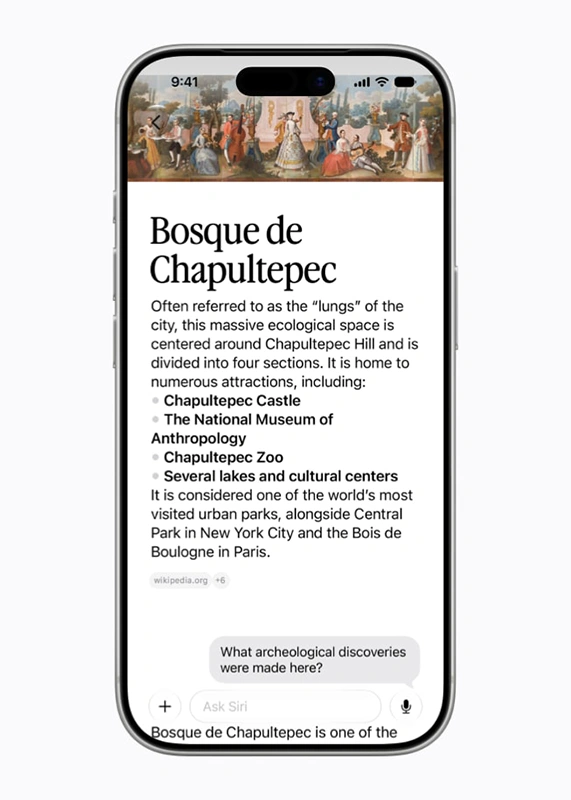
To be able to do all these, Apple explained that Siri AI is an entirely new version of Siri, and that it's deeply integrated into iPhone, iPad, Mac, Apple Watch, and Apple Vision Pro.
Being able to move around freely, Siri AI is able to gather context and better understanding throughout messages, emails, photos, and more, in order to get things done across apps with even more systemwide app actions.
iOS 27 incorporates these intelligence updates as part of a broader set of platform refinements, though the Siri focused changes represent the most direct evolution in how natural language interaction occurs with the device.
Complementary Apple Intelligence elements appear in areas such as photo editing and web browsing tools, yet the assistant overhaul addresses the central pattern of querying, reasoning and acting through conversational input.
The release follows an extended period of internal development during which external competitors continued to refine their own offerings in public.
Apple has now detailed specific implementations that combine ecosystem specific strengths in data access and app integration with enhanced model capabilities sourced in part through partnership.
The overall space of AI assistants continues to develop across multiple organizations, with differing balances between capability, privacy controls and platform reach.

















































































































































































































































































