
 Baidu is China's answer to Google. And now it's more than a search engine. The company has enjoyed a rapid rise, especially when Google shut down its services in China related to the country's censorship in 2010. Since then, Baidu, along with Alibaba and Tencent, is China's most influential internet service.
When it does many good things to its users, the tech giant that is pretty much similar to Google, is also doing things wrong.
Baidu has been discovered to earn profits by selling information from ill users to third-party through its chat rooms. The hosted forums also contain pornography, fake advertisings among other things. Tens of thousands of Chinese citizens are pledging to boycott Baidu entirely.
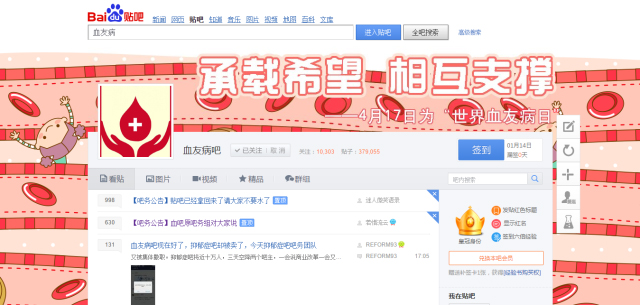
Baidu's Post Bar, or Tieba, is Baidu's chat room and forum. Launched in 2003, it has become a massive online community with millions of discussion groups, talking about anything from food to films and foreign affairs. The forum however, also homes numerous illness-related posts that serve as online support group where patients can share their experience about a disease and seek treatment.
The chat and Post Bar forum are run by administrators known as "bar owners". These people monitor the contents, the comments, and seek out inappropriate contents to delete them. Just like many other forums on the internet, administrators that act like moderators. They oversee the contents where they have total control.
The scandal rises when Chinese users realized that at least one of Baidu's group for people with serious illness has been used to by a "bar owner" to sell advertisements promoting several unqualified private hospitals, and deleting negative comments about them.
A Chinese local media reported that moderation rights to the most popular forums could fetch more $152,000, with advertising agencies taking a commission for connecting Baidu with for-profit hospitals and pharmaceutical companies.
In the said Post Bar discussion group, there are about 5,000 users with hemophilia. The condition where their lack of protein can make their blood clot; could be a life-threatening issue. Being influenced by misleading ads is the very least they want.
The State Internet Information Office that has been flooded with public complaints, summoned Baidu's executives and ordered them to immediately remove the content. It also ordered Internet regulators in Beijing, where Baidu is headquartered, to punish the company.
In addition to several breaches, the regulator said: "Some search results on Baidu are not impartial or objective, and its news channel has spread harmful information involving violence and terrorism."
In respond, Baidu confirmed its wrong deeds and apologized. The company said that it would "stop commercialized operation" of all illness-related Post Bars, and replace the administrators of the "hemophilia" Post Bar with a non-profit representative from NGO working on the disease.
But Baidu's apology failed to address all the critics and didn't appeal to some. A group of 36 non-profits has filed a complaint with the Beijing Administration of Industry and Commerce, accusing Baidu of violating China’s advertising law.
The "Baidu Post Bar gate" discussion topic has attracted more than 1 million views on Sina's Weibo. Many bloggers have condemned the company's value, even referring the founder to "take people's lives."
"Sixteen years ago, the two search engine companies (Google and Baidu) started at almost the same time. Sixteen years later, one company is researching the feasibility of quantum computing. By contrast, the other one is researching how to help other people sell fake medicine," said a Sina Weibo user.
Since the scandal came amid the widespread of public distrust to doctors and hospitals over accusations of corruptions and some other things, it further fueled people's rage. Previously, Baidu was also accused for altering its search results to prioritize those people that paid it to have their sites highly ranked.
Despite Baidu has a good relationship with China's censors, the incident also attracted many media attentions. Netizens in the country are discussing alternatives to Baidu such as Microsoft's Bing search and Alibaba-owned Gaode Map. And since Baidu resembles Google by much, many people wish that the U.S.-based search giant is still in operation.