

Facebook is a giant, and indeed having influence in people's lives on the web. From making communication easier to bringing humans to socialize effectively using the internet, Facebook has come a long way to be what it is today. And when we look at what is the most important part of Facebook, it's no other than its News Feed.
To bring the platform to be a step better, Facebook is making a small tweak to its algorithm. That tweak can have a significant effect since it works on the News Feed, the place where Facebook either lives or dies.
Engineering Director Lars Backstrom first announced about the algorithm update in a Newsroom post. He wrote:
We've heard from our community that people are still worried about missing important updates from the friends they care about. For people with many connections, this is particularly important, as there are a lot of stories for them to see each day. So we are updating News Feed over the coming weeks so that the things posted by the friends you care about are higher up in your News Feed.
The goal of News Feed update is not just to show the most relevant stories to users. But to help users to see more posts from family and friends. Facebook announced the change on June 29th, 2016, on its blog.
The News Feed is a decade old. When it was first launched in 2006, Facebook wasn't as big as it is today. With more than 1 billion users, Facebook is challenged with far more information it needs to filter for any one person to consume. With the update, Facebook wants to show its users that fiends and family are the people they should care about first. And with the update, Facebook wants its users to not miss any important stuff from them.
To initiate the change to its News Feed, Adam Mosseri, VP for News Feed, said:
Below is the 5 Facebook's Core Values for its News Feed.

Friends and Family Come First
First on its list, Facebook said that it is prioritizing posts from close friends and family before showing any other kind of posts. When the algorithm works, Facebook will learn the user preferences on habits and others. the algorithm will then filter posts by "friends" and move some of them to the top of the user's feed.
The company's researchers have shown that, after friends and family, people are having two other strong expectations when it comes to the News Feed.
First, that "your feed should inform," whether with stories from current events, celebrity stories, political news, opinions, shared blog posts, etc.. Second, "your feed should entertain.". Facebook answers this by showing viral videos or funny photos. While the News Feed prioritizes friends and family, Facebook doesn't want to let it's feed looks boring.
Facebook's algorithm learns after a period of time, and will adapt accordingly to any of the user's changes.
A Platform For All Ideas
Here, Facebook wants to connect users with ideas and stories they will find most meaningful. This doesn't mean Facebook will show stories that people will find agreeable, but rather those that they will find most engaging.
No matter what the stories are about or who have posted it, Facebook wants to keep people using its News Feed as long as possible. The social giant said that while it doesn't favor specific types of sources or ideas, it will just posts that it thinks people will want the most.
"We are not in the business of picking which issues the world should read about. We are in the business of connecting people and ideas - and matching people with the stories they find most meaningful. Our integrity depends on being inclusive of all perspectives and view points, and using ranking to connect people with the stories and sources they find the most meaningful and engaging."
While it's important for Facebook to welcome many viewpoints, the company also believes that people should be safe when they are within Facebook's "walled" garden. Therefore, the company has Community Standards that define the behavior that it thinks is out-of-bounds on the platform.
Authentic Communication
Authentic and truthfulness. Facebook has a lot of things going on in it, and there could be any sorts of posts running around its News Feed. Facebook has high hopes on authentic communication, and is making those stories to come up and to resonate more.
To do this, Facebook is working to better understand the meaning of stories and posts, and know which of them people consider genuine.
And for the opposing posts that people find misleading, sensational and spammy, Facebook is trying to make those numbers low so people will see them less.
You Control Your Experience
Users should have the most control and Facebook is giving them exactly that.
While Facebook is a sophisticated service that consists of multiple features, the things that work on the surface are pretty simple: a post shown based on algorithm, and users have the power to engage with it, or just ignore it. To do this, Facebook is allowing users to unfollow or hide posts, or mark them as "see first" to prioritize them.
Any of the said input is a signal to the algorithm, telling it a feed back to help Facebook better understand what content is most important to a user.
Constant Iteration
Facebook said that it views its work as "1 percent finished." What it meant, Facebook is constantly iterating on the design and using feedback to improve user-experience on its News Feed.
"As we look for ways to get better, we will continue soliciting feedback. We will be as open as we can - providing explanations in News Feed FYI wherever possible and looking for opportunities to share how we work."
Users Come First
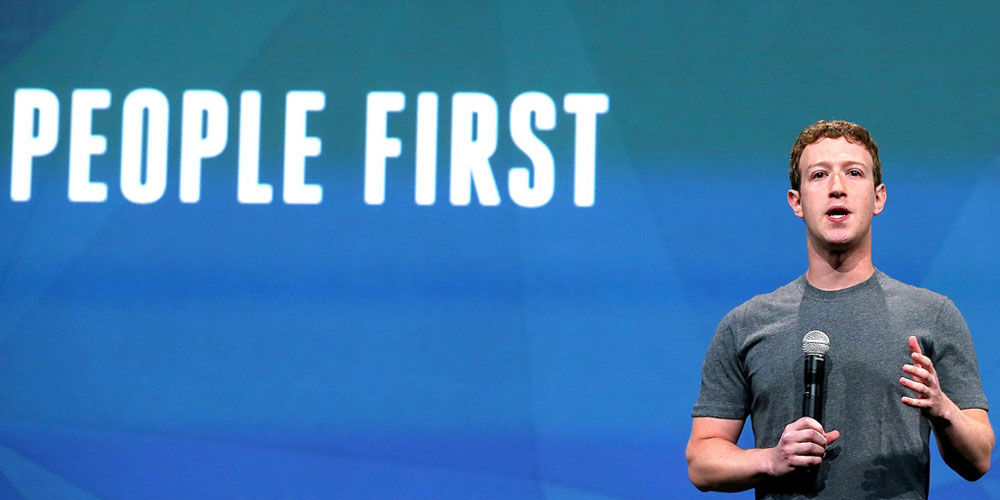
Facebook is a giant that thrives by targeting ads to its users. But in the update, it may seems to be a bitter pill to swallow for businesses and advertisers alike. The update is loosely showing that this time, they aren't anymore number one in Facebook's heart.
What Facebook wants to do, is to make users comfortable when using its service. This is because if users aren't liking Facebook anymore, there will be less users left to be shown ads to.
Facebook took a lesson back in 2010 when games from Zynga were somehow spamming users. The News Feed was overpopulated with requests for this and that, annoying non-gamers. This in turn pushed them away from Facebook.
While indeed Zynga and Facebook benefited from users asking other friends to help them play Farmville, for example. Users aren't liking it. This drove users away from Facebook, and that isn't the thing that Facebook want to experience anymore.