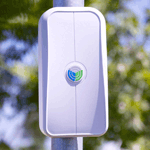
The social giant Facebook is continues its attempt to connect the whole world through the internet. On July 7th, 2016, the company is introducing OpenCellular, a wireless access platform that is able to support a wide range of network platforms, including Wi-Fi, 2G as well as LTE.
OpenCellular, in short, is a customizable base chassis for a wireless access point. It's a shoebox-sized modular hardware that can handle both open-source and commercial cellular stacks, work as either a simple access point or a full network-in-a-box, and take power from PoE, solar, DC and internal and external batteries
The device so small is made to handle all that, and everything is in line with Facebook's way of delivering internet using drones and lasers.
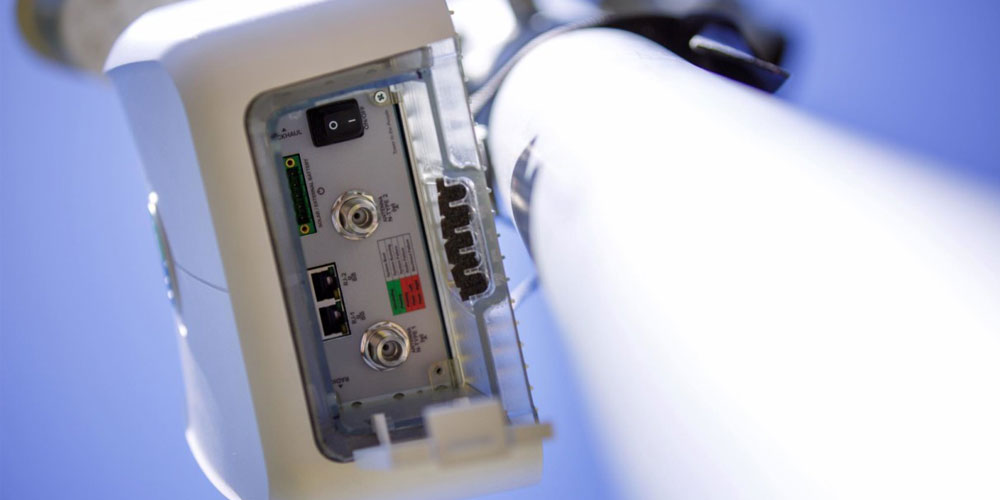
They're designed to be mounted on a pole, a tree or anything else at a range of heights. The device with a compact size, has a durability to withstand high winds, extreme temperatures, and harsh climates.
"We designed an innovative mounting solution that can handle high winds, extreme temperatures, and rugged climates in all types of communities around the world," said Facebook engineer Kashif Ali in a blog post. "The device can be deployed by a single person and at a range of heights - from a pole only a few feet off the ground to a tall tower or tree."
The idea behind the attempt is that Facebook open sources both the hardware and the firmware so they can be deployed at a lower cost than traditional network infrastructure available. So no more expensive new cabling and signal towers are needed.
What this means is that remote areas that aren't yet connected to the internet, could be reached faster and easier.
This is just another step for Facebook into "world domination". As the company is able to bring more people online, and to Facebook, its expanded reach should benefit its overall business.
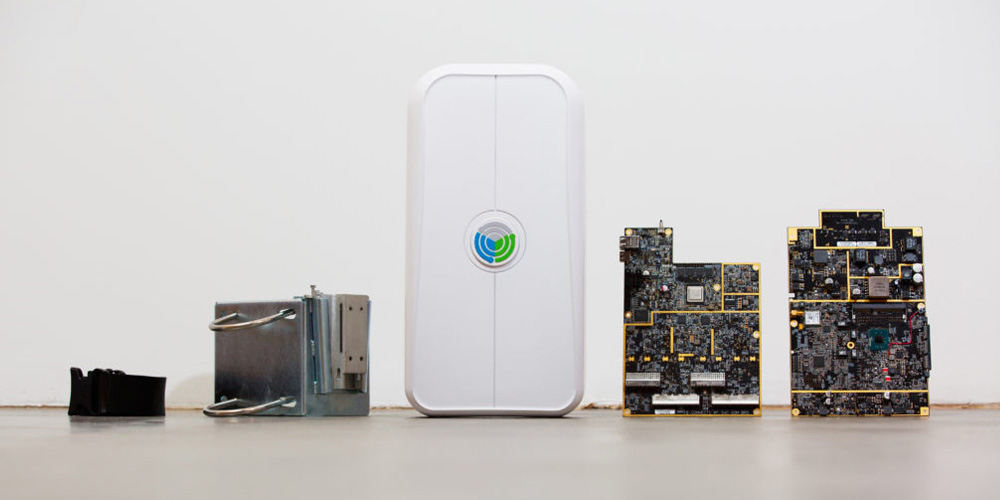
OpenCellular is the mobile infrastructure platform designed to lower barriers to entry for would-be providers of internet service to the developing world. With its open system nature, anyone can build their own wireless network, anywhere.
Anywhere here means "even in the most remote places."
So from telecommunication operators to researchers and entrepreneurs, they should be able by themselves, build and operate wireless networks anywhere in the world as they please.
On his post, CEO and founder of Facebook Mark Zuckerberg, said:
"OpenCellular is the next step on our journey to provide better, more affordable connectivity to bring the world closer together."
Because the device could be placed about anywhere, it should be easy for users to maximize OpenCellular's ability that supports connectivity to up to 1,500 people in a 10km radius. As Zuckerberg said, adding that it is "the next step on our journey to provide better, more affordable connectivity to bring the world closer together".
The device is still under tests. Facebook has managed to get 2G services to work at its base headquarter in Menlo Park, California. So far, the team behind the project has used the device to send and receive text messages, make voice calls and access basic data connections. Now the team is focusing to bring the project to the wild.

















































































































































































































































































