
For an Artificial Intelligence (AI) to perform tasks in the real world without human assistance, it needs to see the environment it is in, in a way that it "understands" what things should be like.
In fully-capable machines for autonomous driving and robotics, for example, the basic knowledge of "aesthetic" should enable them to appreciate what's what, making them adaptable to the ever-changing environment. After all, the world cannot be programmed for computers to understand. Machines are the ones that need to understand it, the way humans can.
This is where Google's AI team wanted to show.
Researchers at the company have revealed a method for teaching computers to understand why some images are more pleasing than others.
Traditionally, AI learns about images using basic categorization. This enables them to determine whether an image has something, like cats in it, by first learning how a cat looks like.
Here, the researchers are going to the next level, making machines to understand the rate of an image, without categorizing.
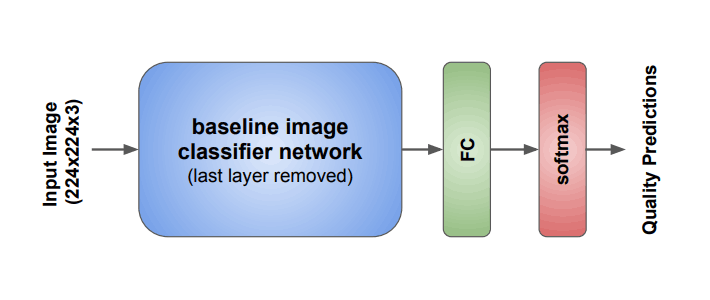
The process is called neural image assessment (NIMA). It uses deep learning to train a convolutional neural network (CNN) to predict ratings for images. And just like any other projects similar, it's meant to lay the groundwork for fully-capable machines of the future.
What NIMA does, is approaching a problem with different method than the traditional ones.
Using a 10-point rating scale, a machine can be taught to examine specific pixels of an image to determine the overall aesthetic. With this ability, it can then choose a rating, similar to how humans rate.
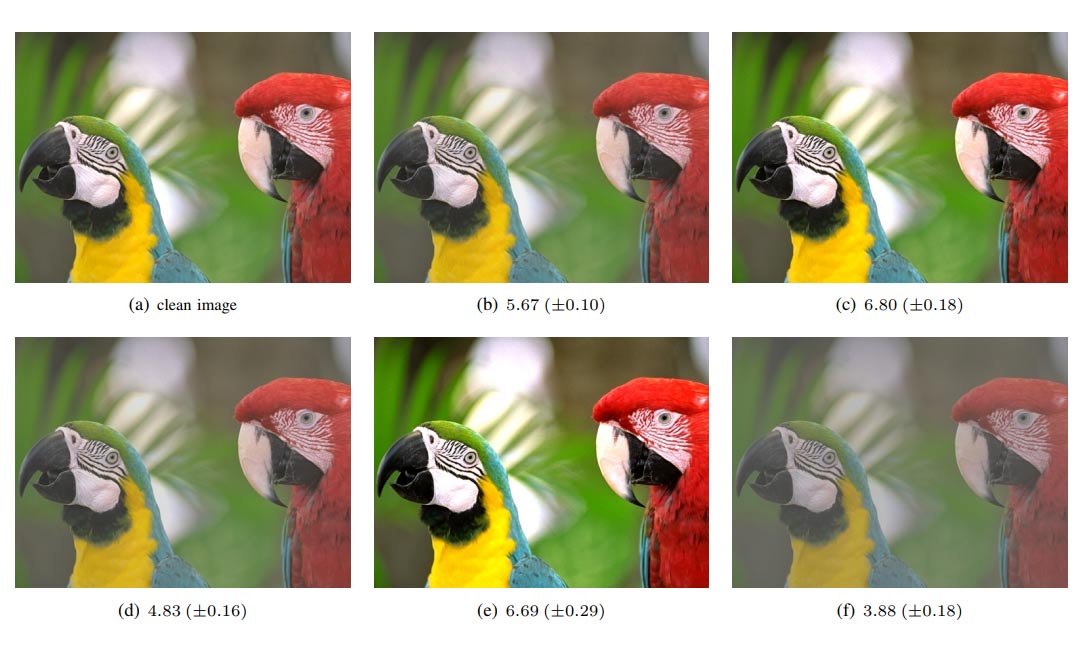
According to a white paper published by the researchers:
In short, the AI is taught to guess how much a person would like the picture.
While this ability certainly doesn't make machines to feel or think in a way similar to humans, but it can indeed make computers a better curator or artists. The process starts with basic understanding of images. So for example, the AI can be taught to understand which picture out of tens or hundreds of similar pictures, is the best looking.
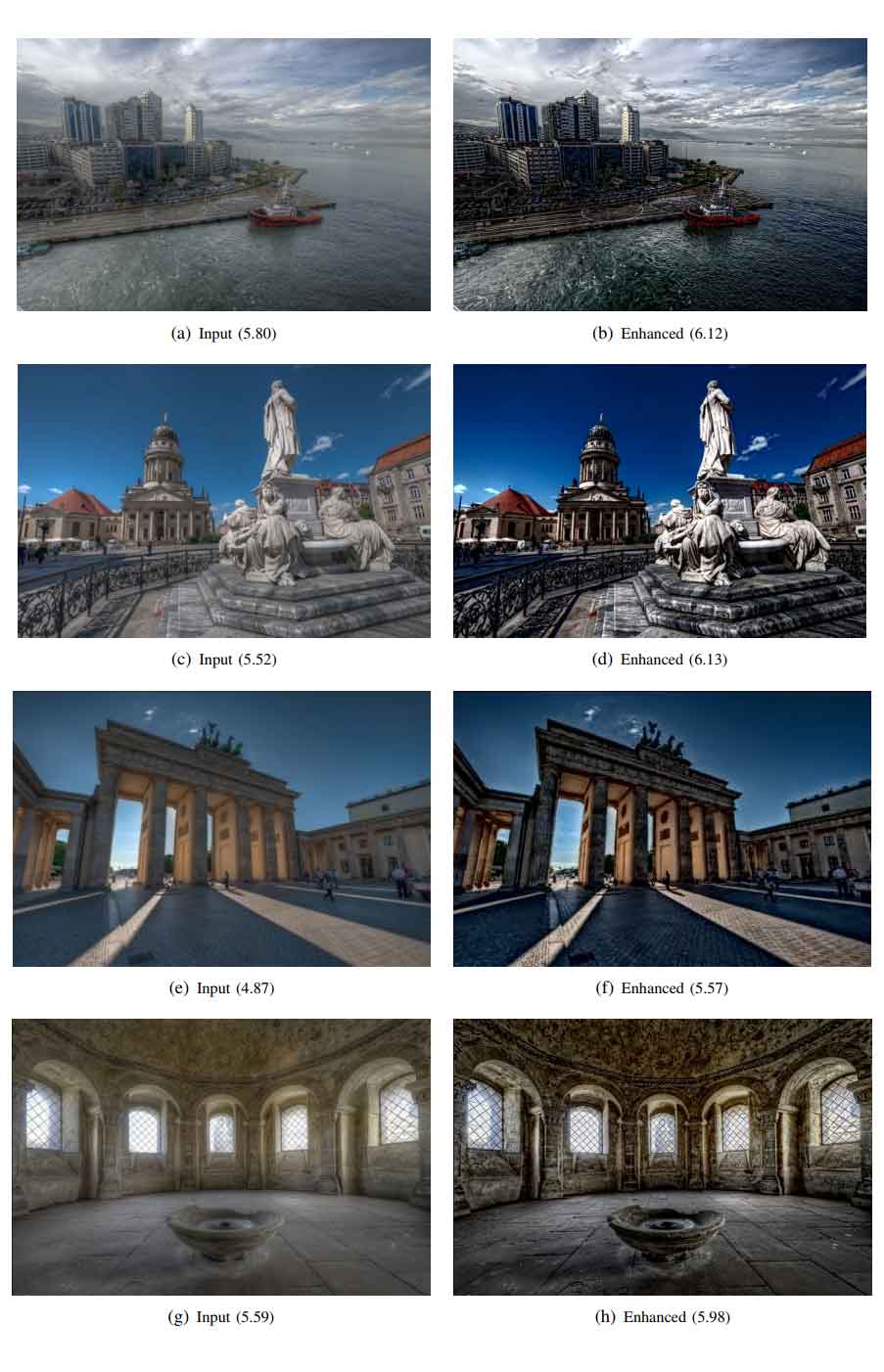
According to a Google research blog, NIMA can also be used to optimize image settings in order to produce the perfect result:
While this may not be revolutionary, but making computers to understand the quality of an image that pleases us humans, can have a huge advantage.
Fast forward to the future, this ability should become better, making computers a smarter aid to humans in many other tasks. So the potential here is certainly huge.




















































































































































































































































































