
OpenAI has taken a major step in transforming ChatGPT from just a chatbot into a full-blown platform.
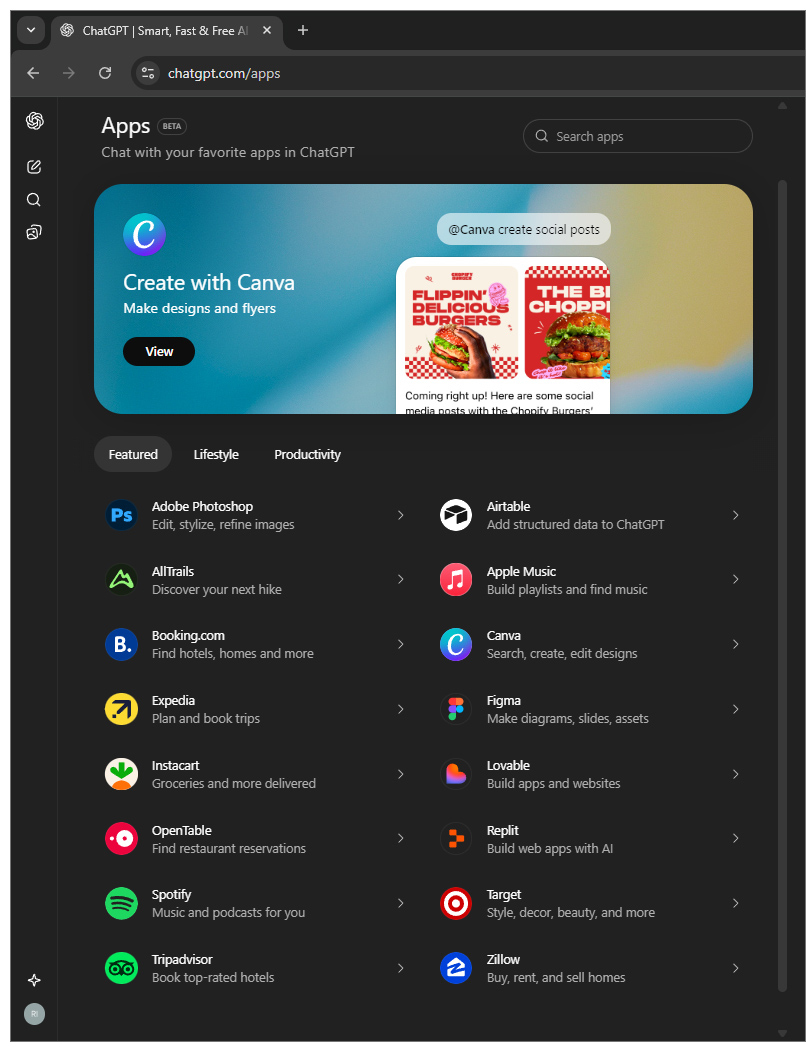
And that is by launching an in-app 'App Directory,' and opening developer submissions for ChatGPT apps. The newly introduced directory, often described as an “app store,” sits right inside ChatGPT's tools menu and gives users a centralized place to browse, discover, and install third-party apps without ever leaving the ChatGPT interface.
This is a shift that could reshape how people interact with digital services through generative AI.
For users, the impact is immediate.
Rather than switching between websites or separate apps, people can summon connected services by mentioning their name in a chat or selecting them from the tools menu.
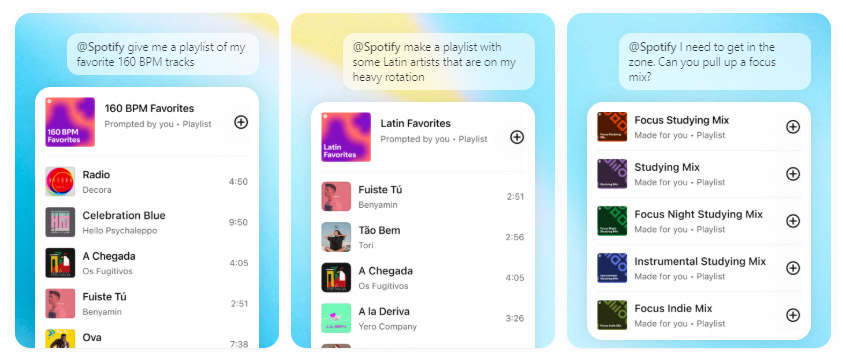
Supported apps already include integrations with major services like Spotify, Zillow, Canva, DoorDash, and Booking.com, with more rolling out over time. Apps can be triggered contextually by conversational intent.
If users are discussing travel, for example, ChatGPT might suggest a travel-related app right in the chat.
This move opens the door for a much wider range of creators, from small teams to large enterprises, to extend ChatGPT’s functionality beyond text responses into real-world actions like ordering groceries, turning outlines into slide decks, or searching for apartments.
According to OpenAI in the announcement:
For developers, they can now build interactive, chat-native applications using OpenAI's Apps SDK (currently in beta) and submit them through the OpenAI Developer platform for review and potential publication.
Once approved, these apps will appear in the directory and become accessible to users directly within their conversations.
The Apps SDK itself is designed to help developers build tools that feel like natural extensions of the chat experience.
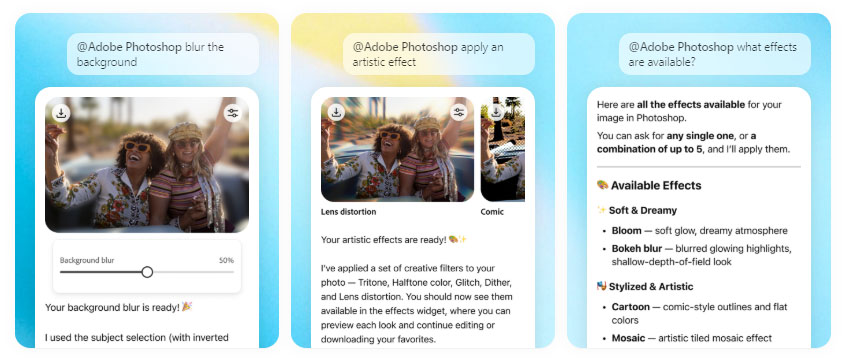
Unlike earlier "connectors," these new apps can include custom user interfaces, interactive elements, real-time data, and deeper integration into specific workflows, all powered by the Model Context Protocol standard.
Developers can use this SDK to define both the logic and UI of their apps and connect them to their own backends so that users can interact with familiar services straight inside ChatGPT.
From a broader perspective, this development marks a strategic evolution in how AI platforms can host ecosystems of tools.
By providing a marketplace and toolset for developers, OpenAI is creating incentives for innovation and deeper engagement within ChatGPT. While monetization details are still being explored, including possible digital goods and revenue-sharing models, the foundation for a thriving developer economy inside ChatGPT is being laid.
Overall, opening the app store and SDK signals OpenAI's intention to make ChatGPT not just a place to ask questions, but a hub where users can do things, ranging from managing music playlists to booking travel and completing tasks, all within the conversational flow.
"This is just the beginning. Over time, we want apps in ChatGPT to feel like a natural extension of the conversation, helping people move from ideas to action, while building a thriving ecosystem for developers," said OpenAI.






















































































































































































































































































