
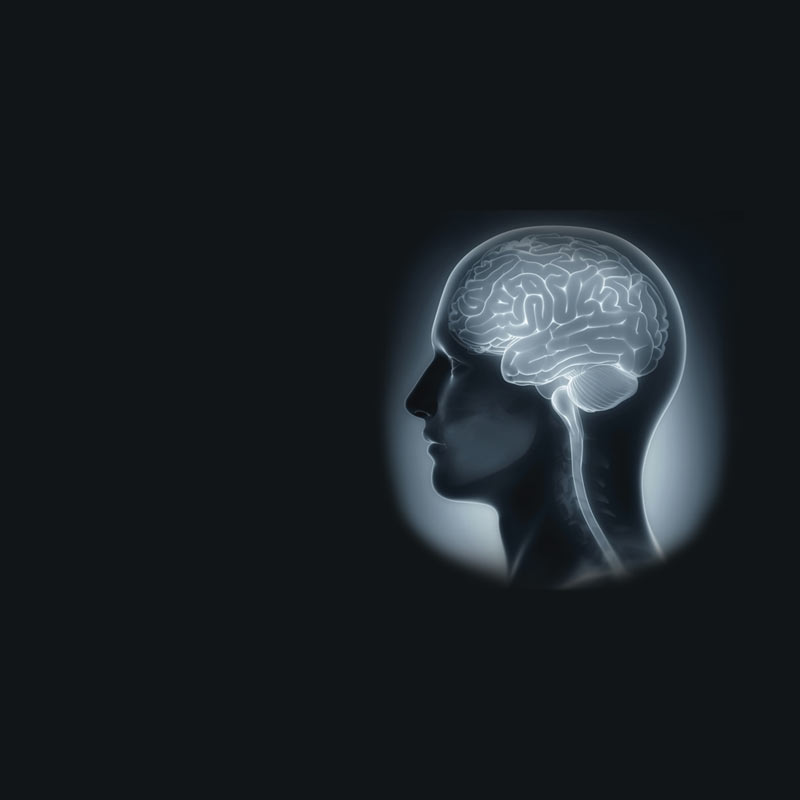
Humans have always been fascinated with the brain. As an integral part of the central nervous system in all vertebrate and most invertebrate animals, it's the most complex organ that contains billions of brain cells (neurons).
And humans have replicated how these neurons work.
Inspired by the brain, humans have replicated the architecture of these neurons in the human brain, to create artificial neural network. How it works: a neuron accepts input from multiple other neurons, each of which, when activated, cast a weighted "vote" for or against whether the particular neuron should itself activate.
This learning process requires resources, as stated by the researchers:
As a solution, the researchers created an analogue non-volatile memory to accelerate the neural-network training algorithm (known as backpropagation), by performing parallelized multiply so it can "accumulate operations in the analogue domain at the location of the weight data."
While this method of using non-volatile hardware have generally been less than the usual software-based training, due to insufficient dynamic range and excessive weight-update asymmetry, the researchers demonstrated that it can actually be more energy efficient.
Using a physical neural network, with circuits that even more closely resemble neurons of the brain, the researchers found that a integrated neural network system that mixes hardware-software neural-network implementations performed as well as conventional neural nets already in use, but with 100 times less energy than a conventional AI algorithm.
This discovery could allow future computing with a lot less energy requirement.
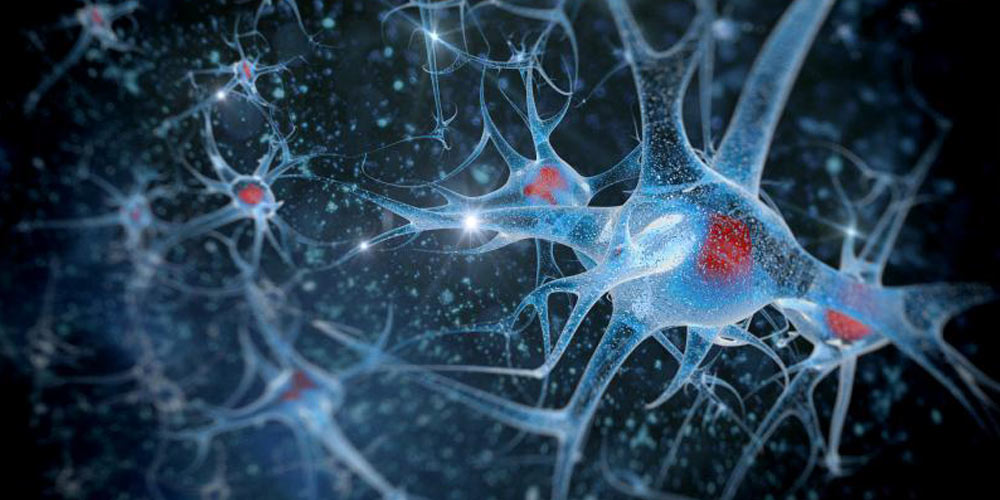
Previous attempts to make silicon-based neural network which usually involved AI systems built on neuron-inspired chips, don't usually work in compatible with conventional AIs, but this research of using a brain-based circuitry physical neural network, the researchers can model two types of neurons:
The first one is the one that was geared for quick computations, and the second was designed to store long-term memory.
Humans still don't have thorough understanding on the brain. Humans are still in awe of how the brain works, and chances are, there are a lot of things that brains have that computers would find useless. So here, there are reasons to be skeptical.
But still, the researchers behind the this AI neural hardware have discovered some important lessons from how brains work, and applied it to computer science, in a way that they have figured out how to improve AI by copying nature's work without having to rebuilt everything.
And not only that energy efficiency will improve future development of AI, as it also allows humans to pursue their AI dreams without leaving an increasing footprint on the environment.