Some movies fit neatly into one genre. But the 2025 War of the Worlds isn’t one of them.
The Oscar-winning 1953 film based on the H.G. Wells’ original 1898 novel, to the 2025 blockbuster remake of the film by Steven Spielberg, War of the Worlds has been retold for over a century, as novels, stage plays, radio dramas, television series, and multiple films, each adaptation has carried the same chilling premise: what happens when humanity’s place at the top of the food chain is suddenly threatened by a superior, merciless alien force?
War of the Worlds has a story that classified as part disaster, part apocalyptic nightmare, but fully steeped in science fiction.
But the 2025 remake, however, resists being neatly confined to any of those familiar classifications.
As a result, the film which stars rapper-actor Ice Cube goes down in film reviewer Rotten Tomatoes with a shivering 0% approval.
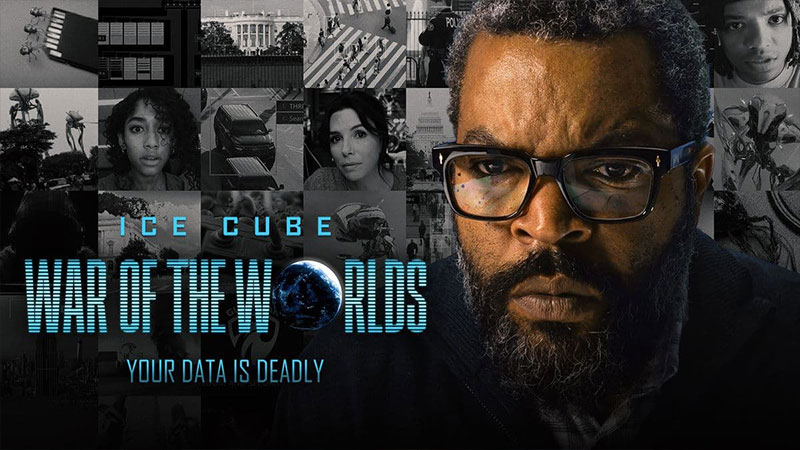
War of the Worlds centers on an alien invasion, where extra-terrestrial beings visit Earth and destroy humanity with their tripods (or manta ray–shaped flying war machines in the 1953 adaptation). Chaos everywhere, as buildings topple, streets erupt in fire, and desperate civilians flee for their lives.
The destruction unfolds on a massive scale, that even the military cannot deal significant damage to these machines.
This is the kind of visual spectacle that disaster-movie fans crave.
When Spielberg released his film, he pushed this visual to the limit, using tight, grounded camerawork to place viewers right in the middle of the panic. The idea is to put viewers in the middle of the panic, making them feel the heat of the explosions and the suffocating terror the crowds endure.
And, like most notable and highly-praised disaster films, War of the Worlds follows a bunch of ordinary people. They're not soldiers, scientists, or presidents, or people of significant. They're only civilians trying to survive an environment that has turned hostile overnight.
For example, in the 2005 film, Ray Ferrier (portrayed by Tom Cruise) is just a dockworker and divorced father, suddenly thrust into the role of protector for his two children. The personal stakes give the chaos emotional weight, turning the destruction into more than just eye candy.
In all, War of the Worlds isn’t just about collapsing skyscrapers and panic-filled streets. It's about what people already knew about alien invasion, and how invasions at a massive scale translates to apocalypse.
Showcasing how civilization collapses, disaster movies tend to not tell any stories about rebuilding what's lost. It's this uncertainty that suffocates. Will anyone survive? Is survival even possible? The story leans into the hopelessness of fighting something beyond human understanding.
The 2025 remake however, doesn't show any of that.
The film sets place in a near-future America, where Will Radford (Ice Cube), a seasoned Department of Homeland Security officer, is working for Goliath, an all-seeing surveillance program capable of tracking every human on Earth.
His work is staining his relationship with his pregnant daughter Faith and son Dave.
While tracking a hacker known as “Disruptor,” meteors crash worldwide, unleashing alien war machines. Partnering with NASA friend Sandra, Will learns the invaders feed on human data, targeting data centers.
When “Disruptor” is revealed to be Dave, Will discovers the government’s secret “Goliath” program that was activated despite warnings it would attract aliens. Working with Dave’s team of hackers, Will plants a virus to disable the machines, but it fails. As the military prepares to destroy Goliath’s base, Will, Faith, and Dave shut it down just in time.
With the aliens defeated and the truth exposed, Will rejects leading a new surveillance program, choosing family over control.
The film ranks high on Amazon Prime, and at the very least, it shows how would the world respond to an alien invasion if it happens now
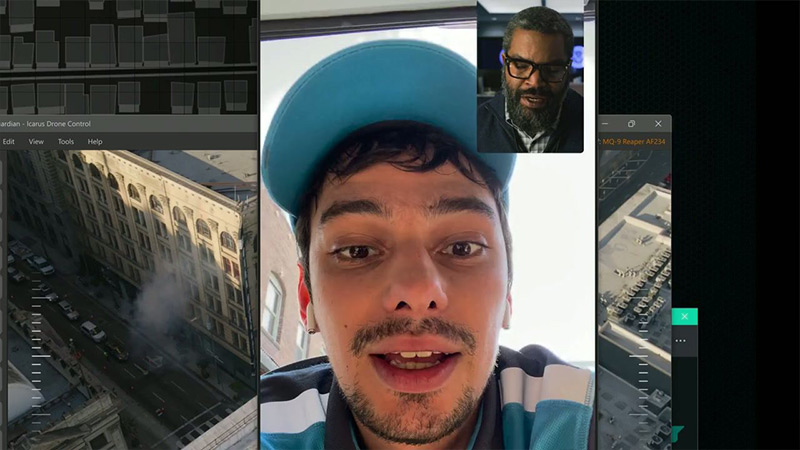
The idea is to put the audience inside the action themselves, through the lens of phones, computers, and tablets.
"If aliens invaded today, how would we experience it? Most likely, we'd be watching it on our phones, in that way, it's kind of a modern spin on Orson Welles' War of the Worlds. Back then, he used radio, the most popular technology of the time, to make people believe the invasion was real. Today, that medium is the screen of our devices," said Timur Bekmambetov, the film's producer.
First off, the screenlife format. The kind of storytelling via computer screens and video calls feels clunky and rushed here, according to viewers.
Unlike more successful films in that style, this 2025 adaptation of the novel simply cannot commit fully to the concept, cutting awkwardly between screen views and traditional shots, which breaks immersion and leaves the audience confused.
Then there’s Ice Cube’s performance.
While he has undeniable presence, this film traps him behind a screen for most of the runtime, reducing his emotional range to just scowls and over-the-top reactions. His character feels more like a grumpy parent yelling at a computer than a believable hero.
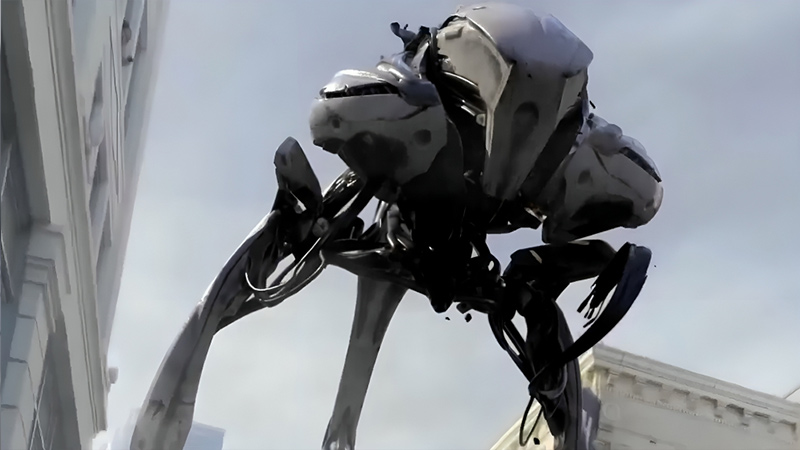
Then, comes the visual effects.
If compared to Spielberg's, this War of the Worlds directed by Rich Lee looks cheaper, or more like a low-budget sci-fi flick, not a Universal Pictures release.
The CGI is grainy and unconvincing, which makes the massive-scale disaster feel small and unimpressive.
The story and pacing don’t help either.
Since the filming began during the COVID-19 pandemic, critics say that the film feels like a rushed pandemic experiment dumped onto streaming without the polish or coherence a sci-fi epic deserves. It’s a frustrating mess, leaving viewers longing for the thoughtful, thrilling adaptations they’re used to.
Not to mention the excessive Amazon product placement throughout the film.














































































































































































































































































