Coventry is a city in the UK near the River Sherbourne.
The metropolitan borough occupying an area less than 100 square kilometers is known for its medieval Coventry Cathedral, which was left in ruins after a World War II bombing. Since then, the city has been largely rebuilt to provide housing for the large influx of workers who came to work.
And in 2021, according to reports, the city is set to be the host of “the world’s smallest electric airport” for autonomous aerial mobility.
The project which was awarded £1.2 million ($1.64 million) through the UK government’s Future Flight Challenge, is being developed by tech startup Urban-Air Port with support from Hyundai.
The project is preparing for electric vertical take-off and landing (eVTOL) aircraft, such as air taxis and autonomous delivery drones, which in the future, can also be incorporated for the city’s mobility infrastructure.
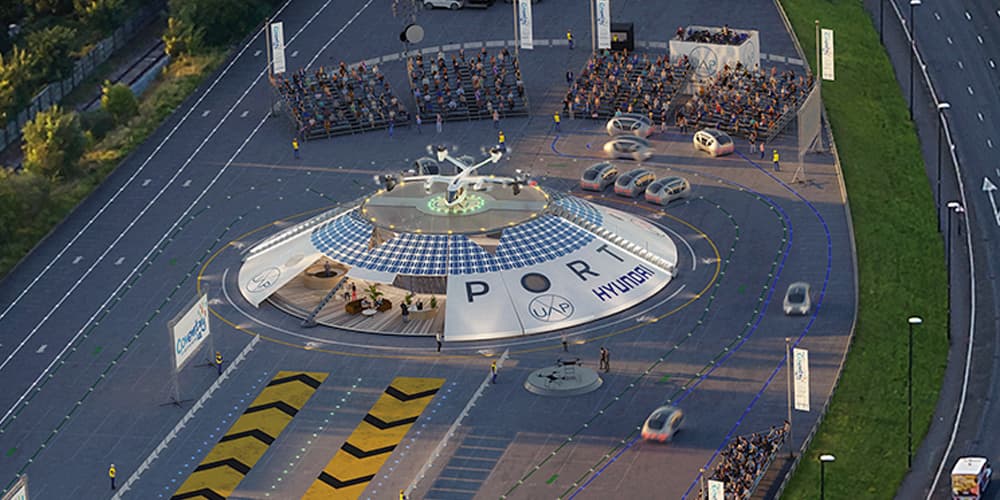
Speaking to Cities Today, Coventry City Council’s Transport Innovation Manager, Sunil Budhdeo, said the city has plans about how the hub should be utilized.
“There are a number of potential uses we’ll be examining during the trials, for example, freight parcel deliveries. In the current conditions of this pandemic where there are a lot of home deliveries, you’ve got vans floating around like there is no tomorrow, which has created more congestion."
“Another area is healthcare: if there’s an accident and someone needs emergency treatment, and we’ve got a drone close by that can go and pick the passenger up and take them to the hospital, it would be more efficient than having a great big helicopter where you’d have to close the roads or close the traffic to make sure that the helicopter lands safely.”
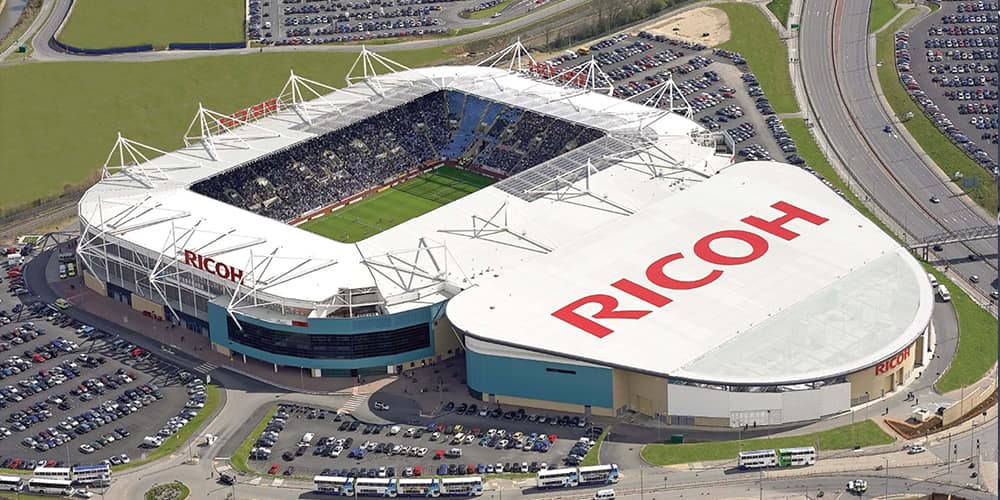
Trials for the flights would be on Coventry’s Ricoh Arena, which is a complex consisting a 32,609-seater stadium, a 6,000 square meters exhibition hall, a hotel, a casino, and a shopping center.
The sports and exhibition venue that is located on the outskirts of the city was chosen because of its strategic location to the M6 motorway which handles large volumes of freight deliveries, explained Budhdeo.
“Lorries can dispatch their loads at the urban airport, which can then be transferred onto smaller drones and into the city center without congesting our roads,” he said.
Urban-Air Port founder, Ricky Sandhu. said that:
“The idea is to show how the urban airport infrastructure fits into complementing existing city infrastructure efficiently. City space is very limited, so that’s why our idea is to make sure that we can have a scalable, appropriately sized infrastructure that can deliver the capacity but also fit into our cities without causing too much disruption.”
“The UK government is now very supportive of the air mobility sector. It’s quite interesting because a few years ago the UK was the last place where you would think this kind of technology would be integrated, but actually, with the government’s economic green recovery and carbon net-zero targets for 2050, it has been propelled right up to the top of the agenda."
As of the announcement, the project is still under development, is is expected to finish nearing the end of 2021.






















































































































































































































































































