In the world of fiction, the character RoboCop has famously become the representation of a cybernetically-enhanced police to the world.
The morale of the fictitious stories include how humane (or inhumane) for a megacorporation to transform a living person into a cyborg, and also how much the human-turned-cyborg retain his feeling, and whether he can be programmed to kill.
After all, as long as someone's life is at stake, and when firearms are involved, the man (or thing) behind the trigger is what matters.
And this time, that fiction comes closer to reality, when the San Francisco Police Department (SFPD) petitioned the Board of Supervisors for permission to deploy robots that can kill suspects under specific circumstances.
Following the petition, the board has approved the proposal with a vote of 8 against 3.
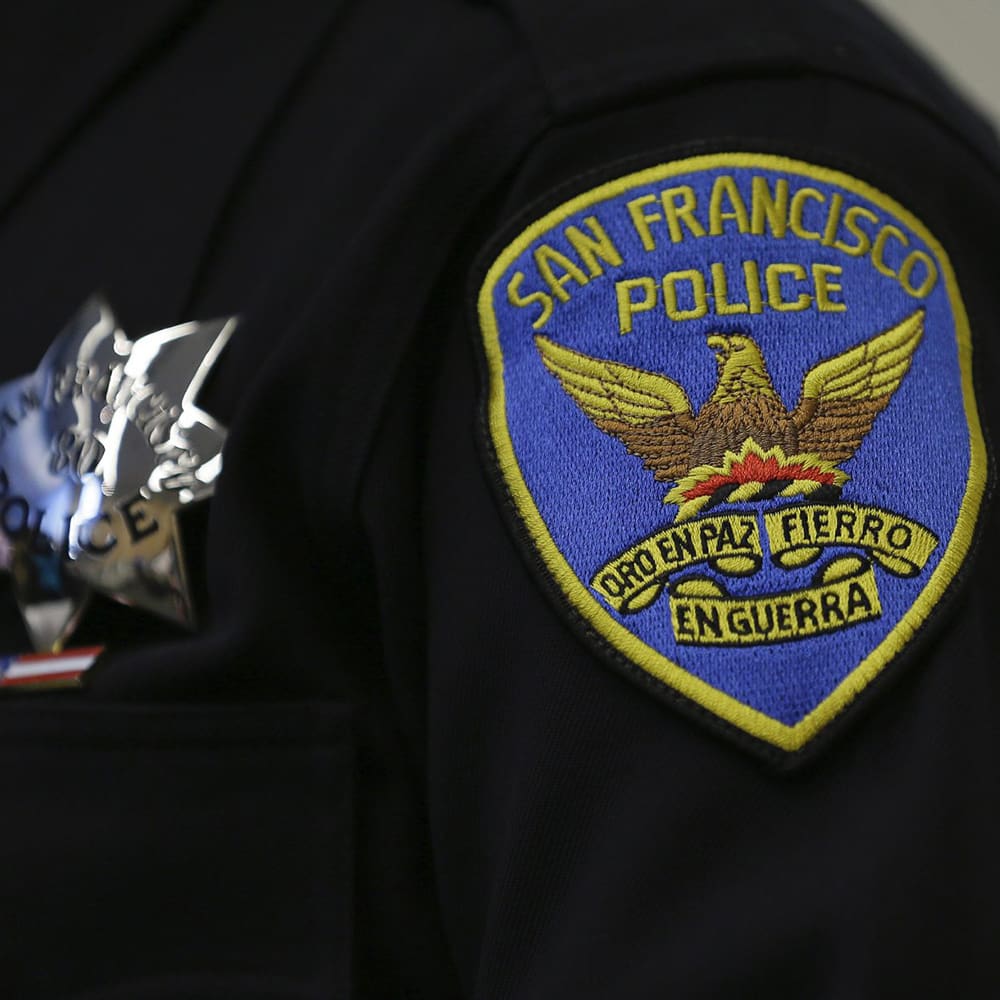
Despite strong opposition from civil liberties groups, a revised policy says that robots can be used "as a deadly force option when risk of loss of life to members of the public or officers are imminent and outweigh any other force option available to the SFPD."
At this time, the city's police force has over a dozen robots.
The robots that were acquired between 2010 and 2017, include heavy-duty models that can climb stairs, robots with tank treads that can defuse bombs and a small robot that can deliver an instantaneous video and audio feed.
None of them have ever been equipped with weapons or live ammunition, the SFPD said. The SFPD also said that at this time, there are no plans to fit them with any.
However, under the revised policy, the "robots could potentially be equipped with explosive charges to breach fortified structures containing violent, armed, or dangerous subjects or used to contact, incapacitate, or disorient violent, armed, or dangerous suspects who pose a risk of loss of life to law enforcement or other first responders,” the department said in a statement.
"Robots equipped in this manner would only be used in extreme circumstances to save or prevent further loss of innocent lives," they added.
The issue here is that, the SFPD have to define the authorized uses of its robots and other military-grade equipment due to a California law that went into effect this 2022.
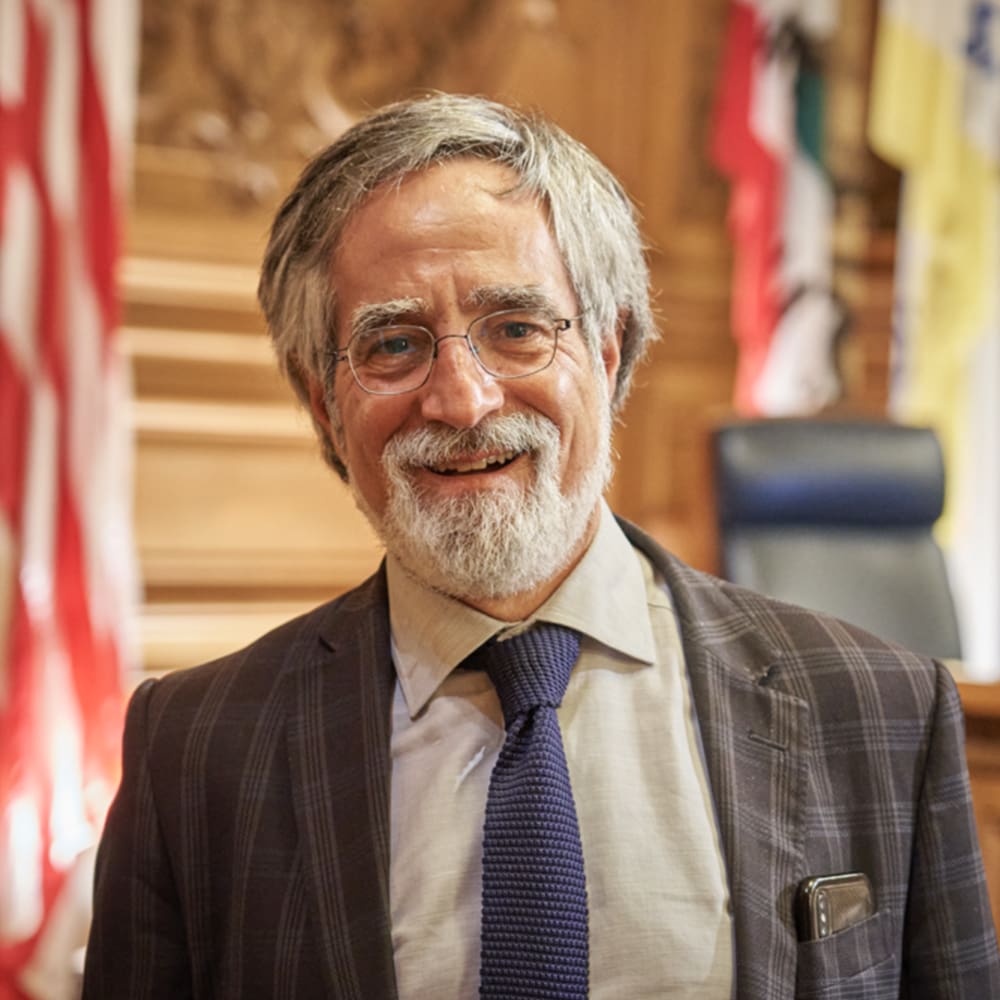
"Robots shall not be used as a Use of Force against any person," added Aaron Peskin, a Board of Supervisor member, to the SFPD's original draft policy.
The board only approved the policy by adding additional amendments, stating that officials can only use robots with explosive charges after they had exhausted all alternative force or de-escalation tactics.
And more, the board requires only a limited number of high-ranking officials to be able to authorize the use of robots as a deadly force option.
Read: Just Say No To 'Killer Robots'

The use of killer robots isn't actually new and far from hypothetical.
In 2016, the Dallas Police Department ended a standoff with a gunman suspected of killing five officers by exploding a bomb attached to a robot in what was believed to be the first lethal use of the technology by an American law enforcement agency.
The U.S. military in particular, has also been using armed drones to attack targets from afar.
Among all of San Francisco's supervisors, only Shamann Walton, Dean Preston and Hillary Ronen voted "no" on approving the policy.
According to Preston, allowing the use of killer robots to kill people is "deeply disturbing" and a "sad moment" for the city.
He knows how biased Artificial Intelligence can be, and when it's equipped in those killer robots, the police is putting "Black and Brown people in disproportionate danger of harm or death."
Before the proposal can become the law, the policy must first be approved again by the board, and signed by Mayor London Breed, a Democrat who has expressed support for the proposal.
"If the police are called to serve in a situation where someone intends to do harm or is already doing harm to innocent people, and there is technology that can help to end the violence and save lives, we need to allow police to use these tools to save lives," Breed’s office said in a statement.
The advantages of using robots to deliver deadly force can be highly effective, and safe.
And when human lives are at stake, robots create distance between the police and a potential threat, giving officers more time to make decisions without putting themselves in harm’s way.
While this is not Officer Alex James Murphy from OCP Crime Prevention Unit 001 at all, and the fictional world of RoboCop is far from reality, the world is slowly embracing the fact that AI-powered robots can be useful.
And if it's normalized, the so-called "killer robots" would soon become tools that the police could use in certain situations.
According to Aaron Peskin, the policy was developed in response to a state law enacted in 2021, that required law enforcement agencies across California to seek the approval of their local governing bodies to use military-style equipment.
Responding to the law, the San Francisco Police Department proposed a policy governing a range of equipment in its possession, including a long-range acoustic device, sometimes referred to as a sound cannon, a BearCat armored vehicle and a 40-millimeter launcher that can deploy chemical agents.
Read: Microsoft's Deal To Supply AR Headsets To The U.S. Military For 10 Years




















































































































































































































































































