Google is known to operate a vast number of country-specific domains, known as ccTLDs (country code top-level domains)—such as google.co.id for Indonesia, google.co.uk for the UK, google.fr for France, and so on.
This is a carefully curated strategy Google has been doing for more than many years.
This however, is going away.
Google Search is now getting rid of all of these country ccTLD in favor of using google.com globally.
In a blog post, Google said that the change aims to "streamline people’s experience on Search."
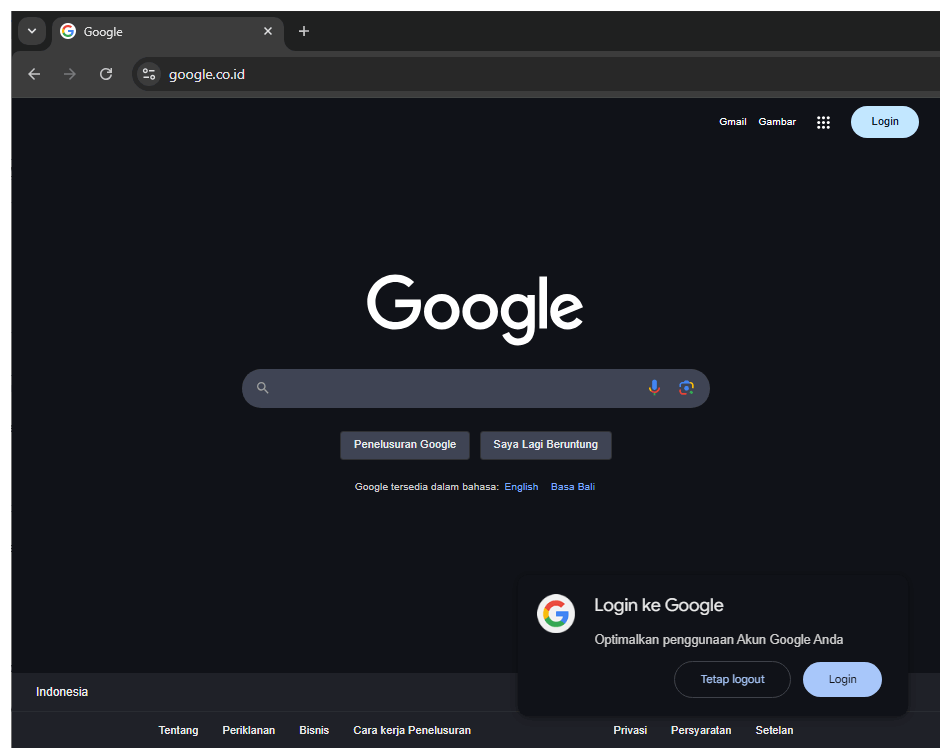
"Because of this improvement, country-level domains are no longer necessary. So we’ll begin redirecting traffic from these ccTLDs to google.com to streamline people’s experience on Search. This change will be rolled out gradually over the coming months, and you may be prompted to re-enter some of your Search preferences in the process."
Google’s use of country-specific top-level domains (ccTLDs) isn’t merely a branding choice—it’s a multifaceted strategy that serves technical, legal, and user experience goals.
For starters, localization plays a central role. Every country has its own language, culture, and online habits. By operating different domains, Google can customize search results based on regional interests, offer native-language interfaces, and deliver a user experience that feels familiar and relevant.
There’s also a legal dimension. Different nations have different laws—on data privacy, censorship, content removal, and more. Having a ccTLD allows Google to tailor compliance for each jurisdiction, keeping operations compartmentalized and legally sound.
Trust is another key factor. Users tend to feel more comfortable using a domain that reflects their country. A local TLD can subtly boost user confidence—and from an SEO perspective, it signals geographic relevance, helping local content rank better in regional searches.
Lastly, spreading traffic across many localized domains helps Google manage global demand more efficiently. This distribution reduces latency, enhances performance, and ensures that services remain fast and responsive, even during peak usage.






















































































































































































































































































