Indonesia's recent implementation of the Core Tax Administration System (Coretax) on January 1, 2025, aimed to modernize and streamline tax processes.
By overhauling the nation's tax infrastructure, the government hopes that it can enhance efficiency, transparency, and compliance
However, the transition has encountered significant challenges, indicating that the nation may not have been fully prepared for its deployment.
Shortly after its launch, Coretax faced numerous problems, including system crashes, data mismatches, and difficulties in issuing tax documents.
These issues disrupted business operations and led to widespread user dissatisfaction. The Directorate General of Taxes (DGT) acknowledged these challenges and apologized for the inconvenience caused to taxpayers.
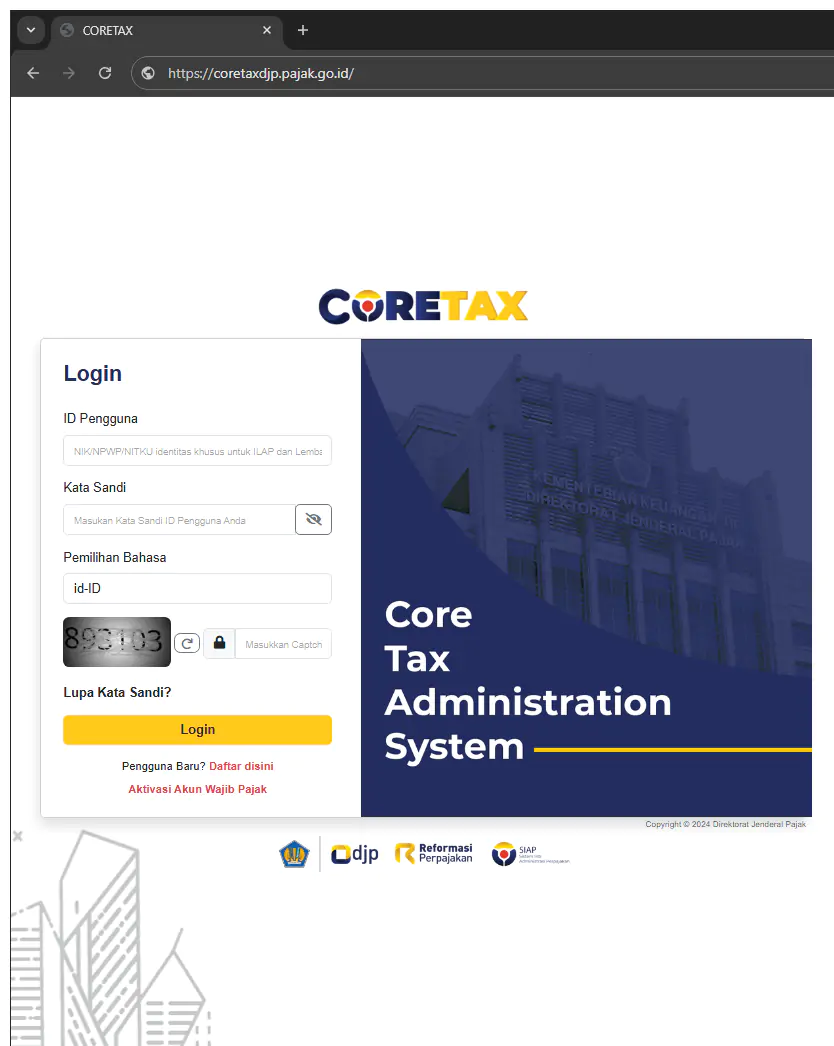
The impetus for Coretax stemmed from the pressing need to reform Indonesia's tax administration.
With a tax-to-GDP ratio of only 12.1% in 2022, lagging behind regional and global benchmarks, the system was plagued by inefficiencies stemming from outdated, manual processes.
Recognizing these challenges, the government initiated the development of Coretax to streamline operations, improve data accuracy, and bolster revenue collection.
The development of Coretax was a monumental task, involving the integration of multiple tax functions into a centralized system. The project aimed to automate and digitalize tax administration services, enabling taxpayers to obtain services independently and fill out tax return forms automatically, as well as enhancing transparency for taxpayers.
The official rollout of Indonesia's Core Tax Administration System (Coretax) on January 1, 2025, was initially met with optimism, aiming to modernize and streamline tax processes. However, users soon encountered significant issues that disrupted business operations and led to widespread frustration among taxpayers.
One of the primary challenges was system instability. Users reported frequent crashes and access problems, hindering essential tasks such as creating VAT invoices and withholding tax slips. These technical difficulties severely impacted businesses' ability to comply with tax obligations promptly.
In addition to instability, the Coretax system experienced slow response times, particularly during peak hours. Pages loaded slowly or failed to load altogether, causing delays in tax reporting and compliance. This sluggish performance further exacerbated frustrations among taxpayers and disrupted business operations nationwide.
Users also encountered bugs in critical features like reporting, data validation, and tax automation. These issues resulted in runtime errors and validation failures, indicating that the system may have undergone insufficient quality assurance and user acceptance testing before its launch.
In response to these persistent challenges, the Directorate General of Taxes (DGT) decided to temporarily revert to the previous online system to ensure continuity in tax administration services. This move underscores the necessity for a more robust implementation strategy, comprehensive testing, and effective user adaptation to fully realize Coretax's potential.
Addressing these infrastructural shortcomings is crucial for enhancing the system's reliability and regaining taxpayer trust in Indonesia's digital tax administration.
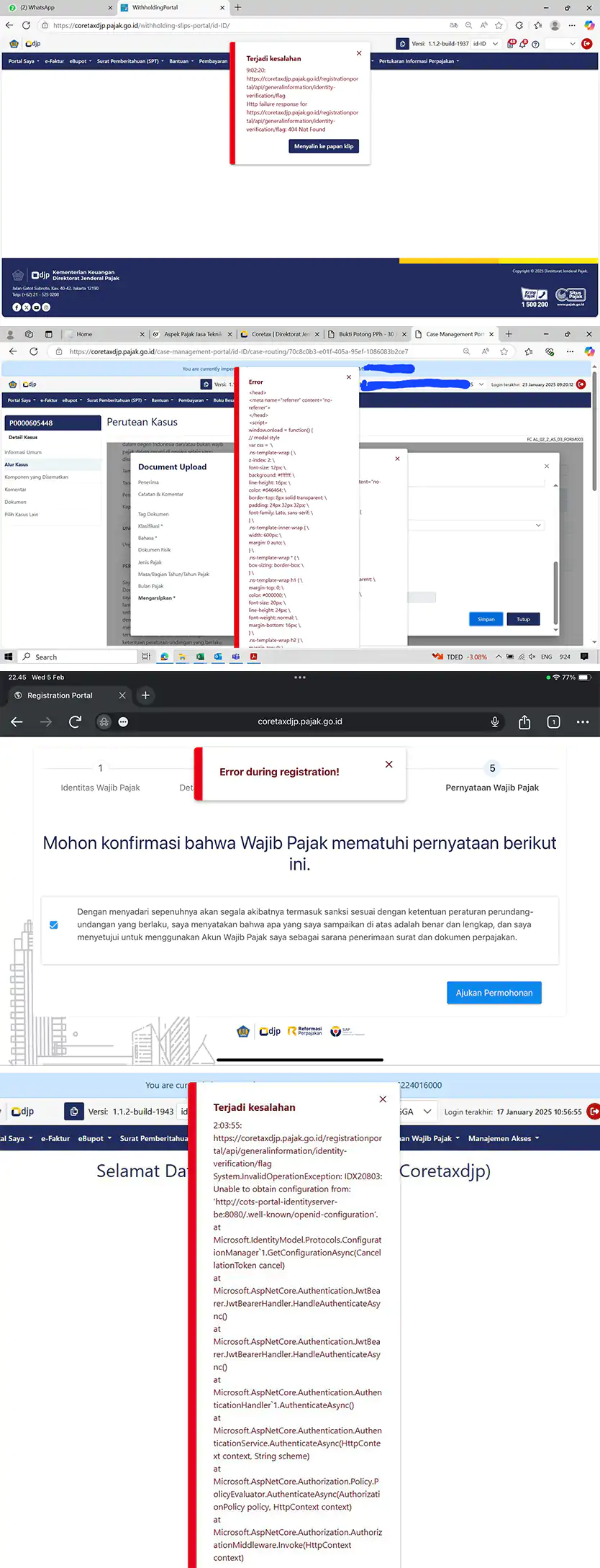
Experts have identified several critical issues contributing to Coretax's rocky start.
They include, and not limited to, the lack of technological infrastructure readiness, insufficient training and adaptation among tax officials and taxpayers, inadequate quality assurance and user acceptance testing before the system's rollout have resulted in operational inefficiencies.
Due to persistent issues, the tax office decided to revert to its previous online system to ensure continuity in tax administration services.
This move underscores the unpreparedness for a full transition to Coretax and highlights the need for a more robust implementation strategy.
Sri Mulyani Indrawati, Indonesia's Finance Minister, has been pivotal in the development and implementation of Coretax.
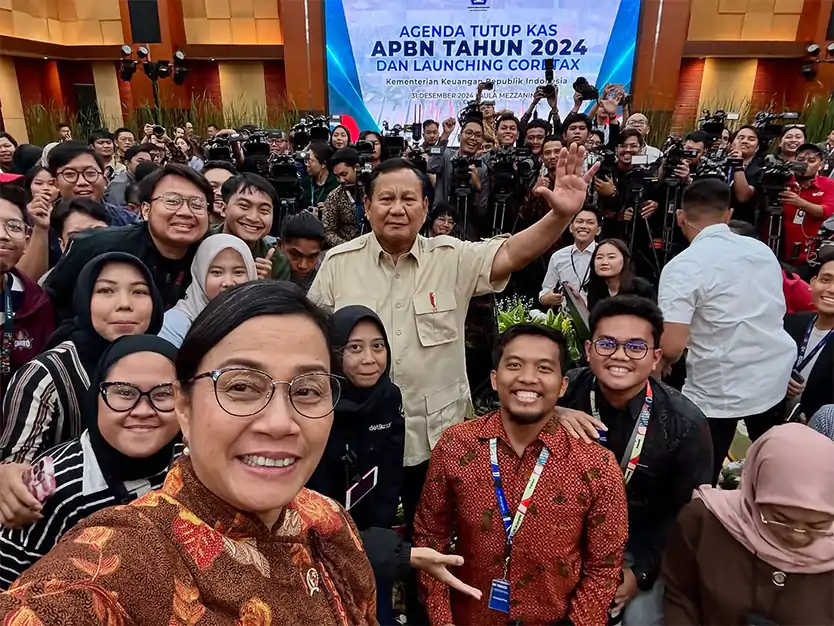
Sri Mulyani Indrawati, Indonesia's Finance Minister, has been pivotal in the development and implementation of Coretax.
Under her leadership, the government initiated Coretax to automate and digitalize tax administration services, aiming to enhance efficiency and transparency.
Acknowledging the system's challenges post-launch, Sri Mulyani committed to continuous improvements, recognizing the complexity of managing approximately 8 billion transactions.
Her dedication to tax reform underscores her central role in modernizing Indonesia's tax infrastructure.
The Coretax initiative underscores the complexities inherent in large-scale digital transformations.
While the goal of modernizing Indonesia's tax administration is commendable, the challenges faced highlight the importance of meticulous planning, stakeholder engagement, and adaptive strategies. As Indonesia navigates the path forward, these lessons will be instrumental in shaping a resilient and efficient tax administration system.






















































































































































































































































































