In the mid-coronavirus pandemic, online companies, like those in the adult industry, make use of the so-called Rule 34 and benefit from impact of the virus.
But for others, like Playboy Magazine, things go from bad to worse.
After being unable to compete with online nudity, and killed by the internet, the iconic brand announced that its Spring issue would be its last printed publication for the year in the U.S..
In an open letter posted on Medium, CEO Ben Kohn said that:
"We will move to a digital-first publishing schedule for all of our content."
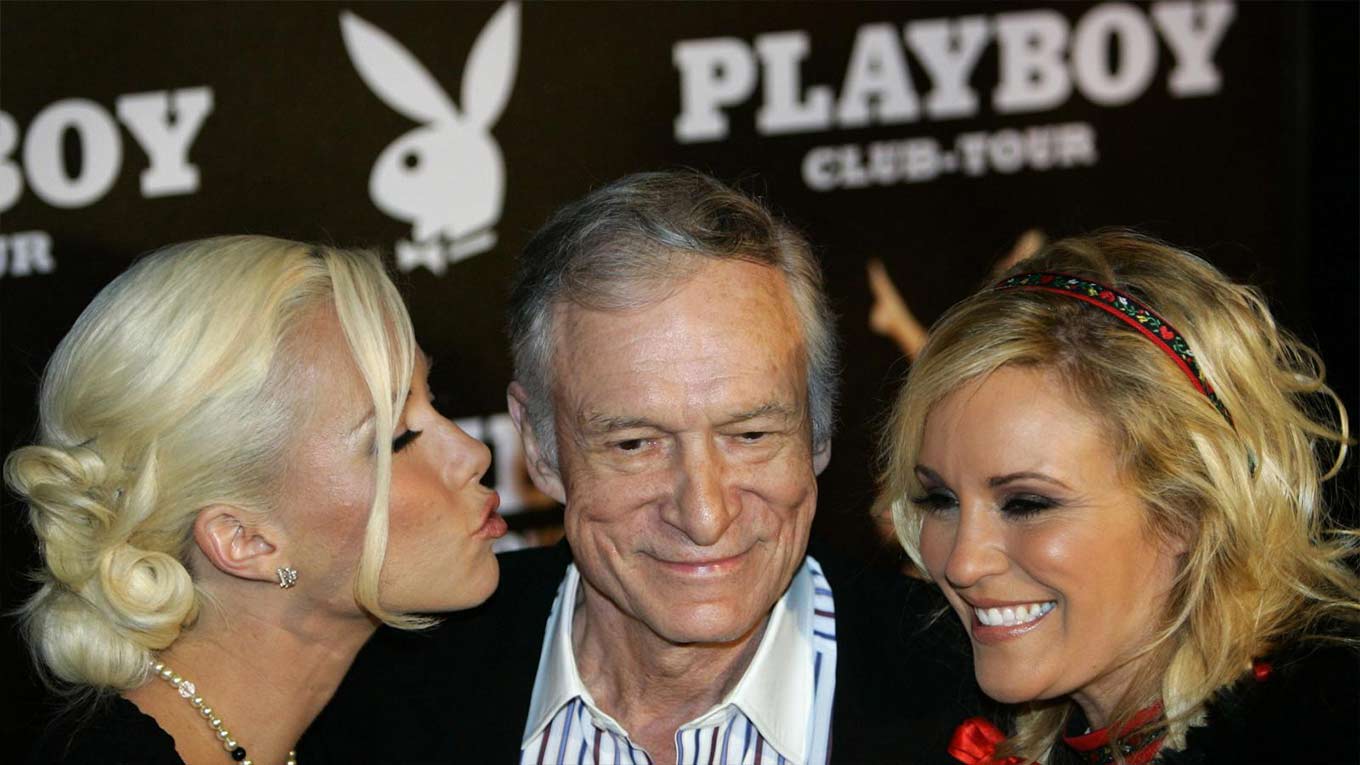
Kohn added that Playboy has gradually been transitioning to a digital-first strategy over the past few years, boosting its social media presence with original content specifically tailored the internet.
Despite its struggling shift from print to digital, Playboy Magazine isn't shy about experimenting with its content.
Back in 2015, it was revealed that the company was starting to cover up its models to seduce millennial audiences. In fact, its very first non-nudity issue had a distinctive Snapchat aesthetic to it. That approach however, didn’t last.
In 2017, Playboy chief creative officer and son of Hugh Hefner, Cooper Hefner, announced the brand is bringing back nudity.
“Today we’re taking our identity back and reclaiming who we are,” he said at the time. “I’ll be the first to admit that the way in which the magazine portrayed nudity was dated. Nudity was never the problem because nudity isn’t a problem.”
Playboy Magazine was first published in December of 1953 by Hugh Hefner, who put Marilyn Monroe on the cover. Since then, the company blazed a path forward for the sexual revolution.
At its peak, in the early 1970s, the company sold more than 7 million copies in a single month.
But things started to go bad for the company, after the internet reached the sufficient reach and speed to put high-quality images and videos to the web. Things go downwards since the easiness of accessing nudity has never been as easy.
Since then, Hefner's creation was losing millions of dollars a year.

In fact, the magazine was losing about $1 million an issue after moving to a quarterly magazine without any advertisement in early 2019. And with Playboy asking for $25 for the print, the company's losses added up to between $4 million to $5 million a year.
In other words, online porn dragged Hefner’s empire down.
“It’s no surprise that media consumption habits have been changing for some time … [and] our content in its printed form reaches the hands of only a fraction of our fans,” said Kohn.
Hugh Hefner, who died in 2017, sold the company to a private equity firm in 2011, and transferred the ownership of his iconic Playboy Mansion in Los Angeles.
He died with very little money to his fame.
The company has been announcing the end to its print magazine for awhile, but the decision came more quickly as the disruption of the coronavirus pandemic that affected its content production and its supply chain.
Playboy as a company still thrives. by mostly benefiting from its trademark, which is the well-known bunny logo. The logo has been made available on a wide range of consumer goods, with Kohn saying that it has given Playboy “over $3 billion in annual consumer spend worldwide.”






















































































































































































































































































