Supercomputers in the world, mostly run on Linux.
In the Top500 Supercomputing competition revealed in June 2017, it was concluded that 498 out of 500 supercomputers were running Linux. The two remaining were a pair of Chinese IBM Power computers running AIX (an open operating system from IBM based on a version of UNIX).
Since the November 2016 Top500, the two computers have fallen behind, dropping their positions over 100 places.
When the first Top500 supercomputer list was conducted in June 1993, Linux was barely shining, and had not adopted Tux as its mascot. Starting in 1998 when it first appeared on the Top500, Linux quickly dominated the supercomputing market.
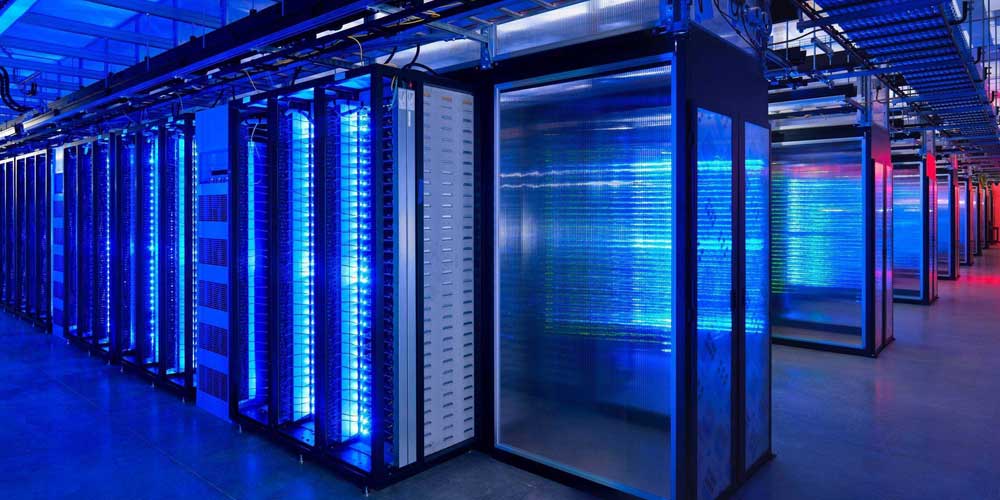
Before Linux became dominant in the supercomputing market, UNIX was the top operating system. It was in 2003 that the Top500 flipped from being 96 percent UNIX to being 96 percent Linux. By 2004, Linux had taken over the lead, putting UNIX far down.
The reason for Linux's supremacy in the market, was because of people can easily modify or optimize the operating system. Supercomputers are built for specialized tasks that are unique in requirements, making a custom operating system not affordable to be developed for each system.
The second reason is the licensing cost. Tapping into the vast open-source Linux community, projects can access free support and resources.