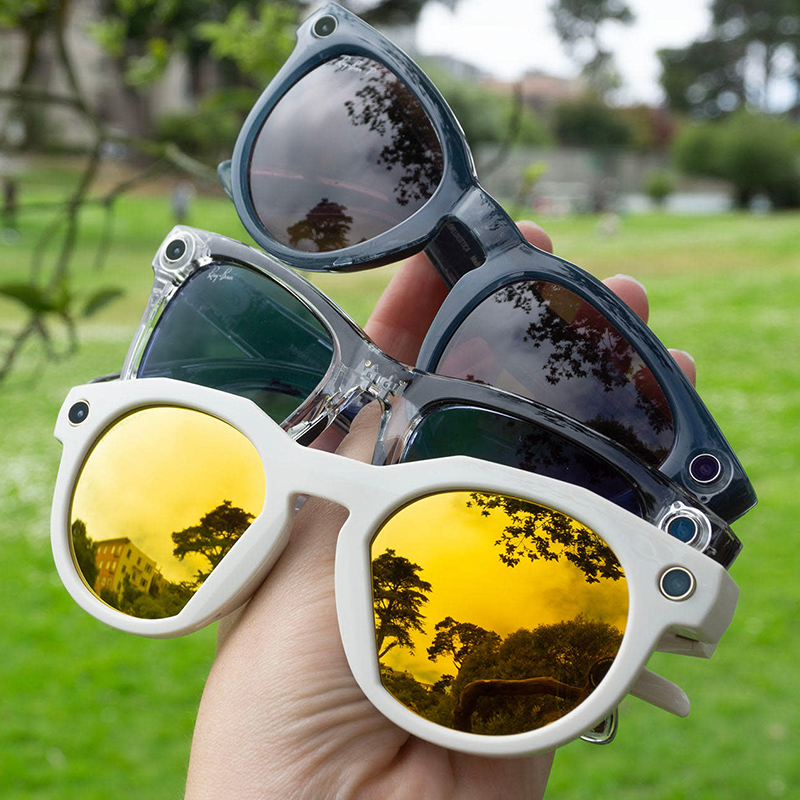
In the ever-evolving world of wearable technology, Meta's Ray-Ban smart glasses have emerged as a sleek fusion of fashion and AI, promising users hands-free video capture, real-time object recognition, and seamless integration with Meta's AI assistant.
Launched with much fanfare, these glasses that resemble ordinary eyewear but equipped with built-in cameras and microphones, allow wearers to record point-of-view footage during activities like cycling, driving, or even thrilling roller coaster rides, or to query the AI about their surroundings, such as identifying landmarks or translating signs.
However, beneath this glossy exterior lies a deeply troubling reality: reports from multiple sources reveal that these devices are inadvertently capturing and transmitting highly sensitive, intimate videos to human data annotators, exposing users' most private moments to strangers in far-flung locations.
According to an investigation by Svenska Dagbladet, what started as a tool for convenience has spiraled into a privacy nightmare, with whistleblowers detailing how footage of people engaging in sex, using the bathroom, or undressing is being reviewed by underpaid workers in Kenya, all in the name of training Meta's AI models.
The process begins innocently enough.
When a user activates the glasses' AI features, perhaps like by asking, "What am I looking at?" the device captures short video clips, typically ranging from five to thirty seconds, though the exact duration remains frustratingly opaque in Meta's documentation. These clips are uploaded to Meta's servers for analysis, where automated systems are supposed to handle the heavy lifting.
But here's where it gets explicit and invasive: not all processing is automated.
To refine the AI's understanding of visual data, Meta outsources annotation tasks to third-party contractors like Sama in Nairobi, Kenya, where teams of workers, often earning minimal wages and bound by strict non-disclosure agreements, manually review the footage.
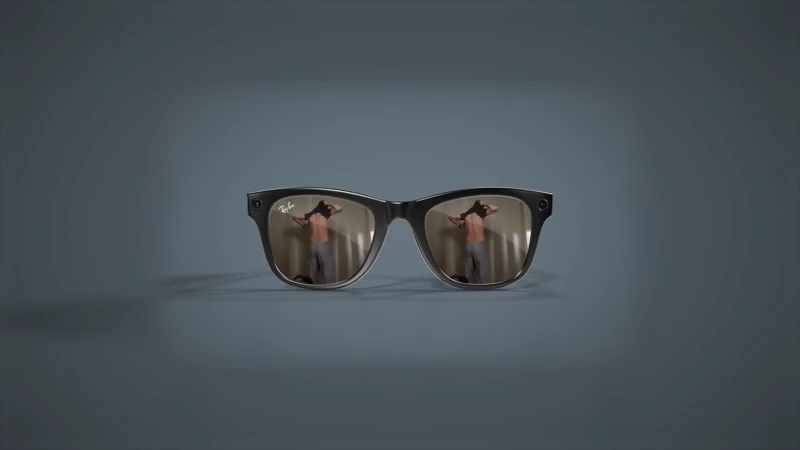
These annotators draw bounding boxes around objects in the videos, labeling everything from everyday items to, alarmingly, sensitive content that slips through the cracks.
Examples abound: one worker described viewing a video where a man sets the glasses on a bedside table, only for the camera to capture his wife changing clothes, fully exposed.
Another recounted scenes of users watching pornography or engaging in full sexual encounters, with the glasses inadvertently recording partners in vulnerable states, naked, post-coital, or even mid-act.
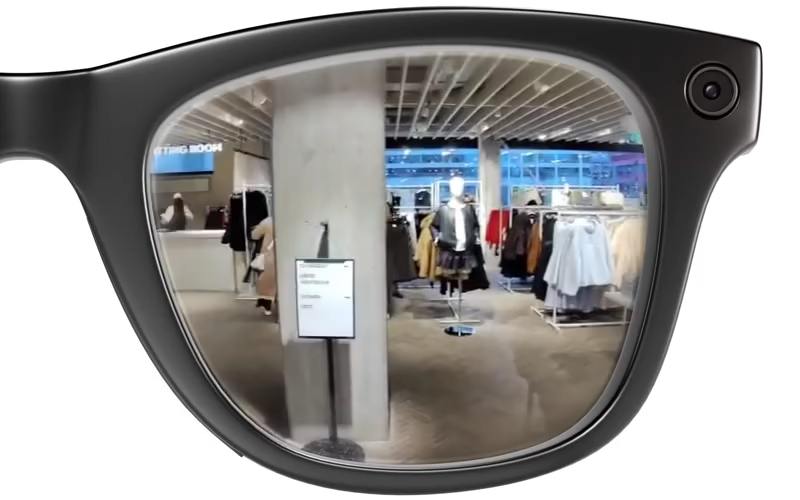
Financial details aren't spared either; credit card numbers and bank information have appeared in clips, raising fears of data breaches or identity theft.
Meta insists that sensitive data isn't supposed to reach human eyes, relying on algorithmic filters to redact or exclude it, but former employees admit these systems are far from foolproof, especially under varying lighting conditions or when users forget to disable recording.
User consent, or the lack thereof, sits at the heart of this scandal.
To use the AI capabilities, wearers must agree to Meta's terms of service, which vaguely state that interactions, including conversations and visual data, may be reviewed "automatically or manually (human)" to improve the technology.
But the fine print buries the details: audio recordings from the glasses are stored on Meta's servers for up to 90 days, and video clips are shared with subcontractors without explicit warnings about the potential for human eyes on intimate moments.
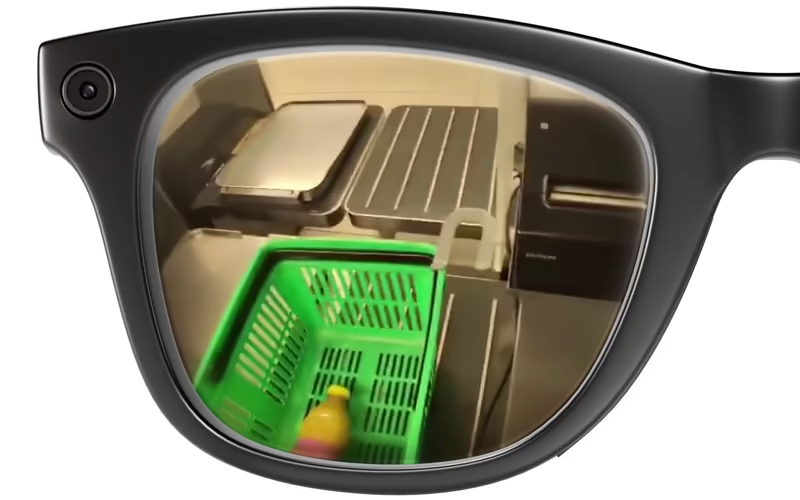
In Europe, this practice may violate GDPR regulations, which demand transparency in data handling, especially when personal information is processed outside the region.
Data protection experts argue that users aren't truly informed; one lawyer noted that once footage enters Meta's AI pipeline, individuals lose all control, as the data becomes fodder for training large language models that interpret the world.
Whistleblowers from the annotation teams echo this, saying, "I don’t think they know, because if they knew they wouldn’t be recording." Indeed, the glasses' design exacerbates the issue: the red LED indicator that signals recording can be disabled in just five minutes, allowing for surreptitious filming in public or private settings.
This has led to online "pick-up" videos where wearers capture interactions with unwitting strangers, often in one-party consent states, further blurring the lines between personal use and pervasive surveillance.
Meta's response to these revelations has been predictably evasive.
When pressed for specifics, the company points back to its privacy policy and terms, declining to elaborate on storage durations, exact clip lengths, or the frequency of human reviews. Network traffic analyses show the glasses' app frequently pinging servers in Sweden and Denmark, but Meta offers no clarity on what data traverses these paths.
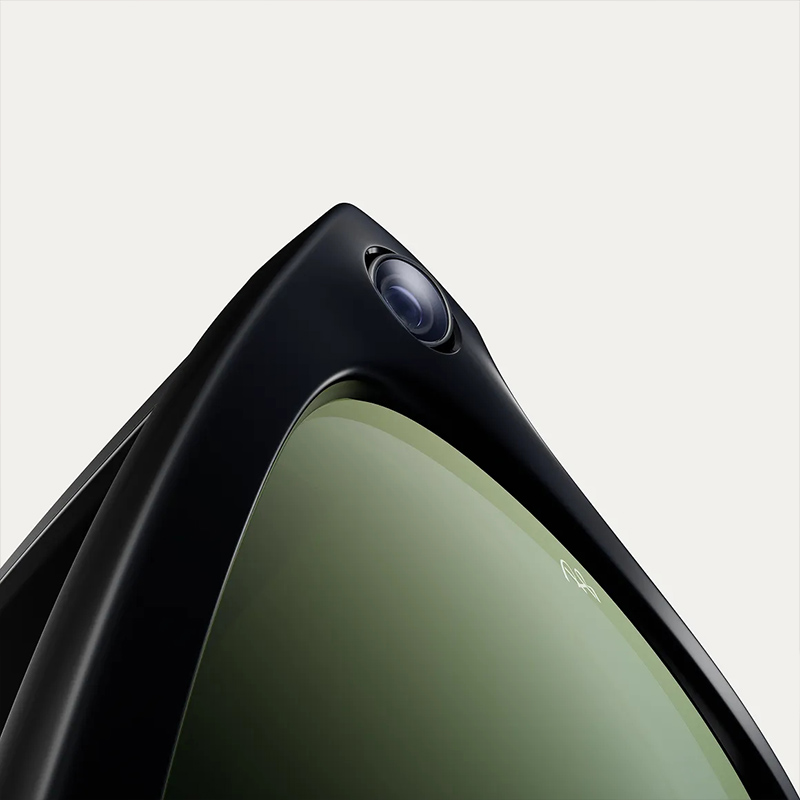
Meta presses on, with sales skyrocketing to over seven million pairs in 2025 alone, fueled by features like facial recognition that identify people in real-time, a capability that alarms privacy advocates given law enforcement's growing interest in such tech.
The human cost is stark: annotators in Kenya report feeling traumatized by the content, forced to watch explicit videos or risk unemployment, all while Meta reaps the benefits of refined AI without bearing the ethical weight.
Amid this backlash, countermeasures have emerged in the form of mobile apps, designed to detect and alert users to the presence of smart glasses like Meta's Ray-Bans or Snap's Spectacles nearby.
When running, these apps scan for Bluetooth signals emitted by these devices, identifying unique manufacturer codes to notify users of potential surveillance.
For instance, the apps can pick up Meta's identifiers and ping users' phone if someone wearing the glasses is within range, though it risks false positives from similar hardware like VR headsets.
While the apps' goal is to give people their privacy back, they also ignited heated privacy debates, with proponents hailing it as a tool for reclaiming personal space in an era of "luxury surveillance," where everyday items double as recording devices.
Snap defends its glasses by noting built-in privacy features like audible recording cues and LED lights, but Meta has remained silent on the app.

This unfolding saga with Meta's Ray-Ban glasses serves as a cautionary tale for the future of AI-integrated wearables.
What users perceive as private enhancements could become vectors for exploitation, with intimate lives dissected by anonymous workers halfway across the globe.
The annotators' accounts paint a vivid picture: a man filming his partner post-bathroom, oblivious to the eyes watching; a couple's bedroom antics labeled for AI training; everyday vulnerabilities turned into data points.
If these practices continue unchecked, we risk normalizing a surveillance society where no moment is truly off-limits, all under the guise of technological progress.






















































































































































































































































































