Bitcoin and other cryptocurrencies are generally stored in wallets that are protected by passwords and private keys.
There is no way to recover the passwords or the private keys once they're gone or forgotten. When this happens, no one should be able to withdraw the virtual currency from that wallet.
Unlike traditional banking systems with retrieval options, losing the password or the private key to a cryptocurrency wallet means a permanent lock out of the wallet.
As time passes, and as owners of the wallets either pass away, or forget the passwords or private key, or misplaced the fund, or hardware issues, or other reasons, an increasing amount of Bitcoins are lost.
According to report, around 6 million BTC, or approximately 30% of Bitcoin’s total supply, cannot be retrieved. This amounts to a staggering $554 billion in value.

Bitcoin is considered irretrievable if the owner is not willing, or is not able to access their wallet, for whatever reasons.
When this happens whatever inside the wallet is considered permanently lost.
Grand, an engineer and also a hacker, shows that there is a way, when hope is considered lost.
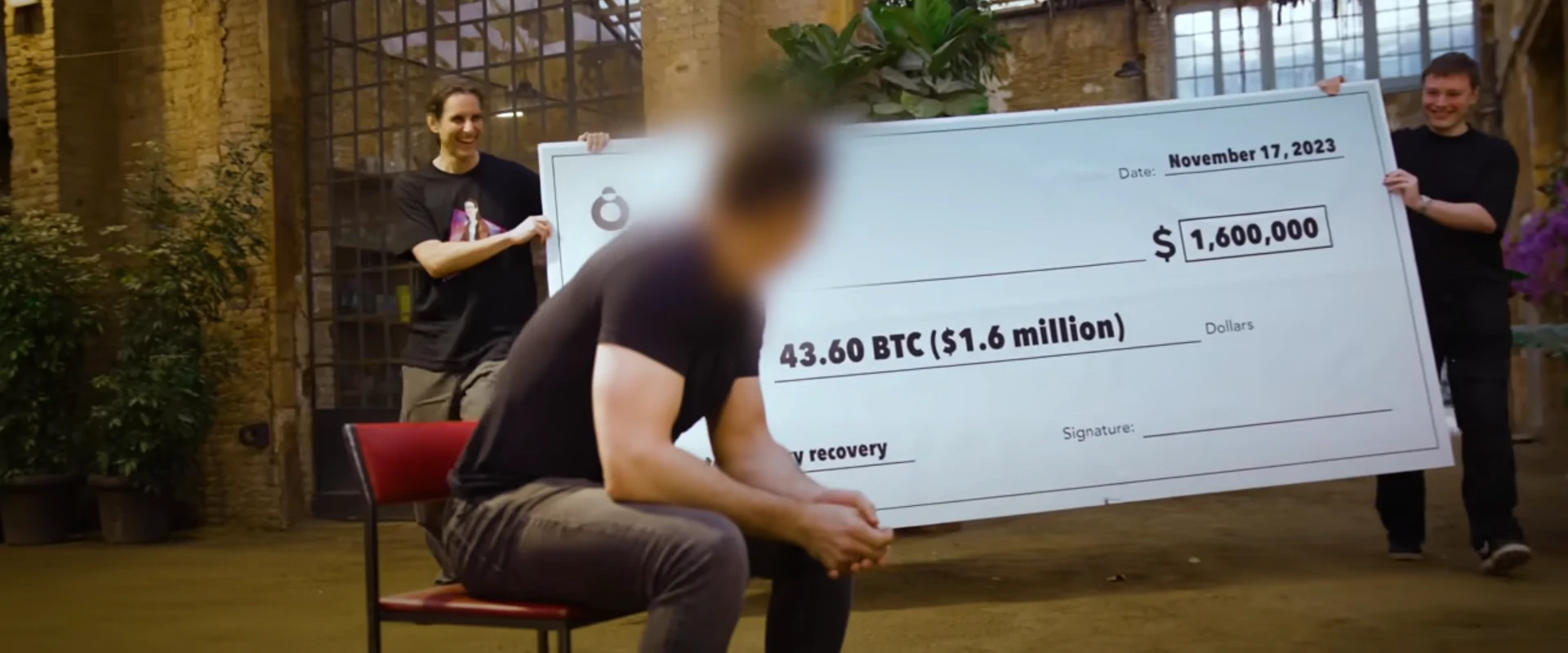
And one of his biggest achievements, was cracking an 11-year-old password, and regain access to a Satoshi Nakamoto-era cryptocurrency wallet, with 43.6 BTC in it.
This translates to around $3 million when it was recovered.
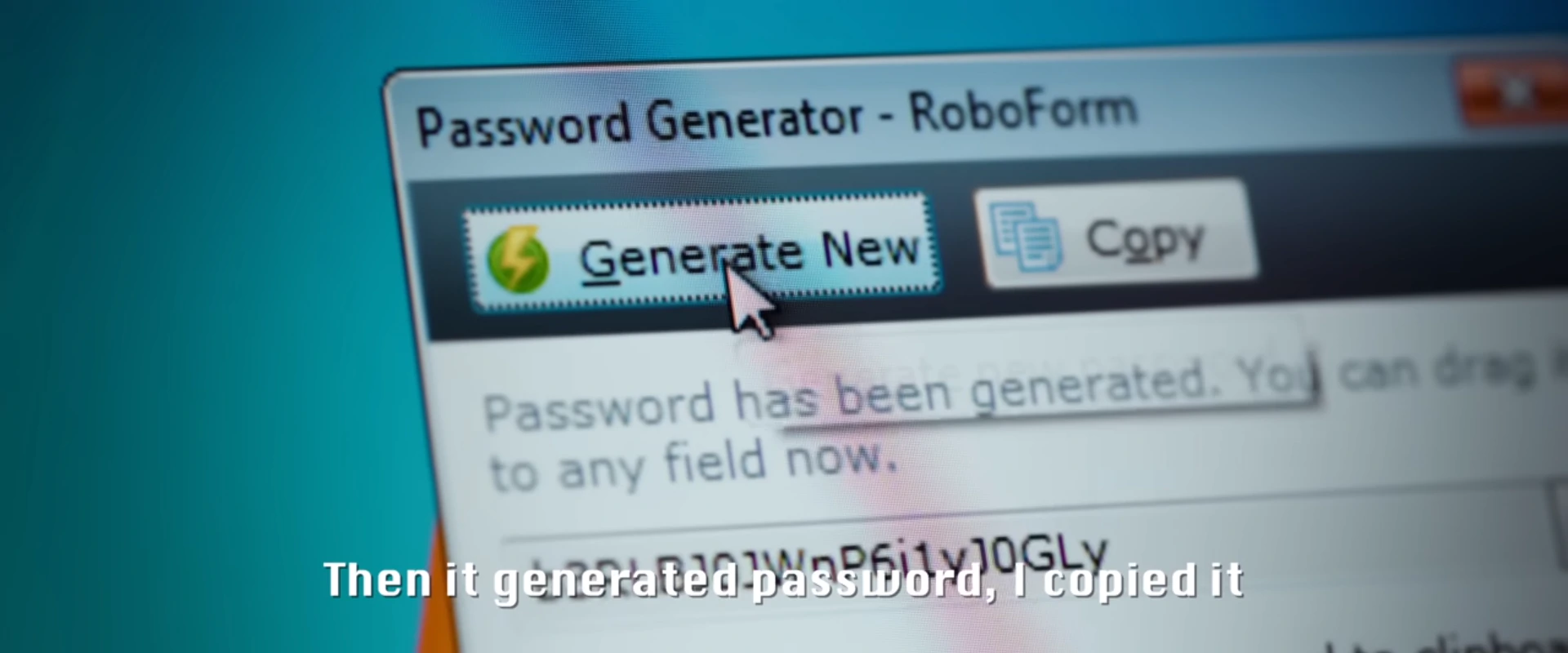
It all began in 2013, when Michael, a man who lives in Europe, stored his 43.6 BTC in a digital wallet, and used a password managed called RoboForm to generate a unique 20-character password.
After the password manager created a strong password, Michael saved this password as a text file, and then encrypted the file with TrueCrypt.
Then, the unfortunate incident happened.
The encrypted file went corrupt.
What this meant for Michael, he could no longer access the password to access the digital wallet that holds his Bitcoins.
"I was worried that someone would hack into my computer and obtain the password," he said.
Michael, having exhausted all conventional methods, reached out to data recovery specialists, but none held out much hope.
So Michael asked Grand, who has been active as a hardware hacker since he was 10 years old, and a member of the well-known hacker group L0pht.
In the past, Grand was able to hack in to hardware wallets of users who had forgotten their PINs.
In all, he successfully recover $2 million worth of virtual currency.
With a proven track record, Michael believed Grand could help him.
But Grand initially declined.
He declined because the cryptocurrency was stored in a software-based digital wallet, rather than a hardware-based one that Grand was accustomed of cracking.
However, Grand was convinced, when he suspected there was a flaw in the way RoboForm generates passwords.
So he contacted Bruno, a friend from Germany, a fellow hacker, and accepted Michael's request.
Grand, who is known as "Kingpin" in the hacker community, gained popularity after appearing on "Prototype This!" back in 2008.
He started by installing the same version of the password manager Michael used in 2013.
This is where Grand realized that RoboForm was using a predictable pattern to generate passwords.
Grand found that its method was tied to the date and time of the user's computer.
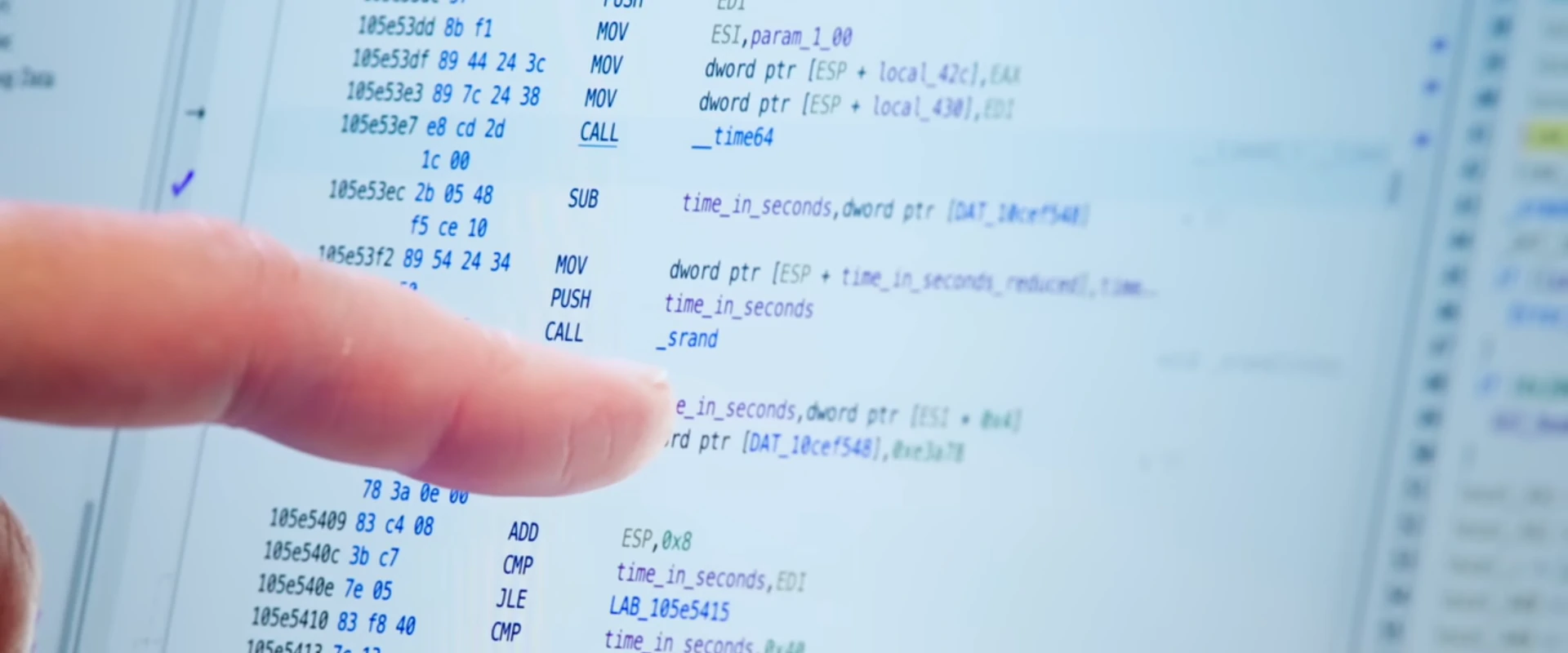
What this means, in theory, if the date, time, and other parameters such as special characters are known, it is possible to calculate any password generated at a specific date and time in the past.
But another obstacle was encountered, when Grand was told that "Michael could not remember when he generated his password in 2013."
As a workaround Grand checked the wallet's logs, and found that Michael had moved bitcoin to the wallet for the first time on April 14, 2013.
With this information, Grand and his team used historical data to set up the password manager to generate 20-character passwords containing uppercase letters, lowercase letters, numbers, and eight special characters between March 1 and April 20, 2013, and later, between April 20 and June 1, 2013.
"Grand and his team came to me multiple times and asked me if any of these passwords looked familiar," Michael said. "I don't even remember when I generated the passwords, more than a decade ago. I was really annoyed with Grand and his team."
But still, they couldn't access the wallet.
When all hopes were almost lost, Grand and his team discovered that some of the passwords generated in 2013 did not contain special characters.
With this new information, they continued to generate passwords without special characters based on this parameter.
Then suddenly, they made it.
Grand and his team eventually identified the password, and that it was generated at 4:10:40 pm on May 15, 2013.
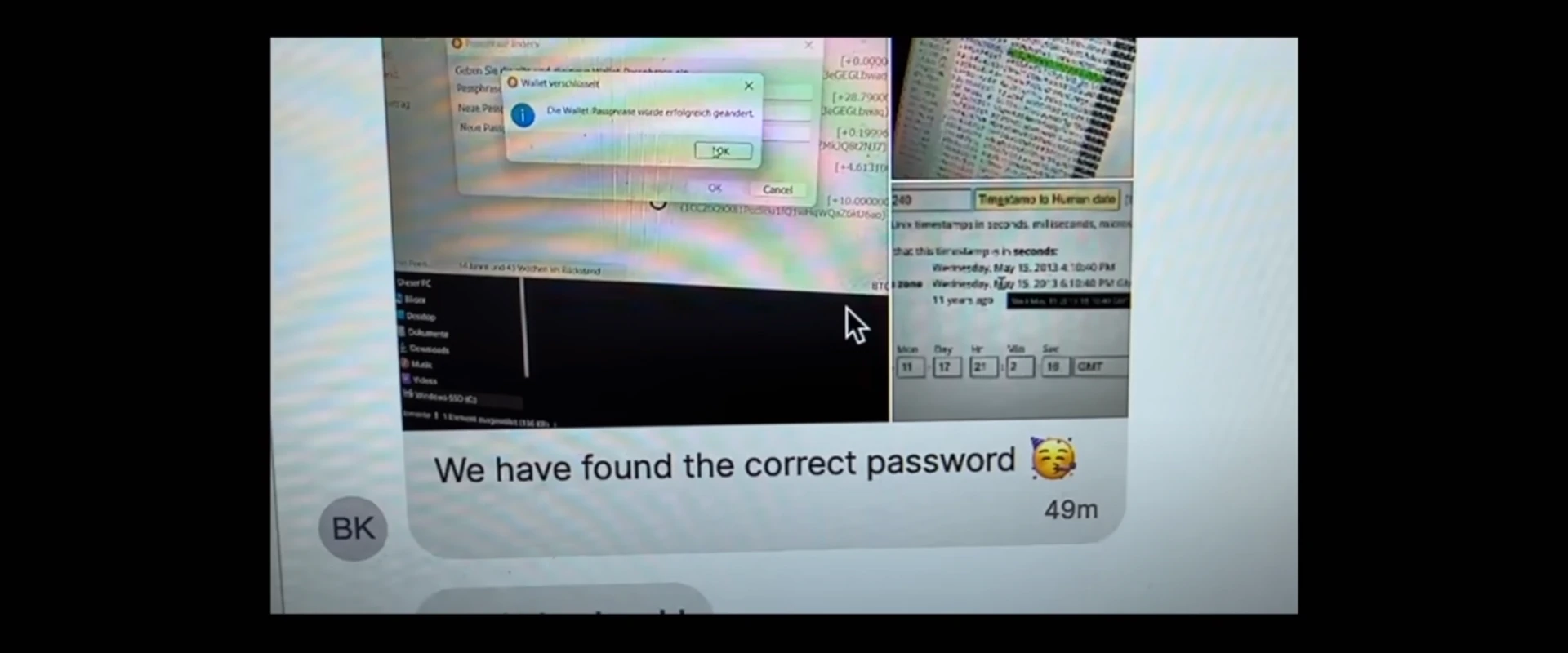
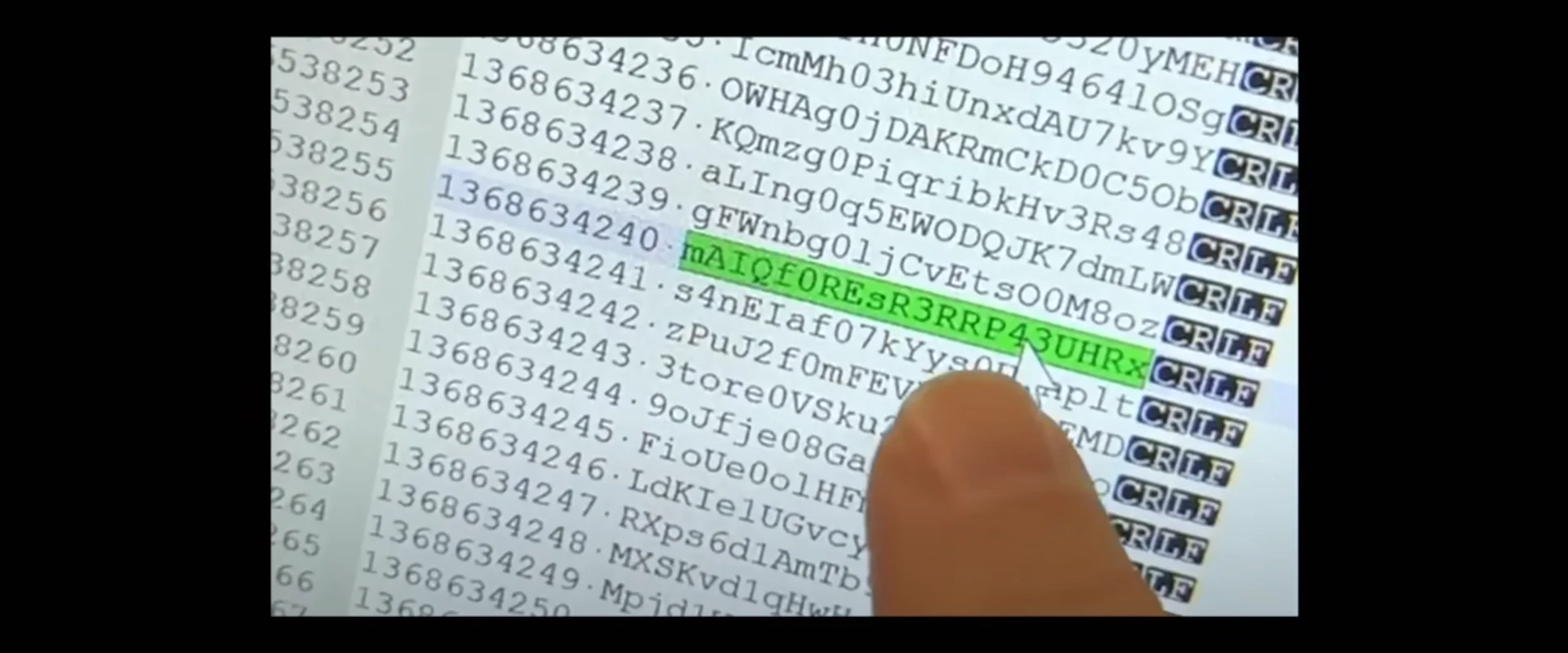
"It took a fair amount of time, but the appropriate parameters we used and the time range we specified led to us identifying this password," Grand said.
The process involved a combination of advanced techniques and, as Michael himself acknowledges, a healthy dose of luck.
In return, Grand and Bruno received a portion of his Bitcoin as compensation.
After that, Michael sold a small portion of the Bitcoin and retained 30 BTC, which equal to over $2 million at the market value at the time of transaction.
Michael said that he is keeping the Bitcoins as investment, at least until their prices go up to $100,000 per token.

It was way back in 2008, that Satoshi Nakamoto published a research paper called “Bitcoin: A Peer-to-Peer Electronic Cash System.”
Nakamoto then implemented Bitcoin as open source code and released it in January 2009.
The real identity of Nakamoto has been the subject of endless speculations among the people in the tech world, and among hardcore cryptocurrency community in particular. As the person who was the most responsible for the technology regarded as the biggest most influential invention since the internet, people wanted to know who the person really is.
Nakamoto's last words was in December 13, 2010.
"Safe mode can still be triggered by seeing a longer (greater total PoW) invalid blockchain," his last post on BitcoinTalk reads.
At the time of Nakamoto’s BitcoinTalk post, BTC was trading for $0.10

















































































































































































































































































