Billionaires can retire early because after all, they have the money to buy anything in this world already, without even breaking a sweat, or maybe lifting a finger.
But when the company that made them rich is at a threat, those billionaires can also be threatened.
Back in February, Google's CEO, Sundar Pichai, summoned back both Larry Page and Sergey Brin, after issuing a "code red" warning following OpenAI's revelation of ChatGPT.
The two Google founders made a return to the company, when Pichai became worried about ChatGPT becoming a potential "Google killer."
This time, Brin remains, and is looking forward to have a larger role in the company he co-founded.
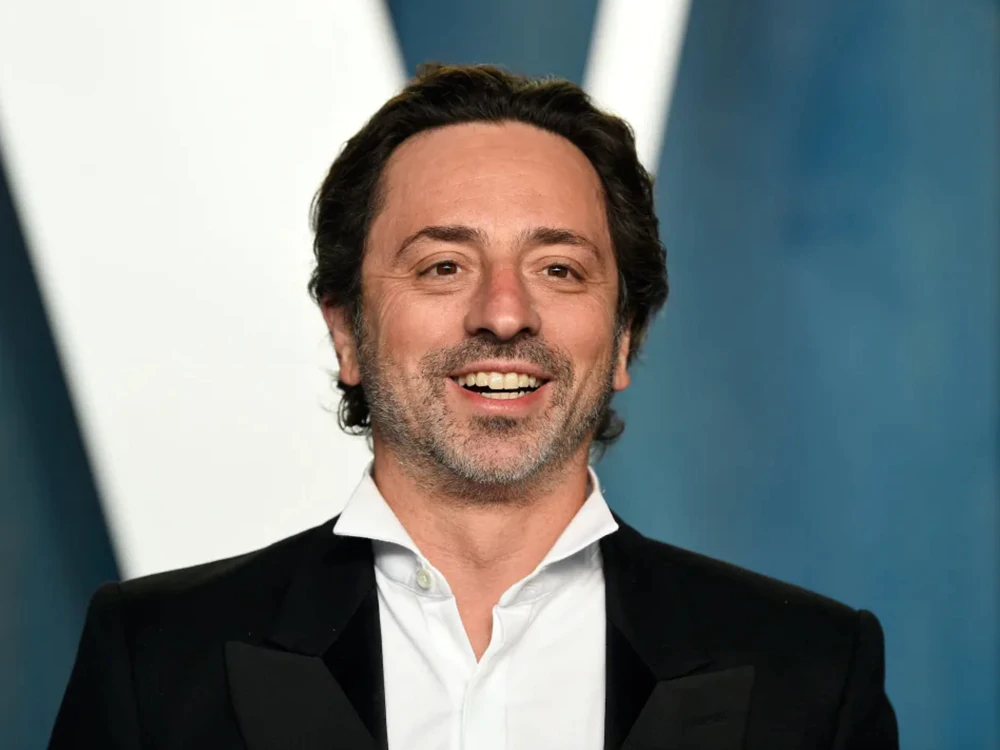
It's reported that Sergey Brin made a return, and is often seen in the tech giant's headquarters.
His intention, is to help develop the successor of Google Bard, which is touted as a more capable ChatGPT rival.
Called 'Gemini', the AI is meant to further boost Google's AI ambition, further cementing its influence in the business.
Since Brin was summoned back, and made a request for the data that trains Google's natural language chatbot, called LaMDA, Brin, who stepped down from an executive role at Google's parent company Alphabet in 2019, has become increasingly involved in the tech firm's AI strategy by working with researchers.
Brin knew that the internal development of AI in the company was kind of slow, and that since the release of ChatGPT, the company started to feel the ripple caused by the generative AI hype.
Brin's return has prompted Google to prioritize its own AI activities, showing how critical the moment is for he giant, which has found itself scrambling to keep up in an increasingly competitive and populated contest to lead the field of AI.
Some of the work Brin is making himself included, can be tied to highly technical matters such as measuring the performance of AI, said a publication, citing people familiar with the matter.
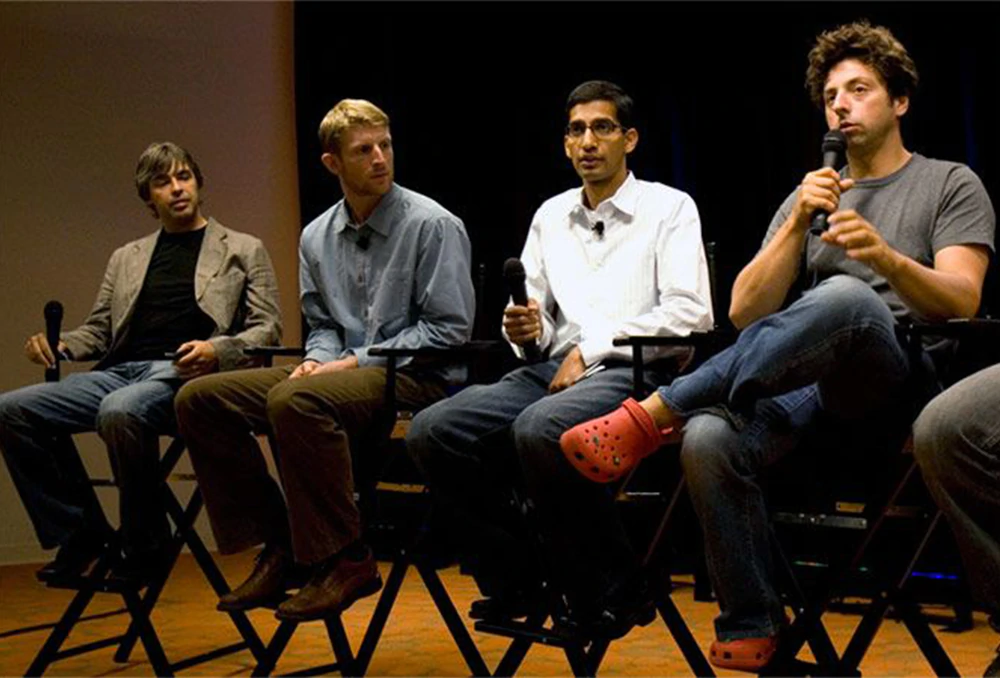
Importantly, Brin is getting involved in project Gemini.
At this time the development of Gemini is being led by Google DeepMind boss Demis Hassabis.
Officially announced at I/O 2023 in May, Google said that Gemini is "created from the ground up to be multimodal, highly efficient at tool and API integrations and built to enable future innovations, like memory and planning."
The AI is still in training, and is touted as an AU model designed to rival the GPT-4 model underlying OpenAI's technology.
Brin also appears to be discussing more about the finer details related to technology and putting out some internal discussions and meetings related to the world of AI research.
These include the interventions linked to personal issues, like the hiring of talented and experienced researchers as well.
Brin is spending more of this time at the Charleston East building, where Google places many of its AI teams.
According to Google, Charleston East is where the company puts forward sustainability, by placing "an essential focus on sourcing healthy materials and reducing waste to create a vibrant, healthy place for everyone."
It's said that Brin is visiting the Google's office 3-4 times a week.
Both Sergey Brin and Larry Page have relieved themselves from their executive roles at Alphabet.
While Brin and Page remain at Alphabet as co-founders, controlling shareholders, board members, and employees, they are no official roles and duties at the company, and are more focused on the development of personal projects and moonshots.
But following ChatGPT, which has been dubbed the "Google killer," Brin
Brin's code access was followed by a small technical change, where he filed a "CL," short for "changelist." It was a two line change to a configuration file, where Brin added his username to the code.
With Brin's heightened involvement, Sundar Pichai has expressed his excitement.
After all, AI has long been Brin's passion, and by having him back should help encourage the team to put even more efforts on Gemini.






















































































































































































































































































