The Singaporean government is taking steps to make sure that its citizens can keep up with technologies of the future.
Here, the Ministry of Communications and Information (MCI) urges that both young and old should have the fundamental skills and attributes to thrive in the digital age.
To do that, in the MCI's Workplan Seminar, the Ministry suggests that everyone from primary schools students to Merdeka Generation seniors to learn coding skills.
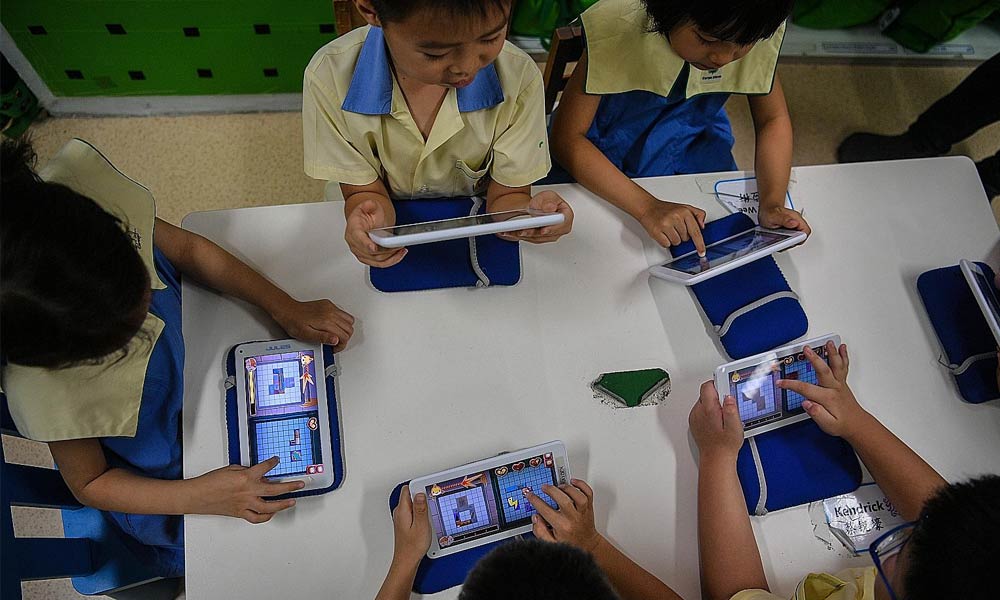
With a plotted expanded Code For Fun program, some upper primary students (Primary 4 to 6) in 2020 will receive basic coding in their curriculum. Called Code for Fun, the 10-hour program will be conducted by the Ministry of Education (MOE) and the Infocomm Media Development Authority (IMDA).
The program aims to reach out to 10,000 youths over the next three years, through activities such as training boot camps, learning journeys and competitions.
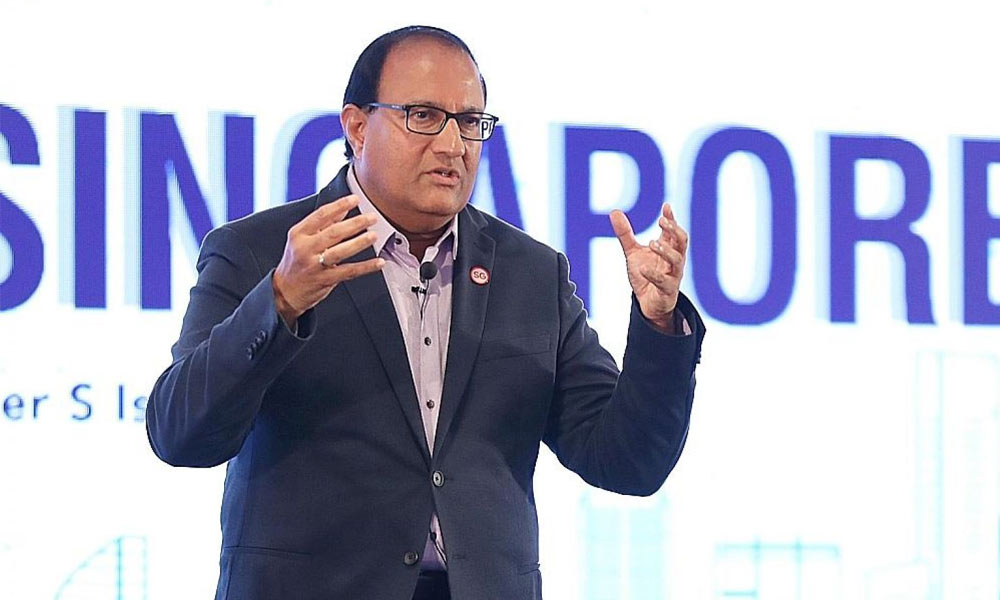
"We want this digital transformation to be inclusive so it’s not just about digitalizing our economy, but making sure our enterprises, our workforce and all our Singaporeans are able to reap the benefits," said Communications and Information Minister S Iswaran.
The program builds on previous efforts by MOE and IMDA to expose students to basic coding.
Code for Fun was piloted back in 2014, as an optional enrichment program for primary and secondary school students to learn computational thinking through basic coding. Since then, a total of 93,000 students have benefited from the classes.
IMDA said that the Code for Fun program aims to teach students computational thinking, coding concepts and problem-based learning, among others.
Emerging technologies such as AI and others are covered in this program.
At the secondary school level, the program is optional, as it is only to complement existing computing education efforts, which include computing-related Applied Learning Programs and the O-Level (elective) and A-Level computing subjects.
Some 10,000 youngsters will be provided with opportunities to explore cybersecurity as a career, as well as exposure to relevant technical knowledge and soft skills. This is done through the Singapore Cyber Youth Programme, led by the Cyber Security Agency of Singapore (CSA).
And as for seniors, an additional 100 Merdeka Generation Digital Clinics would benefit 10,000 seniors, teaching them the skills to use smartphones and navigate the social media networks.
Not just citizens of Singapore are targeted by this program, as businesses and companies are also receiving a variety of similar programs.
For example, the SME Go Digital program aims to help small and medium enterprises (SMEs) to build stronger digital capabilities.There is also the Smart Digital Packs to help new companies with competitively-priced digital solutions.
"We will accelerate the digitisation of our companies, especially our small and medium enterprises, which is probably where we need to put the greatest emphasis,” said Iswaran.
“SMEs, as all of you know, are depending on which measure you want to take, 50 per cent of GDP, two-thirds of our workforce, 99 per cent of your enterprise numbers, so whichever way you look at it, it’s an important part of our economy.”
Until July 2019, about 10,000 SMEs have benefited from these initiatives.
With Iswaran that has announced S$40 million to be set aside to support 5G technology trials in Singapore, the government is also including the program for telecommunication companies. A dedicated team from the government will look after these telecommunication companies, and work to secure 5G by design, and strengthen other aspects of Singapore’s digital connectivity infrastructure.






















































































































































































































































































