The internet is where anything can be shared. And social media has long been a place where people gather and express anything they want and wish.
But at certain times, especially during conflict, chances are, social media are becoming sources of enemy intelligence.
And Thailand is trying to avoid that.
As tensions flare along the Thai-Cambodian border, the Royal Thai Army has issued a series of urgent advisories warning citizens against posting sensitive information—especially images or coordinates of military installations, bomb shelters, and strategic locations—on social media platforms.
The warning, driven by security concerns, underscores the growing risk of unintentional intelligence leaks in the age of open digital sharing.
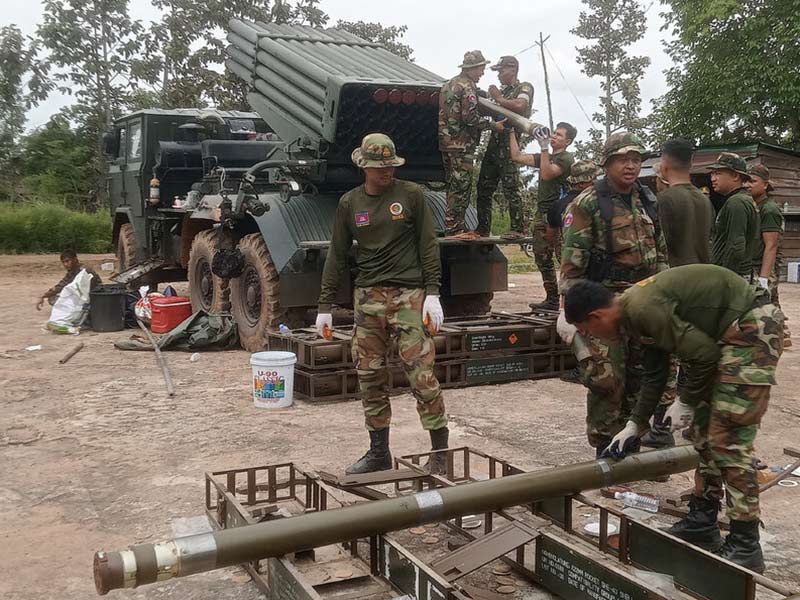
The advisory follows a significant escalation in hostilities, particularly around the contentious Preah Vihear Temple region.
On July 24, the Army’s 2nd Region Command sounded the alarm, urging residents in border areas to avoid sharing visual or locational data online that could compromise military operations or civilian safety. According to the Army, the risk is no longer limited to military personnel.
“Cambodia is not targeting soldiers, but civilians,” the Army stated, highlighting a disturbing shift in tactics reportedly observed through intelligence channels. As a result, authorities now classify the threat level as high, with unprecedented risks posed to local populations.
At 2:49 p.m. on the same day, an urgent alert was issued instructing residents in the Sao Thong Chai and Sok Kham Pom sub-districts of Sisaket Province to immediately take shelter in designated bunkers. The announcement followed reports suggesting that Cambodian forces may be shifting focus from military targets to civilian areas—potentially as a psychological warfare strategy or retaliatory move.
Military officials fear that seemingly harmless posts—such as photos of bunkers, troops, or even tagged locations—can provide adversaries with critical tactical data. With the widespread use of smartphones and the integration of social media into everyday life, authorities are increasingly concerned that metadata from shared content could be exploited by hostile entities.
A spokesperson for the Royal Thai Army stressed the importance of collective vigilance, stating, “Social media can be both a tool and a threat.” Citizens are urged to refrain from live-streaming near border zones, avoid sharing any content that reveals strategic positions, and report suspicious online activity to the authorities.

This approach reflects growing global concerns over the rise of open-source intelligence (OSINT), where enemies gather battlefield data from publicly available online content.
The Thai military’s call to action emphasizes the delicate balance between digital freedom and national security in times of conflict.
While no direct threats have been disclosed to the public, the Army insists the measures are precautionary and necessary to prevent unnecessary casualties and avoid further escalation. Citizens living in border provinces have also been asked to rely solely on official channels for updates, and to avoid spreading misinformation or inflammatory content that could inflame nationalist tensions.
As the situation remains volatile, Thailand’s military leadership is urging unity and digital responsibility, reminding the public that even a single post can have unintended and dangerous consequences.
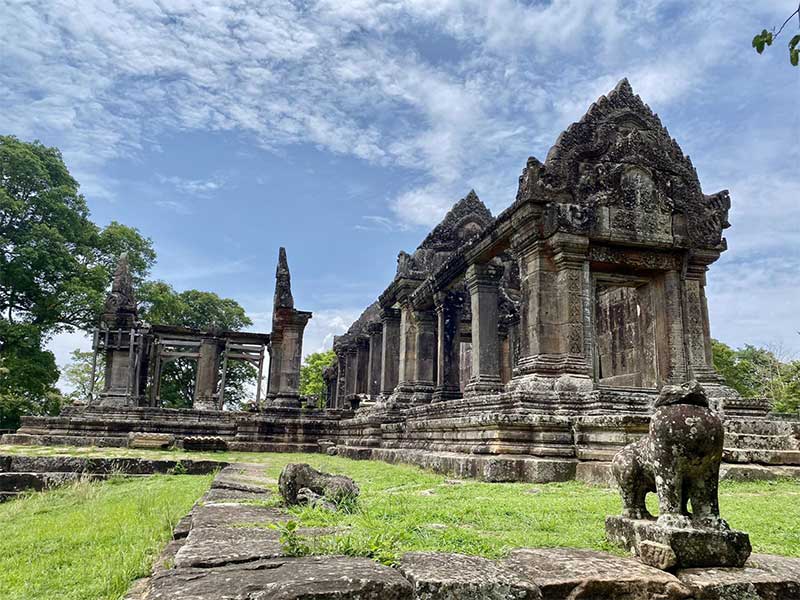
The longstanding border dispute between Cambodia and Thailand finds its origins in the Franco–Siamese Treaty of 1904, a colonial-era agreement that attempted to define territorial boundaries between French Indochina—now Cambodia, Laos, and Vietnam—and the Kingdom of Siam, present-day Thailand.
However, the treaty left room for interpretation, and the lack of precise demarcation laid the groundwork for decades of uncertainty and friction between the two nations.
Tensions over the territory reached a critical point following Cambodia’s independence.
In 1962, the International Court of Justice (ICJ) issued a landmark decision, awarding sovereignty over the ancient Preah Vihear Temple to Cambodia. While the ruling resolved ownership of the temple itself, it left the surrounding area undefined, igniting a fresh wave of nationalistic fervor on both sides of the border.
Between 2008 and 2011, the dispute escalated dramatically, marked by a series of military confrontations along the contentious frontier.
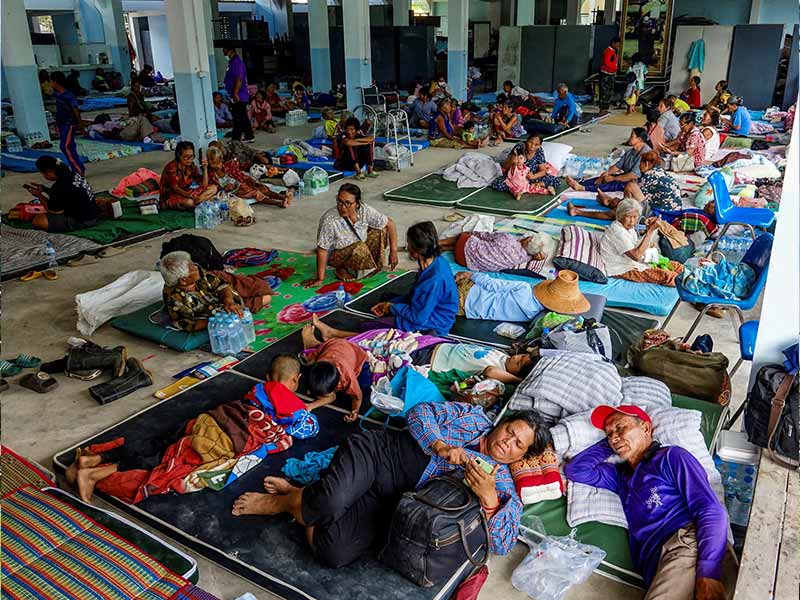
Both Cambodian and Thai forces exchanged fire in multiple incidents, resulting in casualties, destruction of cultural heritage, and the displacement of local communities. The clashes, fueled in part by domestic politics and rising nationalist sentiment, pushed bilateral relations to their most volatile point in decades.
In response to the growing hostilities, both countries returned to the ICJ, which reaffirmed its original 1962 decision.
The court called for greater clarity on the status of the surrounding area, reinforcing Cambodia's claim and urging both nations to respect international legal standards.
Despite periods of uneasy calm, the Preah Vihear dispute remains a powerful symbol of unresolved historical grievances in Southeast Asia.














































































































































































































































































