Eyes are organs of the visual system. They allow humans the have the ability to receive and process visual detail, as well as enabling several photo response functions that are independent of vision.
The ears on the other hand, are organs for hearing. They allow humans to also have the sense of balance and spatial orientation.
Together, the two organs are part of human's complex sensory organs that form part of the nervous system.
Virtual reality, or VR, is a simulated experience that can be similar to or completely different from the real world. And VR headsets are the hardware needed to project that simulated experience.
With the hardware that can completely users eyes and ears, users can see altered environments, seeing and hearing things that aren't there with them in the real world.
By altering what the eyes see and ears hear, the brain will believe that the VR headset user is somewhere else. And pair that with feedback through haptic technology, the brain can be tricked pretty easily after just a few moment wearing the headset.
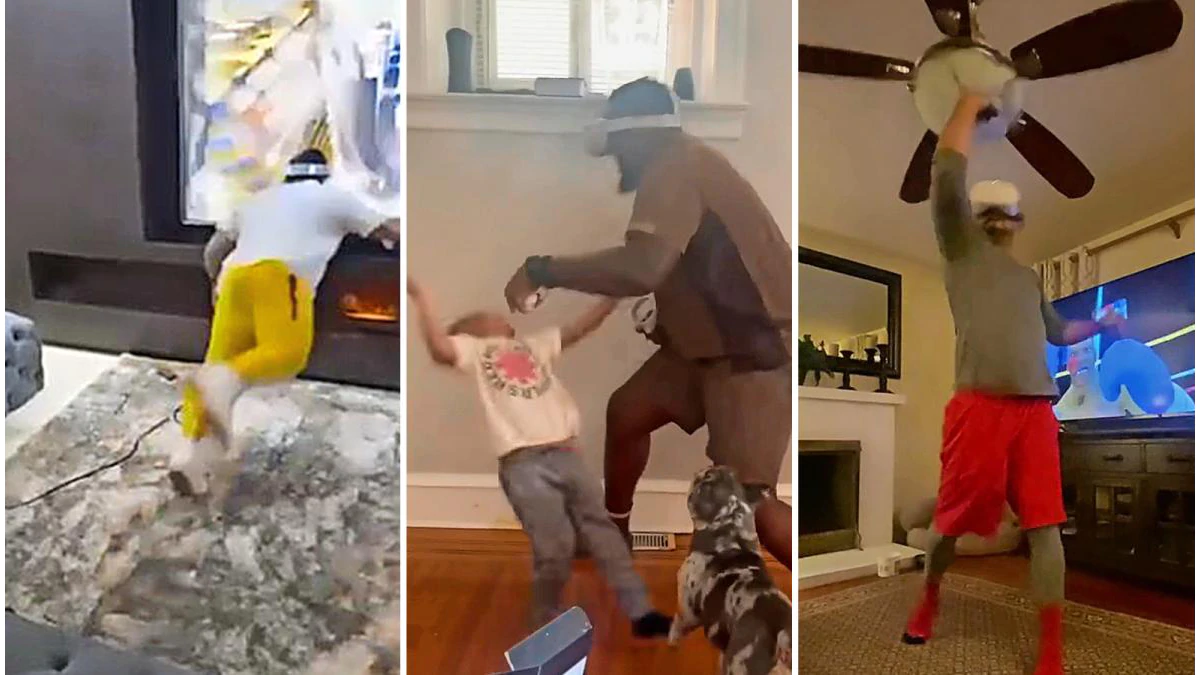
And this time, UK's largest insurer said that accidental damage involving VR headsets have surged tremendously.
Aviva, a multinational insurance company headquartered in London, has about 18 million customers across its core markets in the UK, Ireland and Canada.
The company said that it saw a large uptick in people accidentally bashing into and breaking pieces of furniture ,TVs, or some other household items.
From a man landing an upper-cut on the ceiling fan, a woman slamming into furniture, a guy smashing through a lighting fixture, a boy throwing his VR controller at his TV, a child smashing two designer figurines, and more, VR headsets can certainly cause havoc at home.
The trend of VR headset users crashing into furniture or some other household items, have jumped 31% in 2021 alone, marking an immense 68% overall increase since 2016.
"As new games and gadgets become popular, we often see this playing through in the claims made by our customers," said Kelly Whittington, Aviva’s UK property claims director.
"In the past we’ve seen similar trends involving consoles with handsets, fitness games and even the likes of rogue fidget spinners."
"These devices can be a great source of fun, but we’d encourage people to be mindful of their surroundings and take a look at their home insurance to make sure it suits their needs," Whittington added.
Aviva said the average VR-related claim for accidental damage in 2021 was about £650, often from broken TVs destroyed by some overenthusiastic gamers.
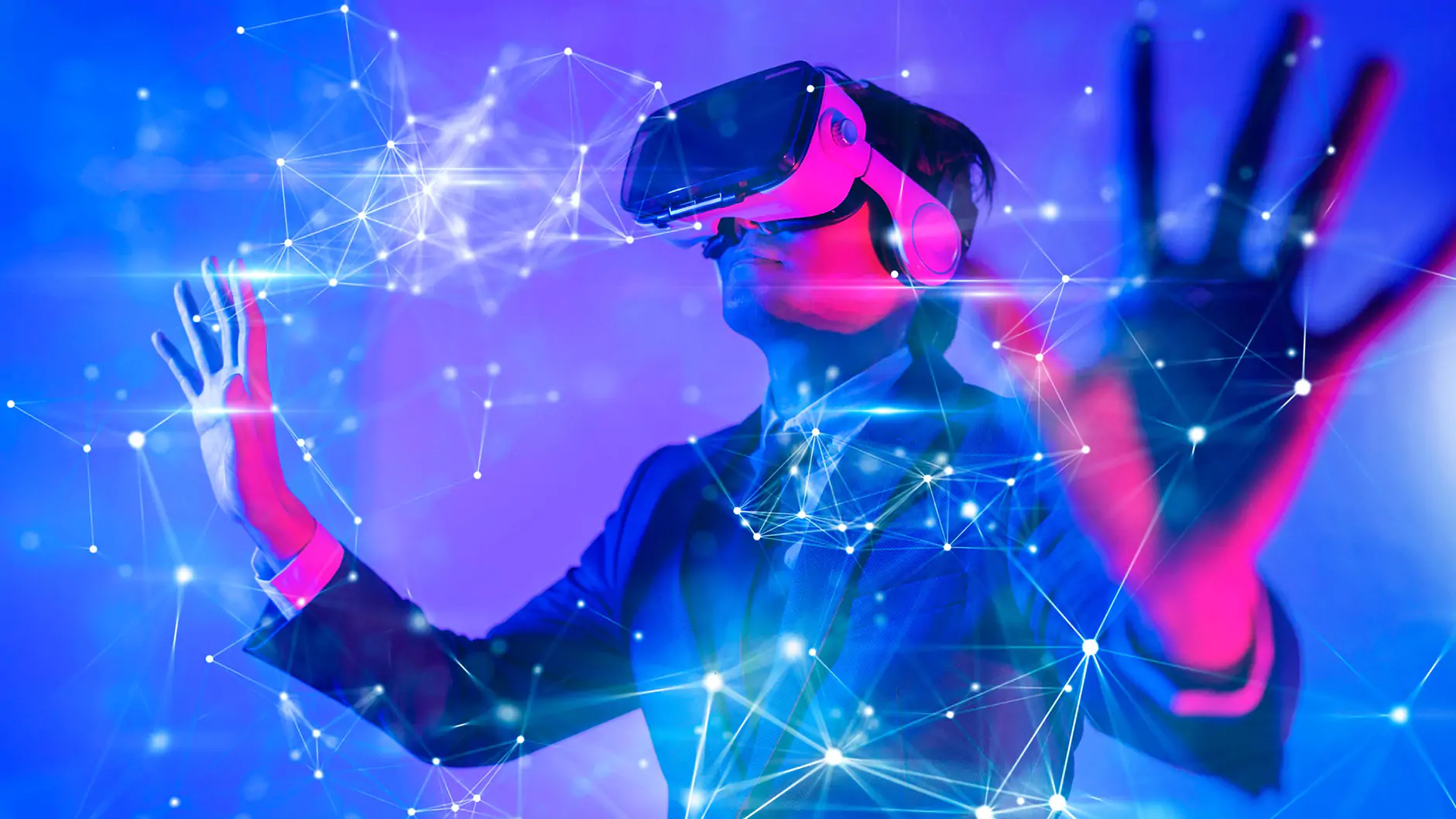
People should be more careful when playing with VR, and make sure that the area they are, is clear.
The news shouldn't come as a surprise.
Back in 2021, the world was still grappling and fighting hard against 'COVID-19' coronavirus, and vaccination was yet to gain real traction.
With many people started working from home, quarantined, and unable to do many things in public like they used to, activities involving technology had increased dramatically.
And virtual reality is one of the examples.
As VR technology becomes cheaper and more accessible, more people will be immersed with the simulated experience, and more people will likely destroy more things at home.
Aviva added that many people in the UK have received VR headsets for the 2021 Christmas, and the company said that it is already seeing claims in 2022 coming in.






















































































































































































































































































