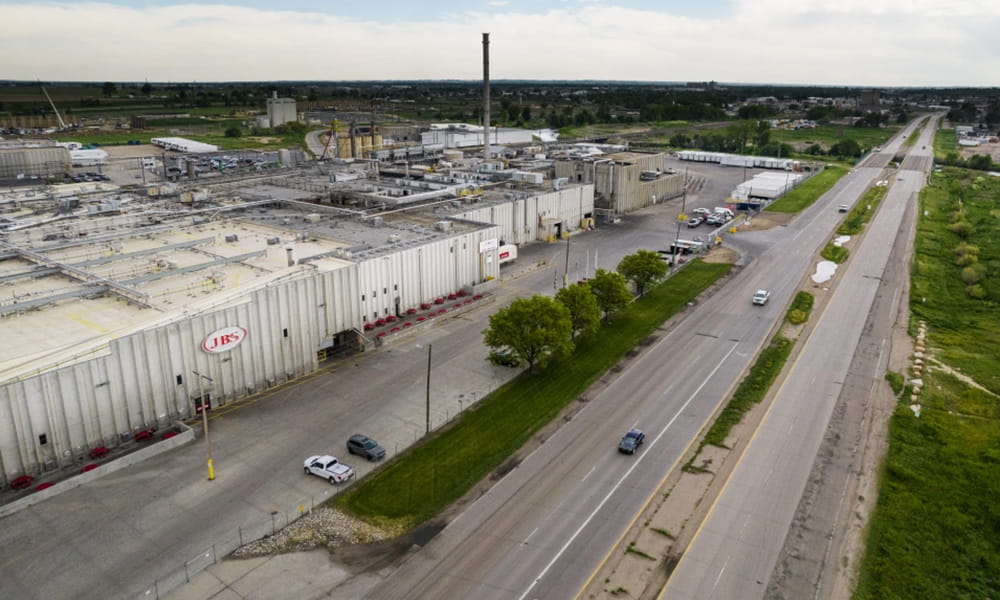
JBS USA is an American food processing company that is owned by JBS S.A., a Brazilian company that is considered the world's largest processor of fresh beef and pork, with more than $50 billion in annual sales as of 2017.
The U.S. company that is based in Colorado, said that it was the target of an “organized cybersecurity attack" affecting some of its servers supporting its North American and its Australian IT systems.
JBS said it is "not aware of any evidence at this time that any customer, supplier or employee data has been compromised or misused as a result of the situation."
"The company took immediate action, suspending all affected systems, notifying authorities and activating the company's global network of IT professionals and third-party experts to resolve the situation," the company said in its statement.
"The company’s backup servers were not affected, and it is actively working with an Incident Response firm to restore its systems as soon as possible."
While the affect the cyberattack does to customers is not direct, JBS said that "resolution of the incident will take time, which may delay certain transactions with customers and suppliers."
Previously, the U.S. experienced a massive attack that affected Colonial Pipeline.
The hack disrupted Colonial Pipeline's network, which supplies fuel from U.S refiners on the Gulf Coast to the populous eastern and southern parts of the U.S., and temporarily led to panic-buying of gasoline and gas shortages.
Former senior Department of Homeland Security official Paul Rosenzweig said that the hack, and the ransom paid by the company, has clearly encouraged non-state actors to attack potentially bigger and more financially vulnerable targets.
And this includes JBS USA.
This kind of hack “shows that nothing is safe,” said Rosenzweig. “Not the meatpacking industry, not the chemical industry, not the wastewater treatment industry, not Sony. Nothing.”
“And the only way to be safe in this world is to unplug completely. And you can't do that and be economically competitive,” added Rosenzweig.
“Until they actually pay consequences, they’ll keep doing it,” he said. “I mean, the Colonial guys got away with $50 million or whatever it was – not bad for a week’s work. Who knows what the JBS guys might get away with?”
“So long as the internet is a place of anonymity, the criminals will be able to act with impunity,” Rosenzweig added. “And why would they stop?”
Following the hack at JBS, tje company's operations at all of its U.S.-based beef plants are shut down.
But JBS is looking forward for a fast recovery.
"Given the progress our IT professionals and plant teams have made in the last 24 hours, the vast majority of our beef, pork, poultry and prepared foods plants will be operational tomorrow," said Andre Nogueira, CEO of JBS USA.
The company also said "JBS USA and Pilgrim's were able to ship product from nearly all of its facilities to supply customers."
To ensure that things work and return like they should, the U.S. Department of Agriculture has reached out to meat processors across the country to encourage those companies to accommodate additional capacity, in order to help keep the supply chain moving.
The U.S. Department of Agriculture said that it is talking to companies in the food, agriculture and retail to "underscore the importance of maintaining close communication and working together to ensure a stable, plentiful food supply."
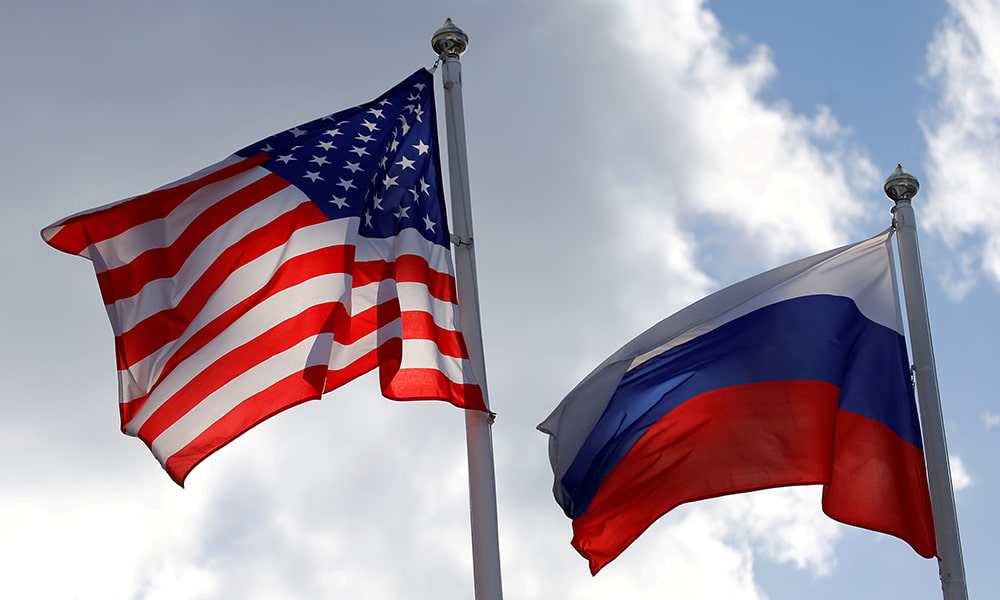
The White House said that the cyberattack "likely came from Russia."
"The White House has offered assistance to JBS and our team at the Department of Agriculture have spoken to their leadership several times in the last day," said White House Principal Deputy Press Secretary Karine Jean-Pierre.
"JBS notified the administration that the ransom demand came from a criminal organization likely based in Russia," she added.
She also said that JBS USA is working with the FBI to solve this issue.
"The White House is engaging directly with the Russian government on this matter and delivering the message that responsible states do not harbor ransomware criminals."
It should be noted though, that meat supplies in the U.S. have been affected, even before the pandemic. And because of this, the U.S. meat supply chain that is highly concentrated among only a handful of companies, has put JBS USA among others at the news.
And following the hack, five of JBS largest beef plants in the U.S. have suspended livestock slaughter following the attack. In Australia, which exports up to 75% of its red meat products, operations have also paused.
This led to many concerning that more shortage is yet to come.
It was later reported that Russian hacker group REvil, or also known as Sodinokibi, is the culprit behind this JBS USA hack.
It was then revealed that JBS USA paid $11 million in ransom in response to a cyberattack. According to JBS, the ransom was paid after most of the company's facilities had come back online.
"This was a very difficult decision to make for our company and for me personally," said Andre Nogueira. "However, we felt this decision had to be made to prevent any potential risk for our customers."

















































































































































































































































































