Smartphones are no longer devices to just own, as they have become things people cannot live without.
While people can certainly live without smartphones, but the necessities of the modern daily life and more, urge people to buy the devices. Manufacturers know this very well, and this is why the billion-dollar industry is extremely alluring for anyone wishing to make money.
It has been for quite a long time that the most famous phone manufacturers include Apple and Samsung.
The titan from the U.S. and the conglomerate from South Korea have been neck-and-neck for years, selling more smartphones than everyone else. But this time, Xiaomi surged quickly.
After experiencing a 83% year-on-year growth during the 20201 second quarter, the Chinese company has achieved 17% market share for smartphones.
What this means, Xiaomi effectively surpassed Apple, to take the number two spot in the global smartphone market, according to a report from research firm Canalys.
The Chinese smartphone maker is only behind Samsung, which remained in the number one spot with 19% market share.
We've moved up one more spot! Just in from @Canalys, we are now the 2nd largest smartphone brand worldwide in terms of shipments. This amazing milestone couldn't have been achieved without our beloved Mi Fans! #NoMiWithoutYou
RT with from your Xiaomi smartphone :) pic.twitter.com/kKfuTK8K7J— Xiaomi (@Xiaomi) July 15, 2021
Celebrating this notable achievement, Xiaomi founder and CEO Lei Jun sent a letter to all of his employees, describing how the world's number two title is a "major victory" for the company's strategy.
"Notwithstanding the celebrations now, I want to make sure we can maintain our second place steadily and firmly in the future,"
Jun knows that the smartphone market is extremely volatile.
Despite knowing that Xiaomi is already a famous brand, Xiaomi is up for an even fiercer competition due to its newfound status.
Jun who acknowledges the company's success, also announced Xiaomi's plan to expand its research and department team by hiring more than 5,000 new engineers this 2021 alone.
This planned strategy is projected to add the company's expenses to go way beyond 13 billion this 2021, compared to the nearly 10 billion yuan Xiaomi spent in 2020.
Read: 'Digital Zombies', And How The World Can Fight Or Embrace Them
Xiaomi reached this height following its numerous strategies that have been proven well in the market.
For example, the company detailed that it has decreased plastic usage for its Mi 10T and Mi 10T Pro series packaging to around 60%, and that by the end of 2021, Xiaomi aims to achieve even higher percentage of plastic reduction in the packaging of its new products in Europe.
Xiaomi also achieved a number of security and privacy certification that ensures "all data that leaves the EEA is fully compliant with EU standard contract terms and GDPR".
"We are committed to keeping abreast of all the latest data and security standards, and our security teams ensure that our products are compliant with 82 jurisdictions," the company stated.
For users, Xiaomi said that it will "soon" be making its earthquake notification system available to users in other countries with earthquake zones, as part of its contribution to the United Nation Sustainable Development Goals. At this time, the feature is only available for users in China, and only on smartphones running the MIUI 11 and above system and MI televisions.
"From the moment we set up this company in 2010, Xiaomi has been committed to improving the world we live in. In 2020, we joined the United Nations Global Compact and committed to its ten stipulated principles of corporate responsibility." Jun said.
And with the company's extensive marketing campaigns, Xiaomi managed to increase its shipment to more than 300% in Latin America, 150% Africa and 50% in Western Europe
The Canalys report measures the number of handsets manufacturers sell to distributors. And this moment here, marks the the first time ever for Xiaomi to take the second place in the report.
Previously, Apple and Samsung were battling the top spot with Huawei.
Huawei was once among the largest smartphone player in the world, but U.S. sanctions cut the Chinese company off from critical supplies including software and chips. This caused its sales to dramatically plunge. Huawei had to even sell its Honor brand to sustain its business.
And Xiaomi has benefitted from Huawei's struggles.
Meanwhile, Oppo and Vivo each hold 10% share and grew 28% and 27%, respectively.
Xiaomi is still largely targeting budget-minded consumers, with its phones on average being priced 75% cheaper than Apple's, and 40% cheaper than Samsung's.
But the Beijing-headquartered company is also looking to push into the high-end market.
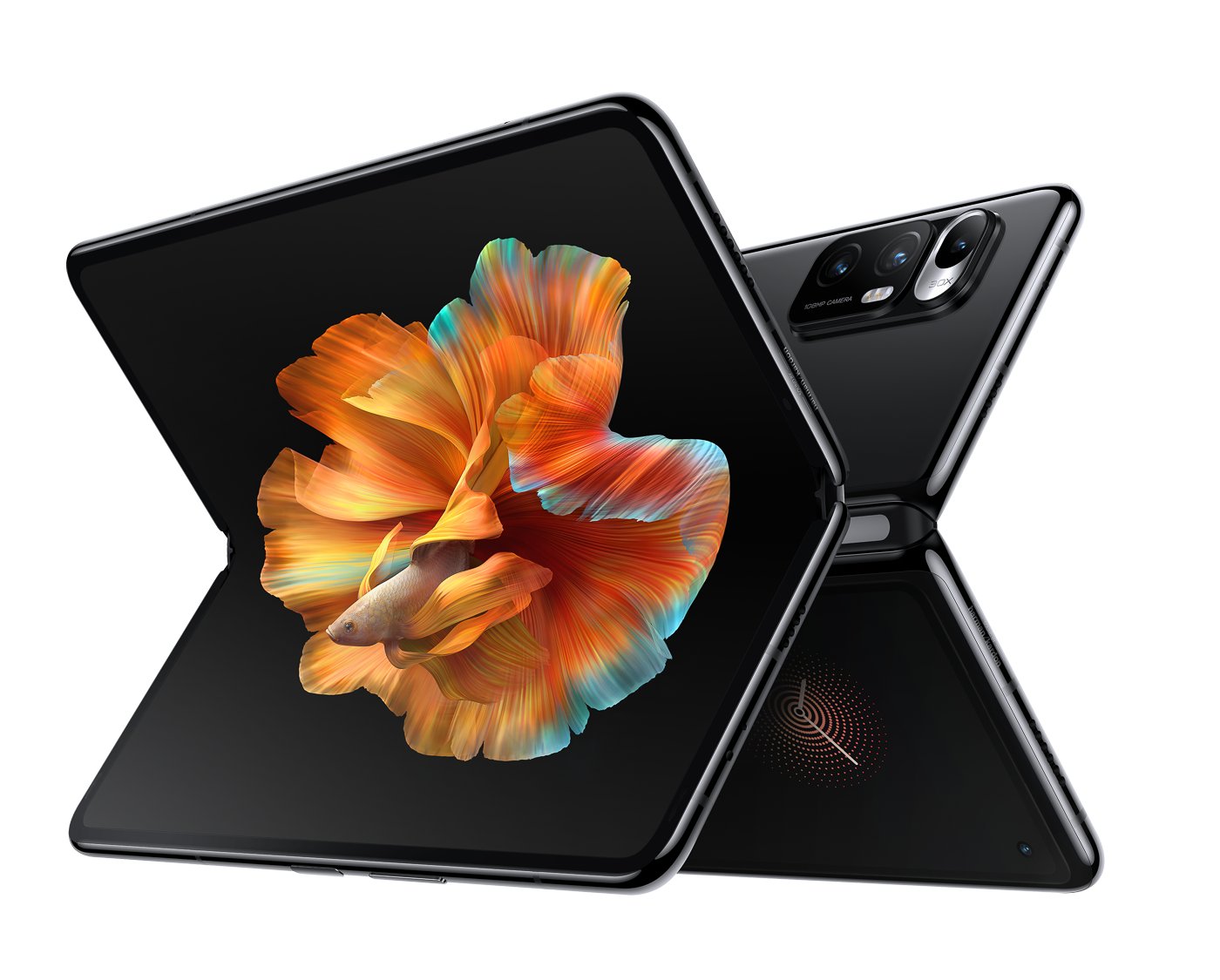
Attempts include through the Mi 11 Ultra, a premium smartphone that starts at 5,999 yuan ($928), and the 9,999 yuan Mi Mix Fold, its first foldable phone.
Read: Xiaomi Becomes The World's Largest Phone Manufacturer For The First Time






















































































































































































































































































