
The photo-sharing service Instagram is testing a new algorithm, a new strategy the company first announced on March 15th, 2016.
The algorithm is meant to change how its feed will appear to users. To an extent, Instagram is trying to replicate what Facebook has done long ago, in which it succeeded. But Instagram, even when owned by Facebook, is not at all like Facebook.
The update is for a good change (cause). By showing posts sorted by algorithm, instead of in a reverse chronological flow, Instagram is finding more ways to appeal everyone.
Before, the quality of photos and photos alone can bring that Insta-fame users admire. At the same time it would also make a post lost somewhere beneath those memes. Similar to Facebook, Instagram thinks that algorithms is the key to users' satisfaction. But the fact Instagram should know is that not everyone is liking it.
would either lead you to Insta-fame or cast you into the deep blue sea of Insta-nothingness. But, like Facebook, Instagram believes that robots hold the answer to our happiness.”
For a good cause, if users do accept the change, they will see the best photos and videos on their news feed, every time they open the app. This can be a good thing. Advertisers that rely on the app to reach their customers will also benefit. But to all others, it's an uproar.
From power users to fanatics and influencers, the new algorithm that is to show the best posts it sees fit for users and not anymore in reverse chrononical order, is a disaster. The reason is simple: when the algorithm kicks in, Instagram will control what to show and when to show, time won't have the advantage anymore.
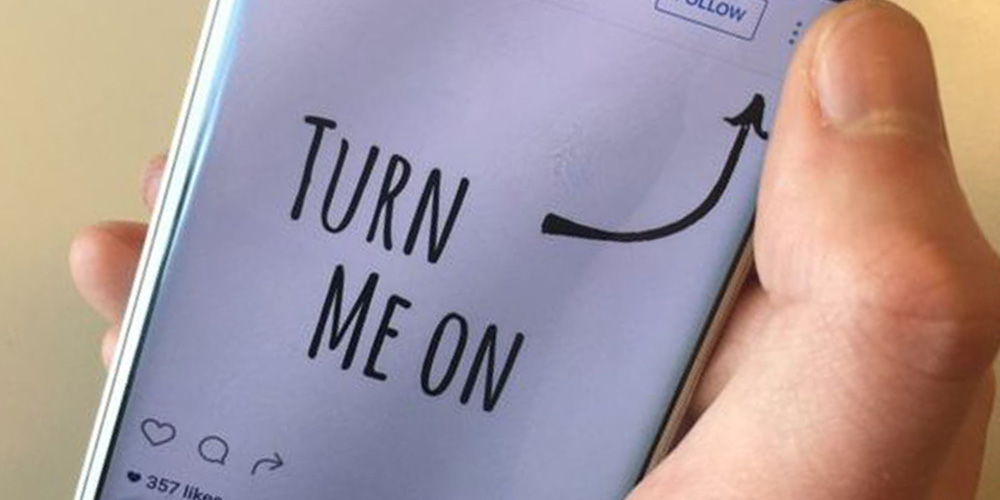
Over the weekend, Instagram started the test. And on March 28th, the new feature is rolled out to a "super small" number, they said. Furious as they can be, influencers at Instagram are asking their users to 'turn on notifications' so their updates aren’t lost to the new rule, and for their followers to better follow their posts. This freaks out many Instagram users to an extent that the company asks its users to "calm down."
Follow The Leader
On March 15th when Instagram first announced the algorithm, the social media said:
To improve your experience, your feed will soon be ordered to show the moments we believe you will care about the most.
The order of photos and videos in your feed will be based on the likelihood you’ll be interested in the content, your relationship with the person posting and the timeliness of the post. As we begin, we’re focusing on optimizing the order — all the posts will still be there, just in a different order.
If your favorite musician shares a video from last night’s concert, it will be waiting for you when you wake up, no matter how many accounts you follow or what time zone you live in. And when your best friend posts a photo of her new puppy, you won’t miss it.
We’re going to take time to get this right and listen to your feedback along the way. You’ll see this new experience in the coming months.
What Instagram is doing here is to appeal more to users, and of course, advertisers. But the new change isn't well accepted. Facebook succeeded in putting posts it find relevant and thinks them to be appealing because Facebook is not relying on real-time engagement.
Facebook is not like Twitter, which also followed the same strategy. And Facebook is also not Instagram.
Facebook originally encouraged brands and businesses to build followers for their respective Pages. The social giant also offered ad units intended to give them the chance to acquire even more fans. The idea here was the more followers, the more people would see their posts. Facebook has done this well and many advertisers are willing to pour in their money to make them more visible.
But that strategy wasn't working at its best all the time. As more advertisers advertise, and more users are getting active, the great strategy started to fade in its effectiveness. Little by little, the company changed its algorithm until people see just fractions of brands' Pages posts. It managed to go even further by making the number of posts limited to just 16 percent of fans. This strategy was to make its News Feed more appealing to users, and at the same time encouraging brands' to pay even more to sponsor their posts.
The strategy was then followed by Instagram. Here, Instagram is like kindly asking advertisers to spend more money in order to get exposure. But the outcome is somehow difficult to master. Even Facebook has had a hard time, let alone the photo-sharing social media.
Here, Instagram clarified. It claims the algorithm is not intended to make businesses pay. "We are doing this to show people more of the content they want to see, including content from businesses," said Instagram spokesperson. "Content from brands is more likely to appear higher in the feed for the people who find it most interesting."
In short, Instagram wants to treat brand content like any other content.
A spokesperson for Instagram said users to not panic. There is still a lot of testing to be done on the algorithm changes, they said. "This is not being implemented tomorrow - we still have weeks, or even months, of testing to go. Currently the test groups are very small. When we roll it out broadly, we will definitely let the community know."
However, the social media promises nothing about the way it works is changing… at least yet.
As a way around to seek a solution, the "best way" at the current time is by turning on notification for the accounts you follow. But this is not recommended, and isn't a good thing to do. The reason is because by following them, everytime that account posts something, you will be notified. To some this does not matter. But to most others, who actually wants to be notified each and every time an account posts something? There are lot of people on Instagram, and having notification on would be annoying.
Related: Instagram Familiarizes Itself With Facebook's Way Of Delivering Ads

















































































































































































































































































