The AI industry was quite dull and boring. It was as if the field was black and white, with little to no color.
But following the generative AI trend, which was kickstarted by OpenAI when it announced ChatGPT, the industry has changed.
Pretty much all tech companies, large and small, are trying to either use the OpenAI product or from its rivals, or develop their own.
And this time, OpenAI is exploring whether users should be allowed to create AI-generated pornography with its DALL·E image generator products.
OpenAI is thinking whether users should be allowed to so, but "responsibly."
The proposal was published as part of an OpenAI Model Spec document discussing how it develops its AI tools.
Read: OpenAI Introduces 'Model Spec,' Which Outlines The Rules Its AI Should Obey
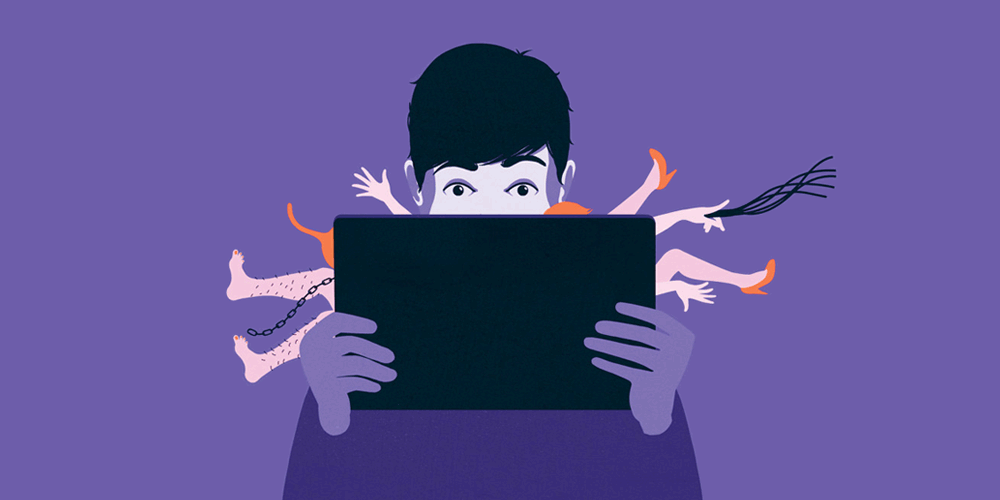
"We believe developers and users should have the flexibility to use our services as they see fit, so long as they comply with our usage policies. We're exploring whether we can responsibly provide the ability to generate NSFW content in age-appropriate contexts through the API and ChatGPT. We look forward to better understanding user and societal expectations of model behavior in this area."
That is because after all, when there is demand, supply will come.
Despite allowing users to generate porn may not be OpenAI's best intention, the company hopes that the proposal still falls under the "safe and beneficial" mission.
"We want to ensure that people have maximum control to the extent that it doesn’t violate the law or other people’s rights, but enabling deepfakes is out of the question, period,” said Joanne Jang, an employee at the San Francisco-based company who worked on the document.
Deepfakes have raised serious privacy concerns and outrage on behalf of its victims. AI-generated nudes have targeted the likes of celebrities, influencers, and underage girls, high schools and infuriating the rich and famous.
The spread of AI-generated pornography was underlined this year when X, formerly known as Twitter, was forced to temporarily ban searches for Taylor Swift content after the site was bombarded with explicit deepfake images of the singer.
"We want to ensure that people have maximum control to the extent that it doesn’t violate the law or other peoples’ rights."
"This doesn’t mean that we are trying now to create AI porn."
However, she conceded that whether the output was considered pornography "depends on your definition," adding: “These are the exact conversations we want to have."
Jang said there were "creative cases in which content involving sexuality or nudity is important to our users," but this would be explored in an "age-appropriate context."
Read: An AI Capable In Creating Fake Porn, Is Starring Gal Gadot And More: A Terrifying Implication
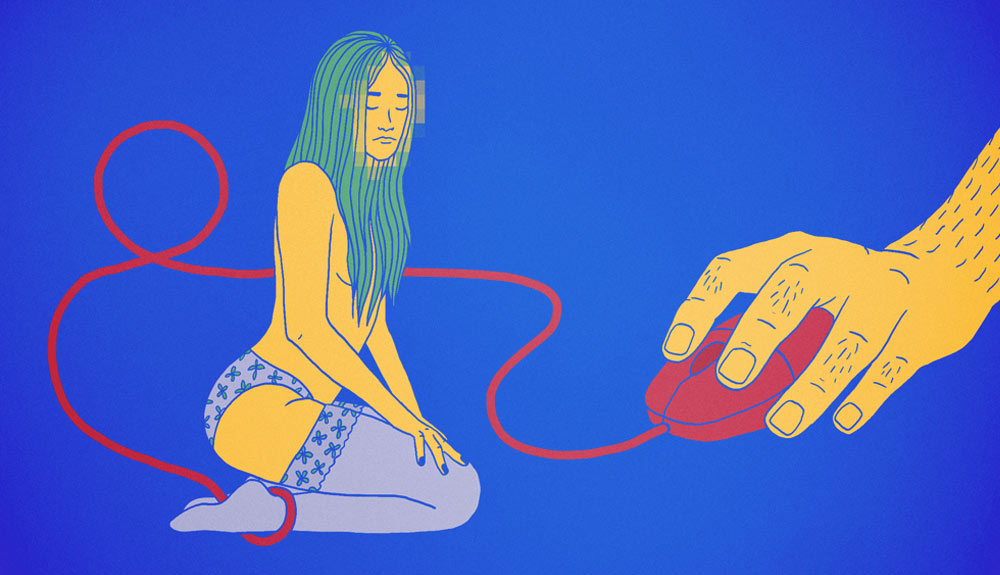
What began as AI that create nudes that don't exist, the technology has evolved and advanced extremely fast.
This time, the era is where users can create custom pornography.
OpenAI policy for those who wish to use its technology, is to that "sexually explicit or suggestive content” is prohibited.
Although there is an exception for scientific or educational material, "discussing sex and reproductive organs in a scientific or medical context” – such as “what happens when a penis goes into a vagina” – and giving responses within those parameters, is not allowed.
The company however, is not blocking what it considers "erotic content."
OpenAI’s "universal policies" require users of its products to "comply with applicable laws," including exploitation or harm of children, although it does not refer directly to pornographic content.
Mira Murati, OpenAI’s chief technology officer, said earlier that she was "not sure" if the company would allow its video-making tool, Sora, to create nudities.
"You can imagine that there are creative settings in which artists might want to have more control over that, and right now we are working with artists and creators from different fields to figure out exactly what’s useful, what level of flexibility should the tool provide," she said.
So here, OpenAI is literally trying to play with fire. But to make it work, the company is learning how to juggle with fire first.

















































































































































































































































































